Nivedita Mukerjee
Education consultancy for parents and schools
3-2-1 Tuesdays with Ms Niv
Issue #315, 14th July 2026
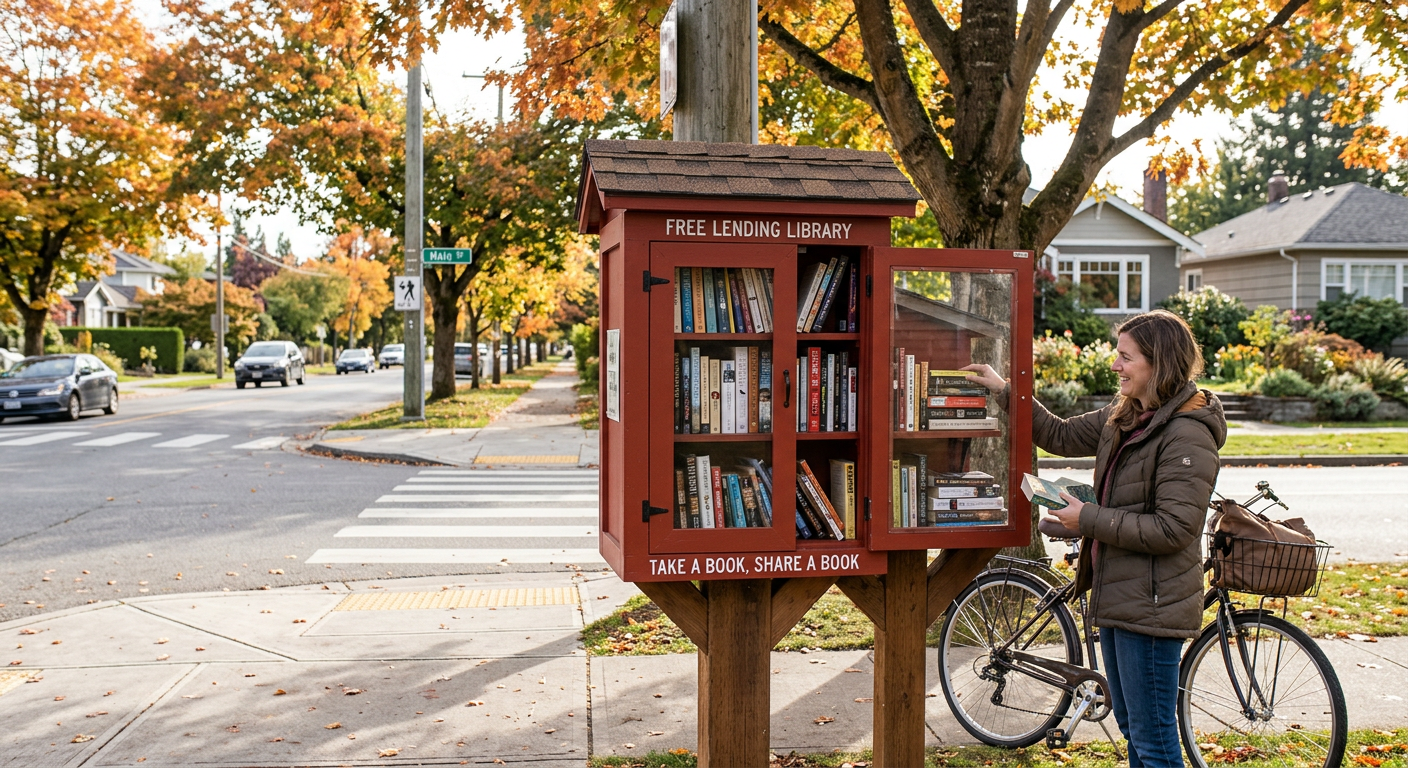
Book desert.
Some homes have book deserts. Some schools have book deserts. Some classes have book deserts. Some schools have book deserts.
And then we expect our children and students to be good readers, speakers, writers. Textbooks don’t do that job. They are a mandate of syllabus that is all.
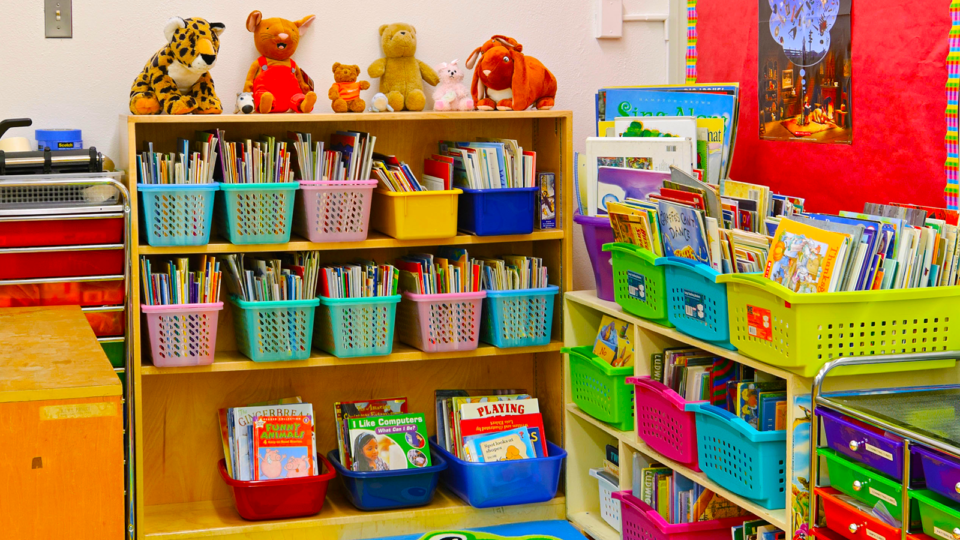
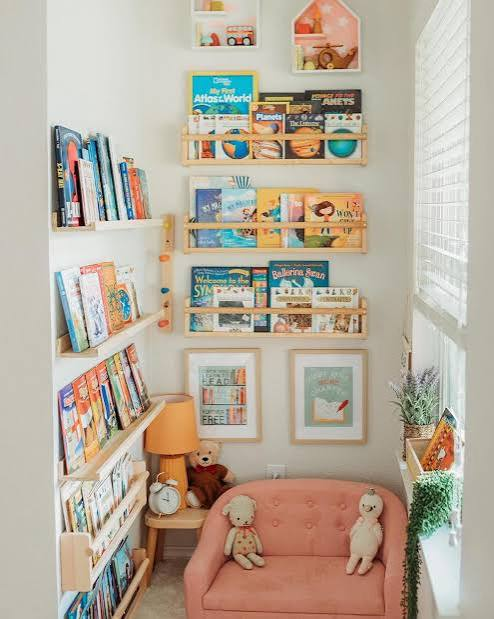
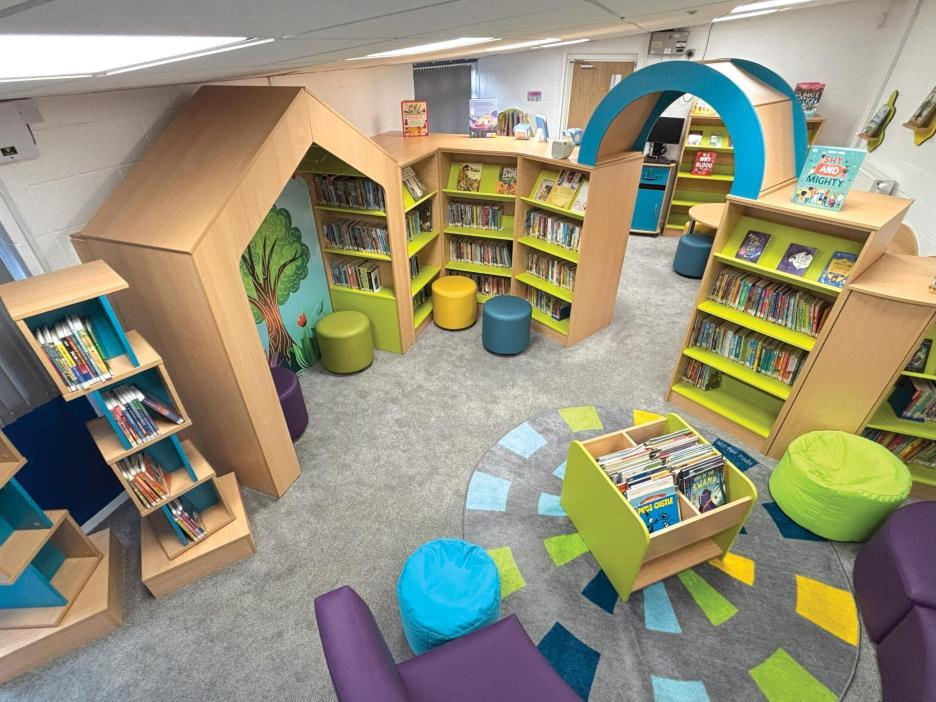
How can we increase access to reading outside the standard literary spaces? Look around you: does your child have access to books at their level? Are there books and reading material outside of text books in the classroom? Does the school have multiple libraries or a child-friendly library with daily access to books where students can pick books of their reading levels and interests? Does the child see their teachers and/or parents reading around them? Which is the book you read recently and who did you discuss that book with? What about your child? When did you last browse books with your child and pick one or some together? Have you yet instituted a book fair/book store money in your child’s pocket money? What is your child’s next gift going to be?
This is a free newsletter for parents, educators, and students. If you like my content, please subscribe by entering your email address here.
Three Images of the Week
Two Thoughts of the Week
“The more that you read, the more things you will know.
The more that you learn, the more places you’ll go.” Dr Seuss
“The only thing that you absolutely have to know,
is the location of the library.” Albert Einstein
One Video of the Week
A Street Librarian’s Quest to Bring Books to Everyone – Storybook Maze
As a self-proclaimed radical street librarian, Storybook Maze makes books appear where they’re scarce. Through initiatives like free, public book vending machines and street corner story times, she eliminates book deserts — or areas with limited access to literature — by making books accessible for children in underserved communities. (And in case you’re wondering, she shares how you can become a radical street librarian, too.)
Reading with Ms Meenu: Tip of the Week
The History of Libraries
Libraries have been an important part of human civilization for thousands of years. They were created to collect, protect, and share knowledge. From ancient clay tablets to modern digital databases, libraries have always helped people learn, discover, and connect with ideas.
The earliest libraries began in ancient Mesopotamia, around 5,000 years ago. People wrote records on clay tablets using a writing system called cuneiform. These tablets contained information about trade, laws, religion, and daily life. One of the most famous ancient libraries was the Library of Ashurbanipal in Nineveh, which held thousands of clay tablets and is considered one of the first organized collections of written knowledge.
Another famous library from the ancient world was the Library of Alexandria in Egypt. It was founded around the 3rd century BCE and became one of the greatest centers of learning in history. Scholars from many places came there to study subjects such as science, mathematics, literature, medicine, and philosophy. Although the library was eventually destroyed, it remains a powerful symbol of knowledge and learning.
During the Middle Ages, many libraries were found in monasteries. Monks carefully copied books by hand because printing had not yet been invented. These books were often religious texts, but they also included works on history, science, and literature. Monastic libraries helped preserve many important writings from the ancient world.
A major change happened in the 15th century when Johannes Gutenberg developed the printing press. Books became easier and cheaper to produce, which allowed more people to read and learn. As literacy grew, libraries became more common in universities, towns, and cities.
In the 18th and 19th centuries, public libraries became more popular. These libraries were created so that ordinary people, not just wealthy or educated groups, could access books and information. Public libraries helped support education, democracy, and community development. They became places where people could read, study, and improve their lives.
Today, libraries are much more than places that store books. Modern libraries provide access to computers, the internet, digital books, research databases, community programs, children’s activities, and quiet study spaces. Many libraries also support newcomers, students, job seekers, and families.
The history of libraries shows that they have always played an important role in society. They protect knowledge from the past, support learning in the present, and help people prepare for the future. Even as technology changes, libraries continue to be valuable spaces for education, discovery, and community connection.
Happy Reading!
For more information please visit: placealibrary.ca
Meenu Gera
Consulting Home and School Library Reading Guide
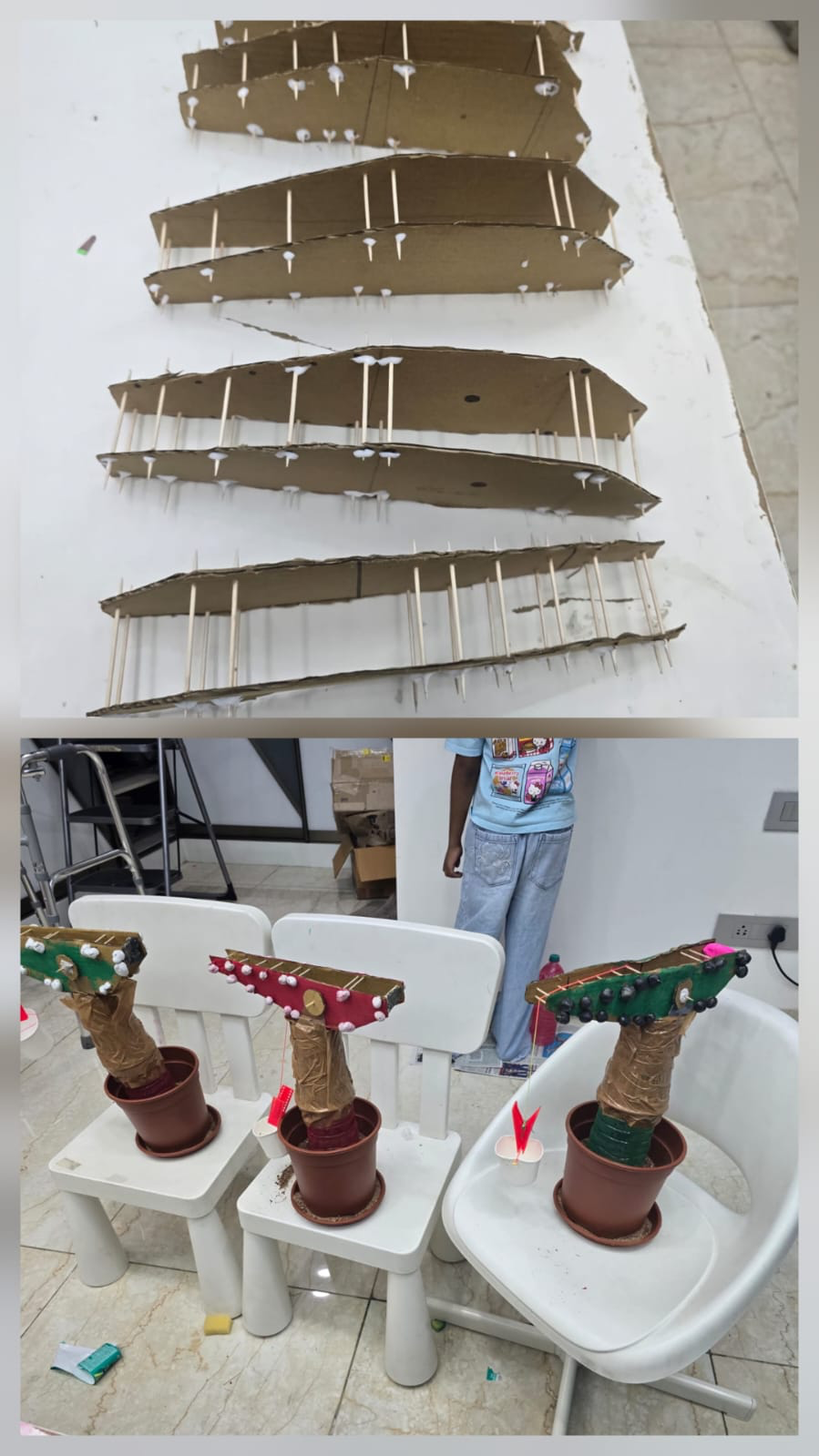
Showcase: Thrive STEAM project, Hyderabad
Pooja Khatter, facilitator

The children enjoyed making a Tower Crane model over two days. On the first day, they observed a picture of a tower crane and took part in a discussion. They answered questions such as: Have you seen this machine before? Where do we find tower cranes? What do they do? Why don’t workers carry heavy bricks to the top of a building by hand?
The children shared their own experiences. Some said they had seen tower cranes near IKEA, while Havishka shared that she had seen one near her house. They explained that tower cranes are used to lift heavy objects. When asked why workers do not carry heavy bricks by hand, the children responded that workers would become tired, climbing many floors with a heavy load would be difficult, and there was a chance they could fall.
The children then learned that a tower crane is a tall machine used at construction sites to lift and move heavy materials from one place to another, saving both time and energy. They were introduced to the different parts of the crane, including the base, tower, jib, and load, and learned about the purpose of each part. They then measured the cardboard pieces and completed the first part of making the jib.
On the second day, the children assembled their tower crane models using a pot and saucer for the base, a bottle filled with water for the tower, and attached the jib. Before testing the model, they discussed questions such as, Why is the base filled with sand or water? and Which part of the crane is the strongest? The children shared that the base is filled so that the tower would not fall and would hold the crane tightly. They also identified the base and the tower as the strongest parts of the crane.
By the end of the activity, the children understood that tower cranes are important machines used in construction to lift heavy materials safely. Through this hands-on experience, they explored the concepts of balance, stability, rotation, and load.
Mayra – 6 years
Tara – 6 years 11 months
Yuvaan, Maira, Tashi, and Neev – 7 years 11 months
Havishka – 8 years 3 months
Dear reader,
My work in education includes designing learning ecosystems where students thrive, teachers grow, and schools build lasting cultures of excellence through innovative curriculum, evidence-based practice, and meaningful educational leadership.
Professional development with Ms Niv : Click below to find the teacher and student workshops and trainings I currently offer:
https://docs.google.com/presentation/d/1ypWO8KpVh56vhYqAMH4XoytLRKMXvwpCAfv3l3fryJQ/edit?usp=sharing
3-2-1 Tuesdays with Ms. Niv is a newsletter you can subscribe to and enjoy your learning journey with me.