Nivedita Mukerjee
Education consultancy for parents and schools
3-2-1 Tuesdays with Ms. Niv

Issue #304, 28th April 2026
Summer vacation for me growing up in the 70s looked something like this. Cycling to the swimming pool, swimming some, springboard diving, and playing water polo more, late mornings in the children’s library, afternoons inside home in a darkened and cooled room reading story books and memorising times tables, learning to read and write Bengali from grand parents, then long evenings playing in the cool sand dunes behind the university teachers’ residences where we lived in the small city of Jaipur in the big state of Rajasthan, western India. Nights were for hanging out with neighbours on the cool terrace of our homes, drinking roohafza, orange squash, eating kulfi icecream from the hawker passing by, role-playing with children of all ages and making shadow puppets with hands and torches… as the night grew colder, even in peak summers, drifting into sleep, gazing at stars in the cots laid out with mosquito nets on bamboo sticks… nostalgia strikes, remembering the summer vacations of my school years. Screen? We did not even have television back then! Our parents had it easy, I think 🙂
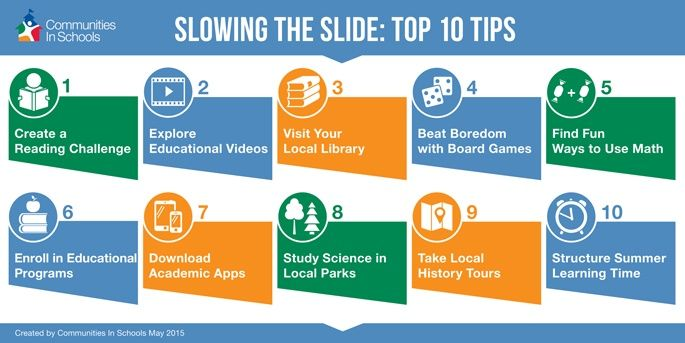
How are you planning your grand/child’s summer vacation? Do you have a book list? Some board games? Some cool summer treats? Some number puzzles to solve? Some stargazing and finding characters in the clouds?
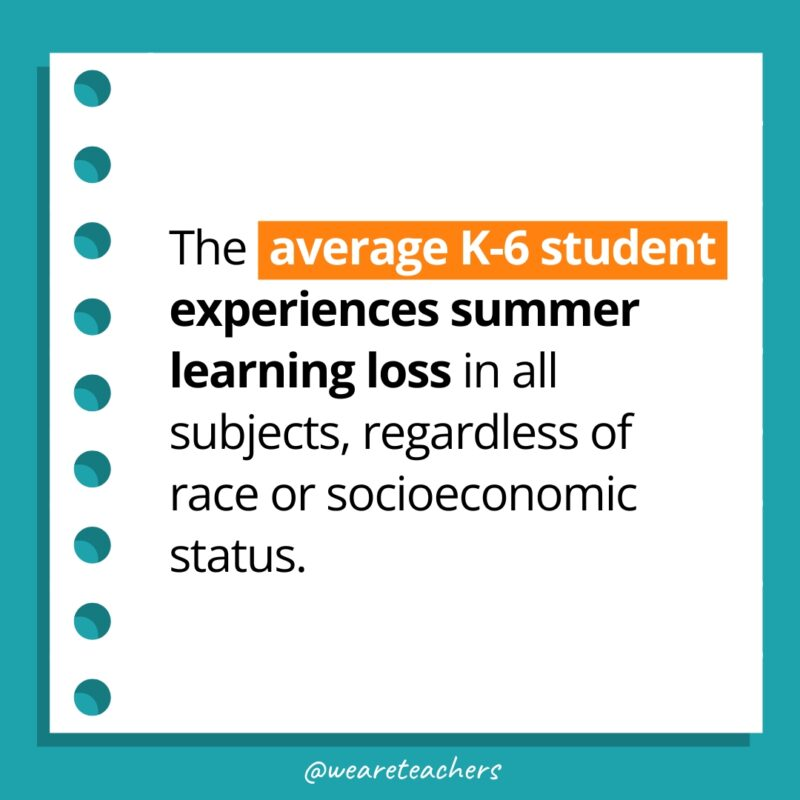
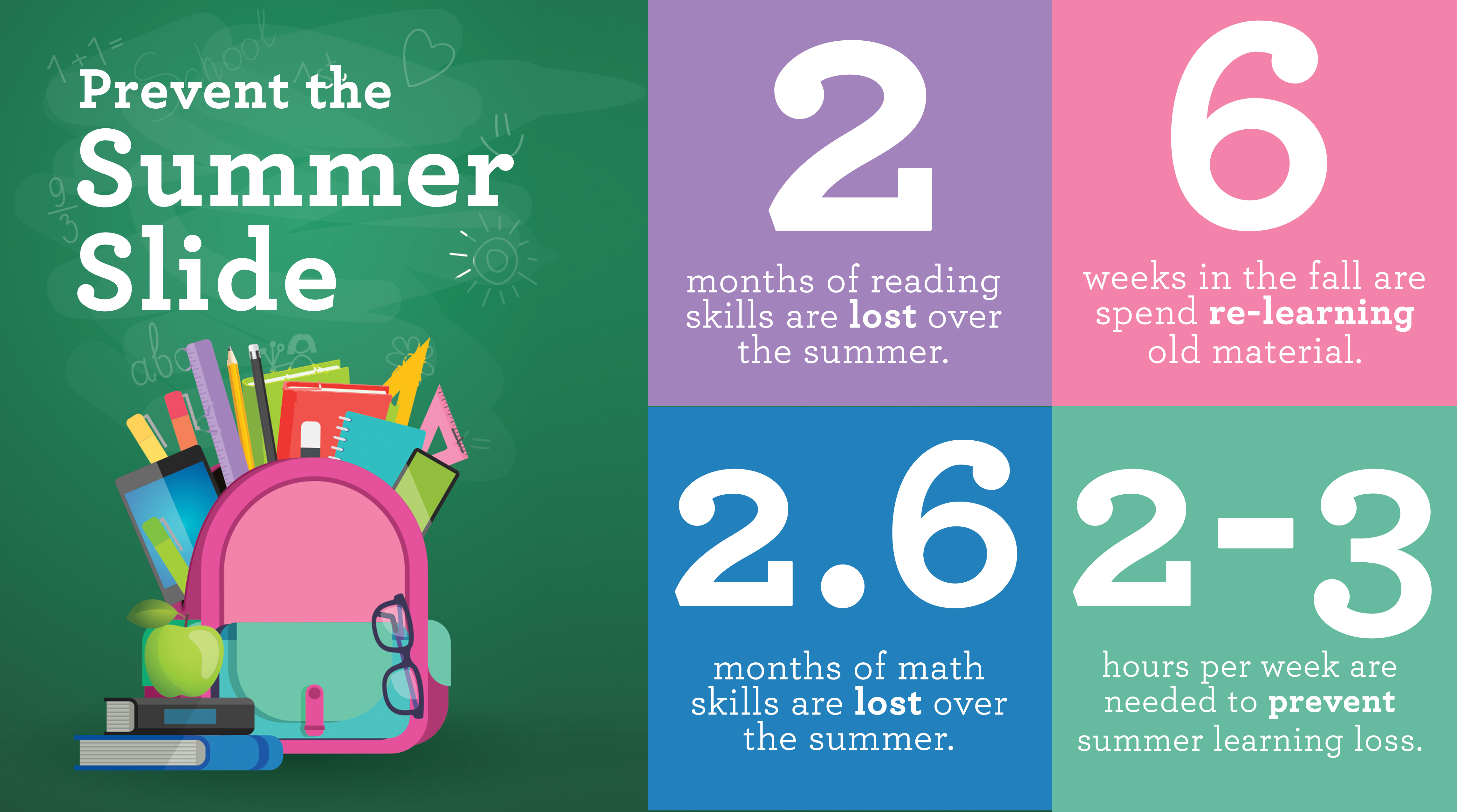
How are you thinking of keeping them from summer slide in learning and keeping yourselves from being engulfed by social media and/or video games/binge-watching thrillers…
This is a free newsletter for parents, educators, and students. If you like my content, please subscribe by entering your email address here.
Three Images of the Week
Two Thoughts of the Week
“Rest is not idleness, and to lie sometimes on the grass under trees on a summer’s day, listening to the murmur of the water, or watching the clouds float across the sky, is by no means a waste of time.”
― John Lubbock, The Use Of Life
“Come with me,’ Mom says.
To the library.
Books and summertime
go together.”
― Lisa Schroeder, I Heart You, You Haunt Me
One Video of the Week
Do you want to prevent your child from experiencing the summer slide? Learn the secrets to successful prevention in this informative video! Find out what the summer slide is, why it happens, and how to effectively fight against it – all in under 5 minutes! Discover simple tips and tricks to ensure your child isn’t disadvantaged when they return to school after their summer break.
Reading with Ms. Meenu: Tip of the week
Summer Reading: How can we replace technology with summer reading let’s be realistic?
Summer reading is the most meaningful gift you can give to your child. But in today’s day and age screens are part of everyday life, they do offer entertainment, convenience, and a quick connection. Realistically, we do not replace technology completely. Technology often wins as it is immediate and entertaining, so reading must feel pleasurable rather than pressure. The goal is to reduce screen time and make reading a natural part of summer, not by forcing children to give up devices overnight.
Strategy is to set clear boundaries around screens instead of banning them.A practical approach is to create small daily routines for 15-20 minutes each morning, before bed or even during the day. Kids like to read books about space, sports, animals cooking and graphic novels. We should not force heavy text reading until unless they are ready for it.Reading should not be presented as a chore or a replacement for fun, children may resist it. We should make it more inviting, accessible and connected to their personal interests. It is important to remember that reading does not look the same for every child. Some may enjoy picture books, while others may prefer non-fiction.
Reading should feel rewarding, relaxing and pleasurable. Let children choose their own books by allowing them a variety of texts. How about starting from a newspaper at home. It should be a leisure pleasure rather than like extra school work. Be a role model for it. Try to read along, have discussions around the topic. By doing this process everyday, this would lead to a child’s everyday reading routine, create imagination and enjoyment for them.
Summer reading is not about rejecting modern life. It is about protecting space for imagination, curiosity and meaningful learning in a season that feels both joyful and restorative. When books provide us warmth, choice and intention they just become more than an academic tool. They just become our companions forever.
Happy Reading!
– Meenu Gera Consulting home and school librarian, a reading guide placealibrary.ca
I Think, I Wonder, I Ask
–Dr. Shreelakshmi Subbaswami, Academic Director, Vijaya School, Hassan, Karnataka
From Workshops to Classrooms: Not Everything at Once
Professional development workshops often leave us with full notebooks and fuller minds. As leaders, we return from workshops both energized and slightly overwhelmed, holding ideas that are inspiring, but not all immediately usable in our context. The real work begins after the workshop ends.
The question is not what did we learn, but what will we implement and how. This requires deliberate filtering. Not every idea needs to be carried forward, some need to wait, some need reshaping, and a few are ready to enter our classrooms right away. Our role is to distil, to translate, and to make the learning accessible for our teams.
One approach that has helped is starting with the simple, the low-hanging ideas where resistance is minimal and adoption feels natural. These early successes build confidence and create a sense of movement. From there, the 30–60–90 framework helps, in the first 30 days, introduce and pilot; by 60 days, refine and deepen practice; by 90 days, embed and reflect on impact. It allows change to settle rather than rush.
In this process, there is a shift in leadership as well- moving away from acting on instinct alone to being intentional. Not reacting to every new idea, but responding with clarity, asking what fits, for whom, and when. Implementation of new ideas is rarely easy. But when approached thoughtfully, even small shifts can go a long way.
Three questions for you…
- Which ideas from recent learning truly align with our context?
- What is one low-resistance change we can begin with?
- What support do teachers need to move from awareness to practice?
From the Principal’s Desk
– Suchismita Ray Gupta, Head of School, Capstone High, Hoskote, Karnataka
A Mother’s Checklist Before Letting Go
May is just around the corner, and for many parents, the dust has finally settled on college admission decisions. Whether your child is staying in India or heading overseas, we’ve reached that bittersweet milestone- it’s time for them to leave the nest.
As a mother of a high schooler, this has been a deeply emotional season for me. Beyond the pride of their academic success, I have found myself in a quiet state of reflection—and, if I’m honest, a bit of a panic. I started wondering: Have I actually given my child the tools to survive on their own?
Culturally, we tend to make a massive fuss over academic readiness. We celebrate the high marks and the prestigious university logos. But in our effort to help them succeed, we often fall into the trap of “helicopter parenting.” We manage their schedules, monitor their diets, and handle the laundry. We’ve created a beautiful, well-oiled machine of a household where chores seemingly happen by magic.
The realization hit me hard – by shielding them from the “mundane” tasks of life, we might be sending them into the world completely unequipped. Once I processed that initial wave of mom-guilt, I decided to focus on five non-negotiable life skills. Here is what I believe every student needs to know—and how we can start creating “mini-opportunities” for them to practice before move-in day.
1. Situational Awareness
College dorms are a melting pot of different cultures, value systems, and social cues. Situational awareness is the ability to perceive and anticipate risks in a new environment. It’s about teaching our kids to keep their “head on a swivel”—to make informed decisions that keep them safe without living in fear
Mini Opportunity to practice : Next time you’re out in a crowded space, ask them what they notice about the environment or the exits. Encourage them to trust their gut.
2. Home Management
Basic housekeeping is a survival skill. Before they leave, they need to know how to scramble an egg, sauté a few vegetables, and cook at least one “comfort meal” for when the dining hall food gets boring. They also need to know the physics of laundry—specifically, how not to turn their favorite white t-shirt pink or shrink a wool sweater to half its size
Mini Opportunity to practice : Hand over the “Home Manager” badge for one weekend. Let them handle the grocery list, the cooking, and the cleaning.
3. Financial Literacy
In college, money can disappear into a black hole of late-night pizzas and weekend outings. Even with a meal plan, students need to understand the difference between “needs” and “wants.” They should learn to look for student discounts and manage a weekly allowance.
Mini opportunity to practice : Sit down and build a mock budget together. Use “buckets” for different expenses so they see exactly where the money goes before it’s gone.
4. Mental Health
The first year of college is a sensory and emotional overload. Homesickness and academic pressure are real, and sometimes the climate itself (especially for those moving abroad) can take a toll. We need to have open conversations that normalize these feelings. They should know how to spot the signs of burnout and feel empowered to use the campus counseling services
Mini opportunity to practice : Share a story of a time you felt overwhelmed and how you asked for help. Make it okay to not be “okay” all the time.
5. Interpersonal Boundaries
Living in a shared space is an exercise in diplomacy. Setting boundaries—like a roommate agreement on noise levels, guests, and cleaning—is essential for peace. Most importantly, teach them that “No” is a superpower. Being able to decline a social invitation to prioritize sleep or a deadline is the ultimate sign of maturity.
Mini opportunity to practice : Role-play a difficult conversation where they have to say “no” or address a boundary being crossed. It feels silly, but it builds muscle memory for the real thing.
In conclusion, when a student steps out of our controlled home environment into a world full of variables, these five skills are their true armor. They might not be on the final exam, but they are exactly what will help our children turn a daunting transition into a successful, independent life.
Showcase: Thrive Beyond School – A unique STEAM education project for very young learners.
– Pooja Khatter, facilitator, Thrive, Hyderabad
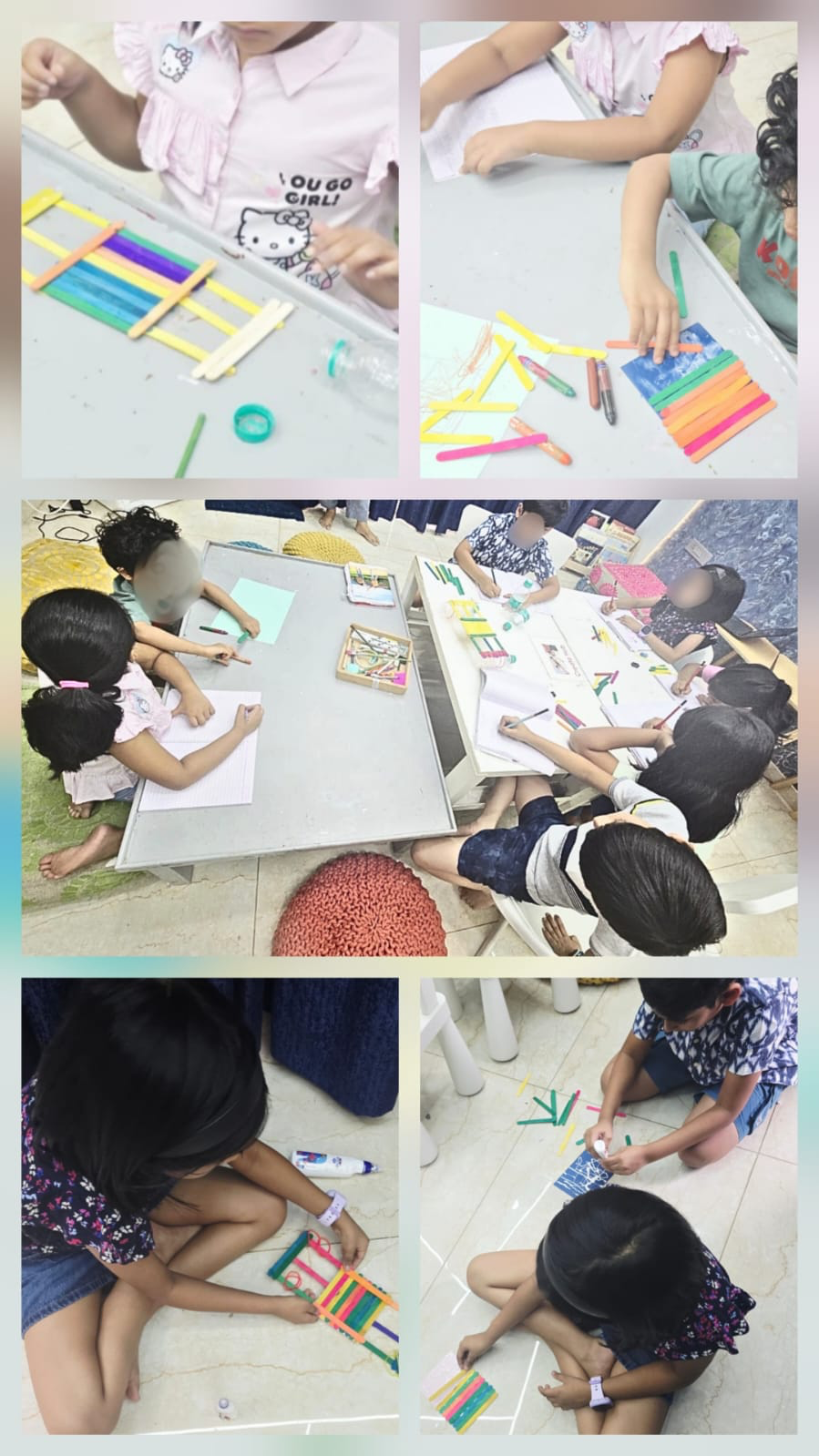
Bottle Raft Experiment. Before beginning the bottle raft activity, the teacher initiated a discussion by asking students what a raft is. Students responded that a raft floats on water like a boat and is lighter in nature. When prompted further, they explained that it floats because it is lighter than water.
Students showed great enthusiasm and engagement while building their rafts using popsicle sticks and rubber bands. They worked thoughtfully on their designs and actively participated in the hands-on learning experience.
Following the activity, students documented their process in their notebooks by drawing and writing the steps they followed. The activity will continue the next day, when students will test their rafts and explore the science behind floating and sinking. Rudra & Krisha – 4 years
Maira – 6 years
Tara – 6.9 years
Mayra, Tashi, Neev & Yuvaan – 7.9 years
Samyuktha – 8 years
Dear reader,
I work with the school leadership team as an advisor and collaborate with teachers as a pedagogical trainer. I also help parents as a parenting counselor and regularly engage one-on-one with students as a personal guide and mentor. This weekly newsletter shares what I read, learn, and experience.
Professional development with Ms Niv : Click below to find the teacher and student workshops and trainings I currently offer:
https://docs.google.com/presentation/d/1ypWO8KpVh56vhYqAMH4XoytLRKMXvwpCAfv3l3fryJQ/edit?usp=sharing
3-2-1 Tuesdays with Ms. Niv is a newsletter you can subscribe to and enjoy your learning journey with me.

