Nivedita Mukerjee
Education consultancy for parents and schools
3-2-1 Tuesdays with Ms. Niv
Issue #305, 5th May 2026
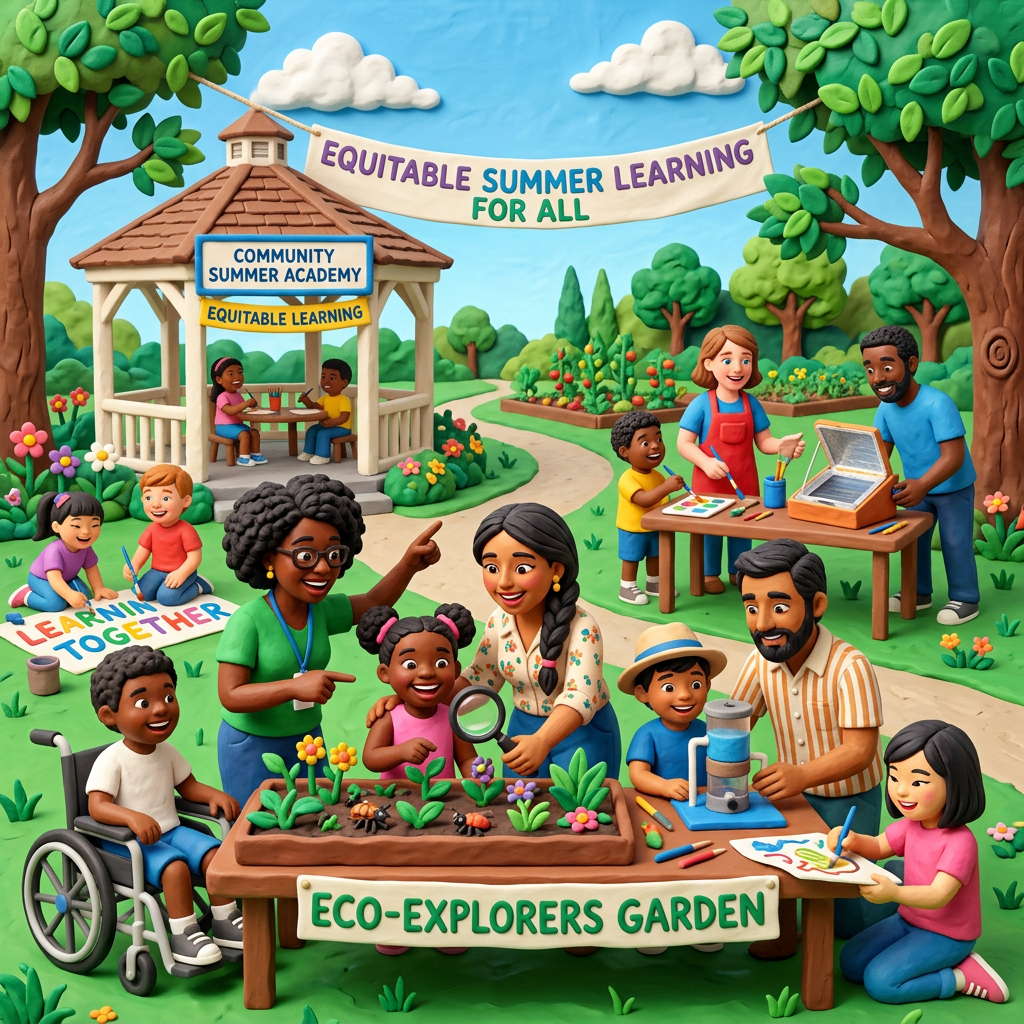
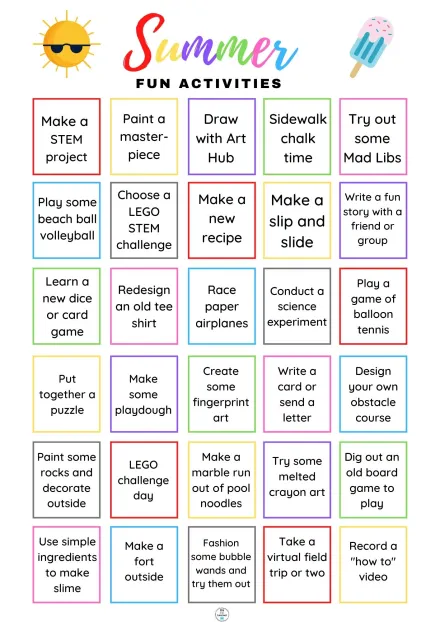
How can we create a summer that is equitable for education for children who are underserved? How can we have a summer program that supports the children who are taking time to catch up or cope with the regular school curriculum? How can we enable teachers and peers such that they are coaches and support groups for the students who need it the most? What can the parents do to spend time that supports and enhances their children’s knowledge and understanding of the world around them? You will find some tips and some thoughts to ponder upon in this news letter. Have a great vacation all of you!
This is a free newsletter for parents, educators, and students. If you like my content, please subscribe by entering your email address here.
Three Images of the Week

Two Thoughts of the Week
“In the summer, every moment is a chance to create everlasting memories with friends and family.”
“Summer: When the biggest decision of the day is whether to jump in the pool or eat ice cream.”
One Video of the Week
In the US, most kids have a very long summer break, during which they forget an awful lot of what they learned during the school year. This “summer slump” affects kids from low-income neighborhoods most, setting them back almost three months. TED Fellow Karim Abouelnaga has a plan to reverse this learning loss. Learn how he’s helping kids improve their chances for a brighter future.
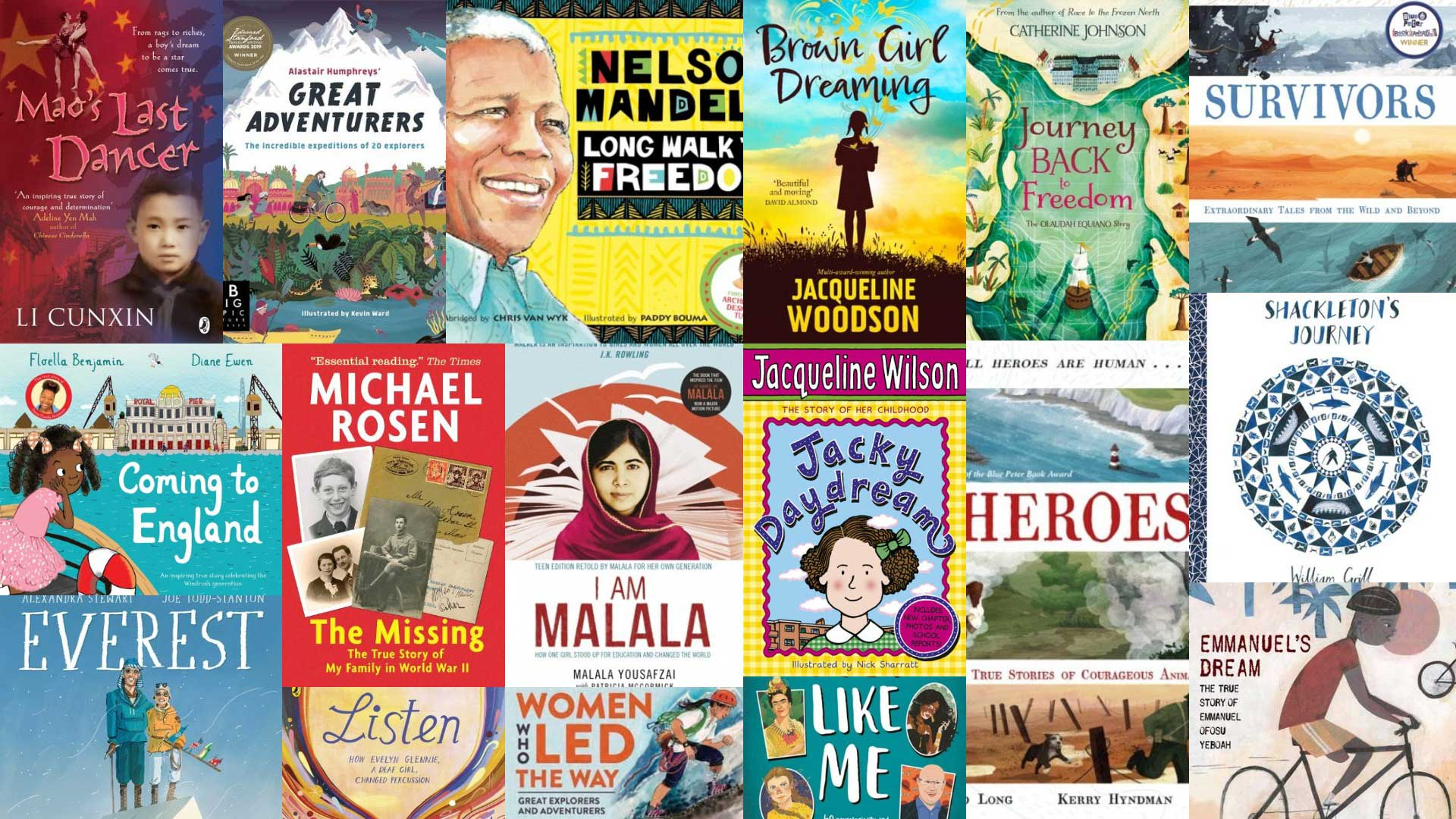
Reading with Ms Meenu: Tip of the week
Summer Reading: A Celebration of Indian Authors
Summer is a beautiful time to slow down, pause, and return to the joy of reading. With longer days, quieter afternoons, and a little more space to breathe, books become wonderful companions for children and families. This summer, one meaningful way to build a rich reading culture is by reading text by Indian authors and the many stories they bring to life.
Indian children’s literature is full of colour, warmth, imagination, humour, and wisdom. It carries the sounds of busy streets, the comfort of grandparents’ stories, the beauty of festivals, the mystery of forests, the rhythm of everyday family life, and the courage of young children discovering the world around them. These stories help children see familiar experiences on the page while also opening windows into different places, languages, traditions, and ways of living.
Summer reading should not feel like homework. It should feel like discovery. A child can read under a tree, beside a window, during travel, before bedtime, or with a grandparent. Families can create small reading rituals such as reading one picture book after lunch, visiting a bookstore or library, keeping a summer reading basket, or sharing one favourite line from a book each day.
Most importantly, summer reading should celebrate joy. It should invite children to laugh, wonder, ask questions, make connections, and dream. By placing Indian authors at the heart of summer reading, we give children stories that are rooted, diverse, and alive with meaning.
This summer, let us encourage children to pick up a book by an Indian author, turn the pages slowly, notice the details, talk about the story, and carry its warmth with them. Every book can become a small journey, and every story can help a child feel more connected to their world.
Happy Reading!
– Meenu Gera Consulting home and school librarian, a reading guide placealibrary.ca
I Think, I Wonder, I Ask
–Dr. Shreelakshmi Subbaswami, Academic Director, Vijaya School, Hassan, Karnataka
From Surroundings to Syllabus
Yesterday, after weeks of relentless heat, the rain finally arrived. It carried me back to my school days. I remembered running out to play, making paper boats, wearing oversized raincoats, and holding onto umbrellas that danced with the wind. After the rain, there was a certain joy in shaking a tree branch just to feel the droplets fall again. And then, of course, the hot snacks after returning home, made with ingredients that somehow belonged especially to the rainy season. In our village, the first rain was a marker of time; people welcomed the rain with small rituals and gestures of gratitude to the rain gods.
Now, as I reflect on this as an educator, I cannot help but see this as a rich, interdisciplinary unit. The rain is not just precipitation; it is science, culture, memory, food, community, and emotion seamlessly woven together. Yet, in many classrooms, seasons remain confined to textbook chapters. Winter is illustrated with snow that many of our children may never experience. Festivals are tucked into isolated units, disconnected from lived realities.
Our environment offers us an authentic and ever-evolving context—seasons, festivals, elections, astronomical events, local markets, community practices, migrations, conflicts, changing occupations, news events, technological shifts and many more… These are not interruptions to the curriculum; they are the curriculum. What we need is intentional planning, sequencing concepts in ways that feel natural, meaningful, and connected to life as it unfolds around us.
Three questions for you…
- What anchors guide your curriculum planning?
- How can you bring the living environment into everyday learning?
- What experiences from students’ lives are currently missing in your curriculum?
From the Principal’s Desk
– Suchismita Ray Gupta, Head of School, Capstone High, Hoskote, Karnataka
Why Great Teachers are Great Storytellers
My earliest memory is of my mother’s voice, weaving tales from Thakumar Jhuli—a beloved collection of folklore that served as my first introduction to morality and life lessons. Even when she was exhausted, jumbling characters like Shuku and Dhukhu in her sleepiness, I would eagerly correct her. I knew the stories by heart, yet the ritual was sacred.
This is the fundamental human inclination- long before we could read or write, we drew on cave walls and spoke around fires. We are, at our core, a storytelling species. For an educator, tapping into this primal instinct isn’t just a “bonus” skill—it is the key to transforming a classroom from a room of passive listeners into a captive audience.
The question is – how do we bridge the gap between a dry syllabus and a riveting experience? I recently found inspiration in an unlikely place: Pixar in a Box on Khan Academy. Hearing Disney Pixar’s storyboard artists discuss their creative process was a revelation.As teachers, our greatest challenge is capturing and holding attention. The solution? Stop seeing yourself as a lecturer and start seeing yourself as a storyteller. If a story is simply a series of sequential events with a beginning, middle, and end, then every lesson plan is a potential plot.
A Five-Step Framework for the Story-Driven Classroom
To turn your curriculum into a page-turner, consider this narrative arc for your next unit:
Step 1: The Hook : Every great story or a film starts with a “disruption.” Start your lesson with something powerful that shatters the status quo. Force your students to be curious. Don’t just announce the topic, create a mystery that they feel compelled to solve.
Step 2: Characters and Setting : Data and formulas don’t live in a vacuum. Introduce the “characters”—the scientists, mathematicians, and rebels behind the theories. Give them a setting: What was the world like when they made their discovery? What were the stakes? By humanizing the pioneers, you make the subject matter relatable.
Step 3: The Rising Action : Treat your 45-minute sessions as individual chapters in a novel. Don’t give away the ending in the first five minutes. Develop the “plot” gradually, building complexity and tension as the week progresses.
Step 4:The Power of the “What If?”: A compelling story doesn’t just provide answers; it instigates imagination. We can unlock critical thinking by introducing “Alternative Histories” or hypothetical crises:
- What if the Nazi party had won World War II?
- What if the Earth’s gravitational pull suddenly ceased?
- What if the world runs out of potable water by 2050?
Step 5 : The Grand Finale: Every story needs a resolution. Use your final lessons for reflection—the “Aha!” moments. This is where students cement their understanding into long-term memory, finding the meaning behind the journey they’ve just taken.
At the end of the day, storytelling is about connection. When we share an engaging experience or a personal anecdote, we break the ice and form an authentic bond with our students.Compelling stories unlock the deepest human emotions. By reimagining yourself as a storyteller and your students as an audience, you move beyond the “pedestrian” delivery of facts. You aren’t just teaching a class; you are inviting your students into a world they will never forget.
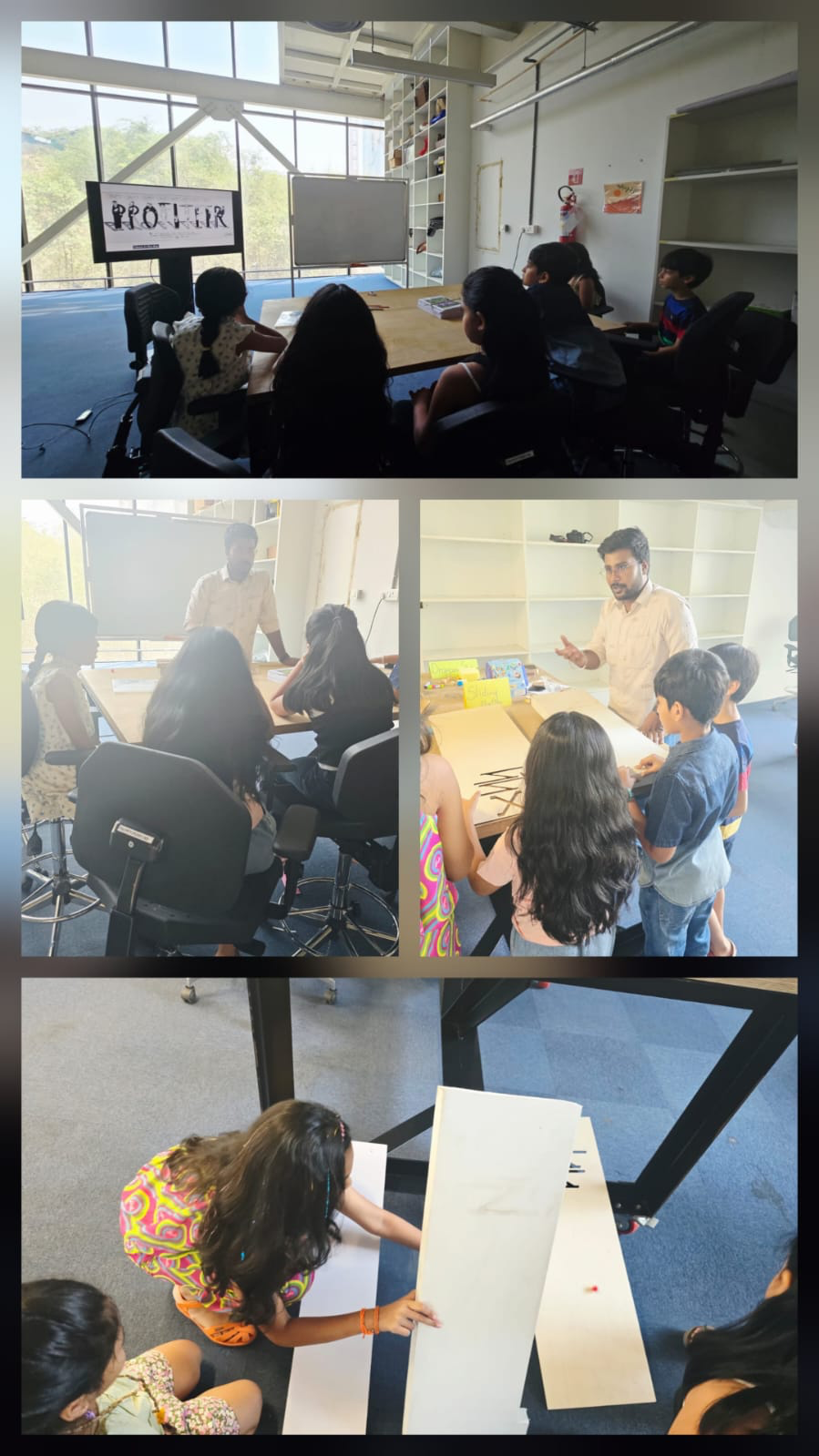
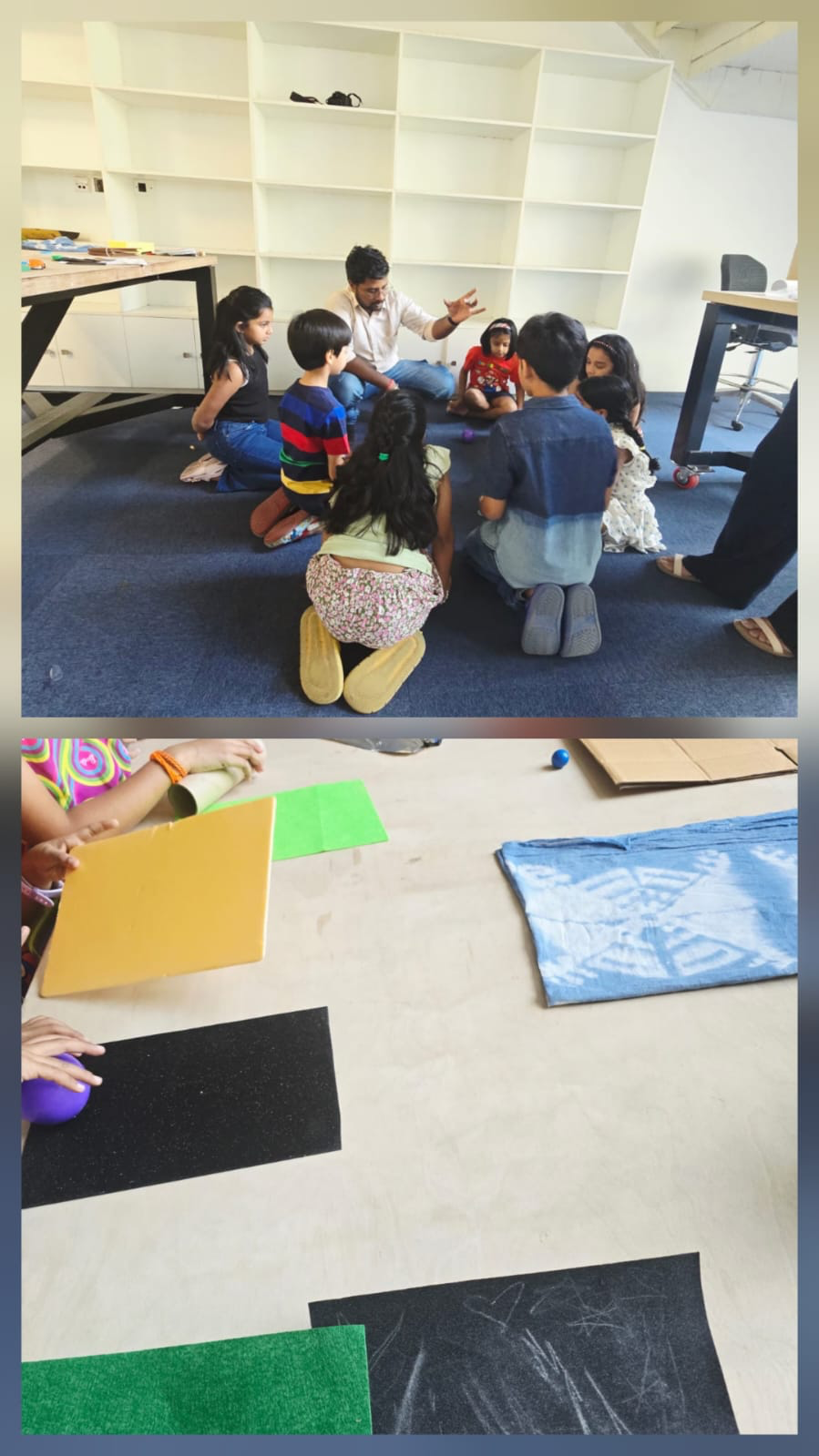
Showcase: Thrive Beyond School – A unique STEAM education project for very young learners.
– Pooja Khatter, facilitator, Thrive, Hyderabad
Dear reader,
I work with the school leadership team as an advisor and collaborate with teachers as a pedagogical trainer. I also help parents as a parenting counselor and regularly engage one-on-one with students as a personal guide and mentor. This weekly newsletter shares what I read, learn, and experience.
Professional development with Ms Niv : Click below to find the teacher and student workshops and trainings I currently offer:
https://docs.google.com/presentation/d/1ypWO8KpVh56vhYqAMH4XoytLRKMXvwpCAfv3l3fryJQ/edit?usp=sharing
3-2-1 Tuesdays with Ms. Niv is a newsletter you can subscribe to and enjoy your learning journey with me.

