Nivedita Mukerjee
Education consultancy for parents and schools
3-2-1 Tuesdays with Ms Niv
Issue #314, 7th July 2026
We are an anxious lot. Parents and educators. Scary stories are thus easier to sell to us adults who are the primary and secondary caregivers, nurturers, and teachers of children entrusted to us or born to us. Are teens today truly what the world tells us about them?
It has become known now that caregiver mental health is by far the most important predictor of teen mental health. Data show that, historically, we have the most educated population and the highest number of high school graduates. There are stories abound of young innovators, activists, and thought leaders.
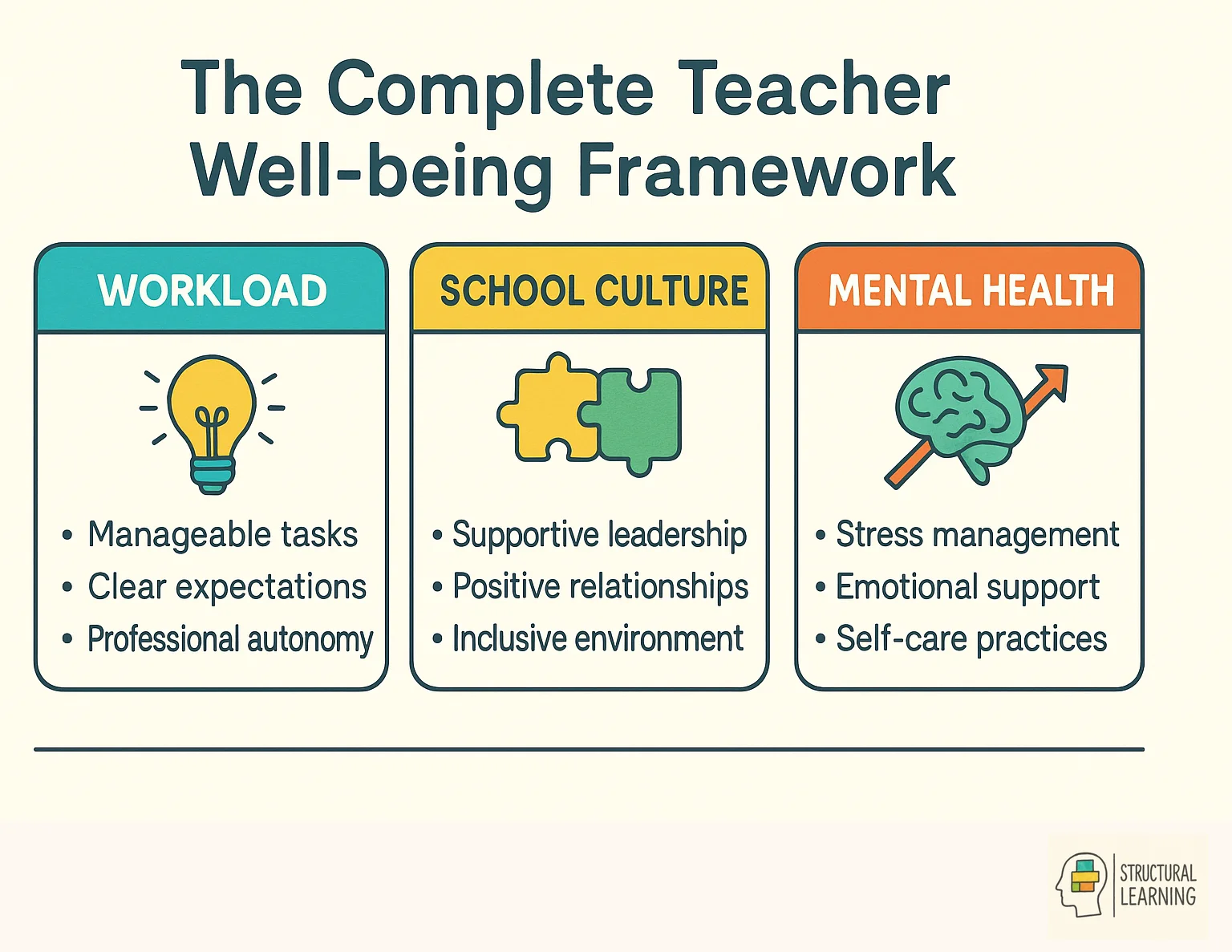
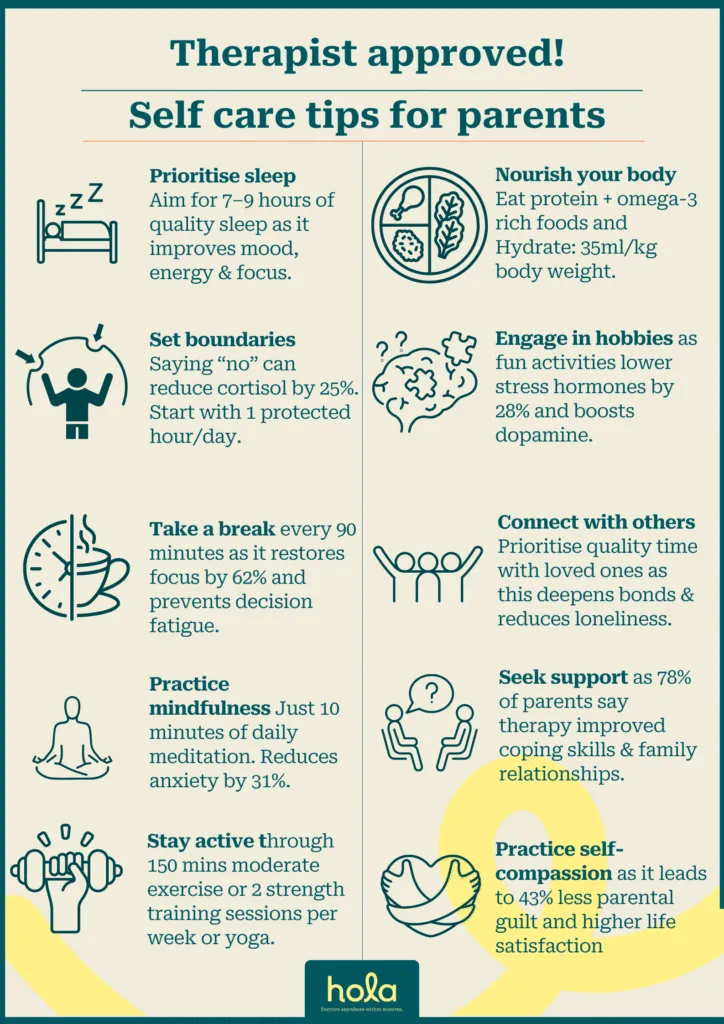
We do need to clean up online rules for children and adults. We do need to reduce excessive screen time. However, for the mental well-being of the children and teens, we need to support the adults around. The teachers and parents. How can you look after yourselves and the adults so that they can care for the children and teens? How do we connect with our children such that they connect with social media less?
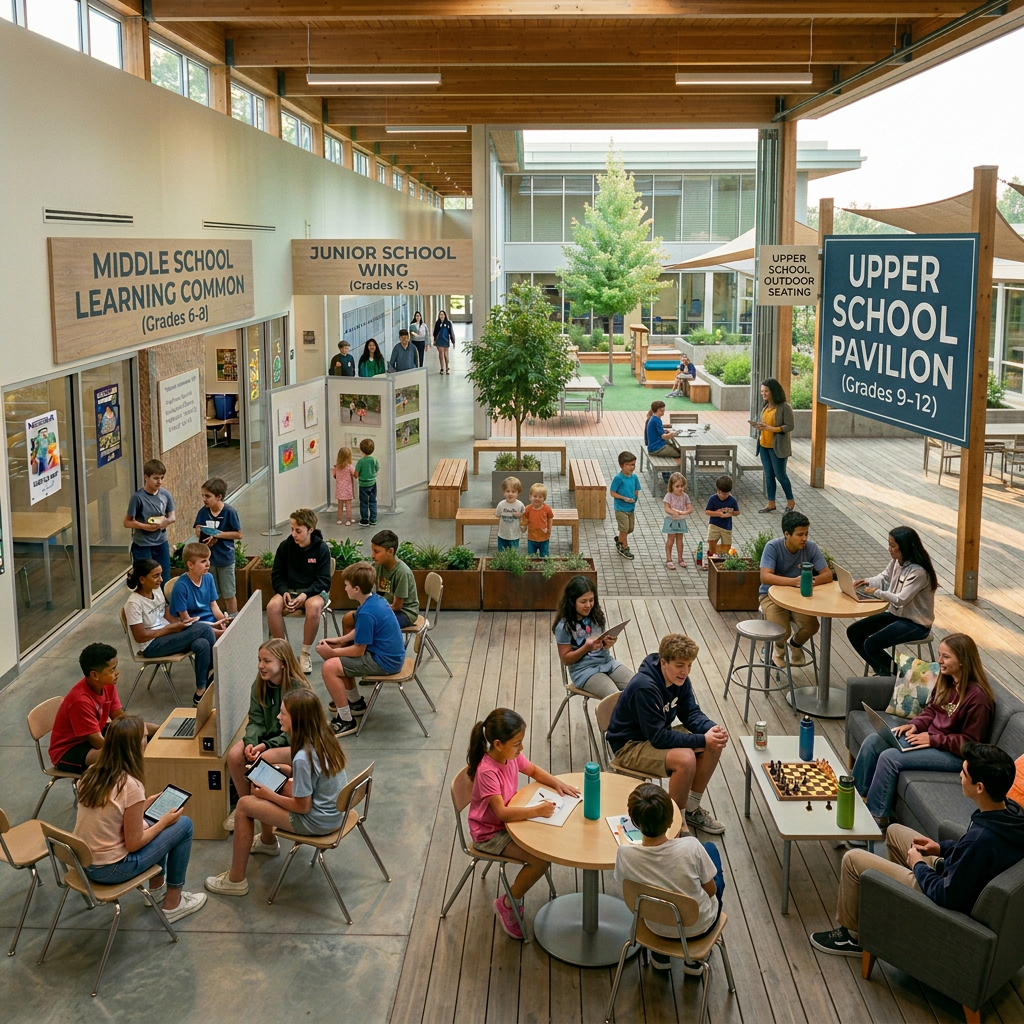
Can we invest to hire more teachers, hire good counsellors, have more parent-teacher interactions to know our children more, to love them and understand them more, to create safe physical hangout spaces for them in schools, public spaces, sports arenas? What do you think banning social media from teens will lead them to? What do you think happens in states in India which are designated dry states – are they freed of alcohol and addiction, or does more illicit trading and drinking and sometimes dying happen because of liquor consumption?
Tax the liquor, tax the tobacco, tax the tech. Use the money for public spaces, spaces to fund teacher training and teacher salaries, set up school counsellors and digital counsellors for children, teachers, and parents to reach out to. Banning the use or snatching the phone away may not be the solution for the problem in hand.
Let us go ahead and set high expectations for our children and let us work out many ways of supporting them in getting there. What say?
This is a free newsletter for parents, educators, and students. If you like my content, please subscribe by entering your email address here.
Three Images of the Week
Two Thoughts of the Week
Stefanie Lomas, covered spaces consultant, says:
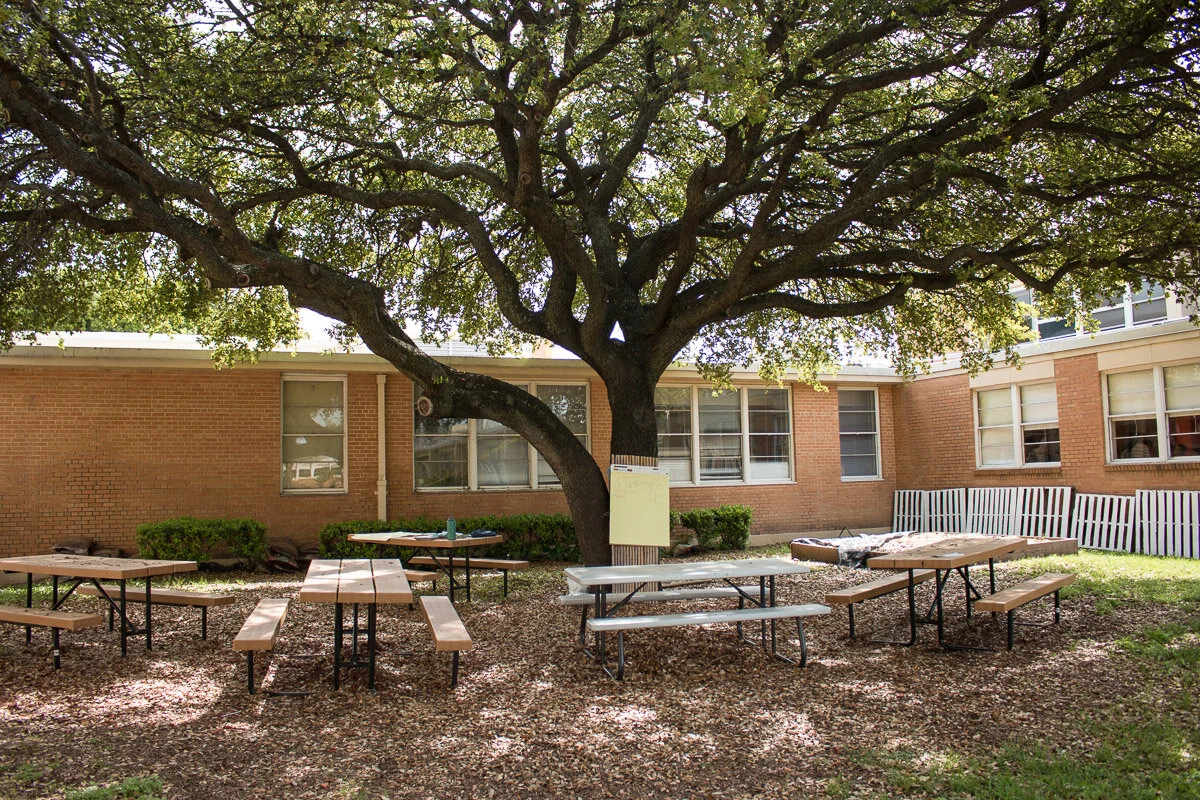
“Confidence doesn’t have to be built at a desk. We consistently see that when students are given accessible outdoor areas, their self-assurance and ability to interact with other pupils dramatically improve! A canopy, therefore, is a powerful statement that values informal learning and student well-being.”
“When I was six, the Korean War broke out, and all the classrooms were destroyed by war. We studied under the trees or in whatever buildings were left. ” Ban Ki-moon
One Video of the Week
For years, the warning has been: smartphones are destroying a generation. But developmental psychologist Candice Odgers says that decades of data on teens tells a different story — violence, alcohol use and pregnancy are at historic lows, and research shows social media may not actually be the culprit for mental health problems. Hear her analysis of what’s really troubling kids these days, and why banning them from online spaces may make things worse.
Reading with Ms Meenu: Tip of the Week
Reading vs. Social Media: Which One Helps the Brain More?
In today’s world, people spend a lot of time on social media. Platforms like Instagram, TikTok, YouTube, and Facebook give quick entertainment and instant information. At the same time, reading books, newspapers, magazines, and articles remains one of the best ways to learn and grow. Both reading and social media affect the brain, but they do so in very different ways.
Reading helps the brain slow down and focus. When we read, we must pay attention to words, sentences, and ideas. This improves concentration and patience. Reading also builds vocabulary, strengthens memory, and improves communication skills. A person who reads regularly often becomes better at writing, speaking, and understanding complex ideas.
Reading also develops imagination. When we read a story, the brain creates pictures, characters, and places in our mind. This makes the brain more active and creative. Unlike videos, where everything is shown to us, reading makes us think deeply and use our own imagination.
Social media can also be useful. It helps people stay connected, learn quick facts, follow news, and discover new ideas. Educational videos and posts can teach skills in a simple and interesting way. However, too much social media can weaken focus. Since posts and videos are short and fast-moving, the brain gets used to quick rewards. This can make it harder to concentrate on longer tasks like studying, reading, or problem-solving.
Another issue with social media is distraction. Notifications, likes, comments, and endless scrolling can make the brain crave constant stimulation. This may reduce patience and make people feel restless when they are not using their phones. Reading, on the other hand, trains the brain to stay calm, focused, and engaged for a longer period of time.
Overall, reading helps the brain more in the long term. It improves focus, memory, imagination, vocabulary, and critical thinking. Social media can be helpful when used wisely, but it should not replace reading. The best choice is to use social media in moderation and make reading a daily habit. A healthy brain needs both information and focus, and reading is one of the strongest ways to build that focus.
Happy Reading!
For more information please visit: placealibrary.ca
Meenu Gera
Consulting Home and School Library Reading Guide
I Think, I Wonder, I Ask
–Dr. Shreelakshmi Subbaswami, Academic Director, Vijaya School, Hassan, Karnataka
Build the Basics, Fill the Gaps
A month into the new academic year, as we walk through classrooms, we see how the curriculum is being translated into practice and how students, teachers, and even parents are learning alongside one another. Some moments make us smile, and there are moments that tell us to go back to the basics.
Sometimes, we notice teachers struggling with simple processes, things that seem so routine that we never imagine they could become stumbling blocks. The same is true for our students. Not every child begins the year at grade level, and that is the reality of every school.
What I have seen that has helped is not to overwhelm teachers with theories or an endless list of strategies. Instead, to provide the right tools at the right time to fill the gaps quickly. Some gaps are about competence. Others are about communication. Once we identify where the challenge truly lies, we can respond to that specific gap and fill it.
There are no shortcuts to higher-order learning- for children, for adults. Strong foundations come first. The challenge before us is to bring every learner and every teacher to the required level of understanding and skill. That requires careful observation, co-teaching, micro-teaching, timely feedback, and continuous mentoring.
So, schools are not only the place where students learn but also the place where teachers learn every single day. Supporting teacher growth with the same intentionality that we support student learning is essential.
I have come to believe that progress is not always about moving faster. Sometimes, it is about pausing to strengthen the basics.
Three questions for you…
- What basic skills or processes in your school need strengthening before introducing something new?
- In what ways are you identifying the difference between a competency gap, a communication gap, and a commitment gap?
- How are you creating a culture where continuous mentoring, feedback, and accountability become part of everyday practice?
Showcase: Thrive STEAM project, Hyderabad
Pooja Khatter, facilitator
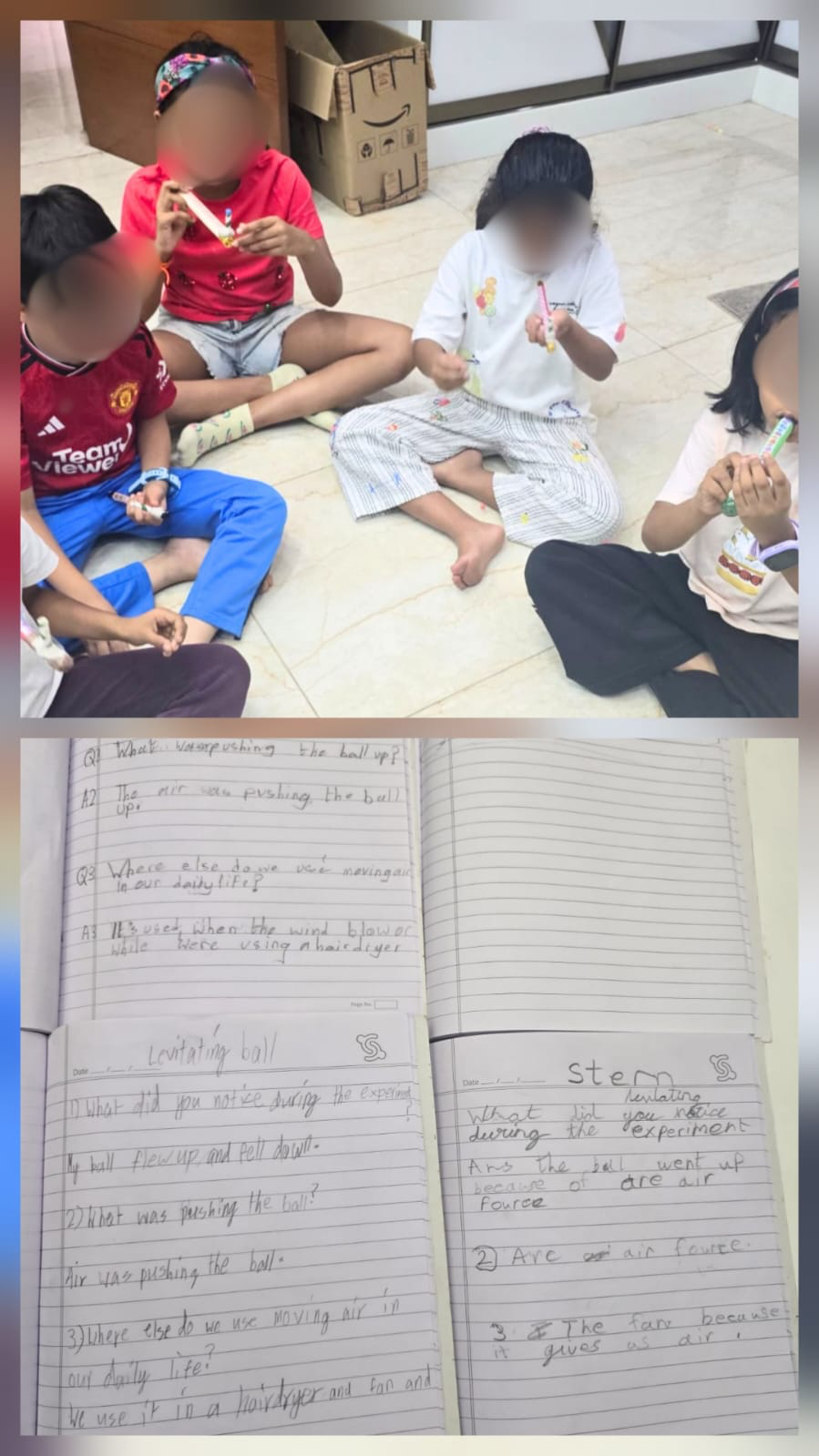
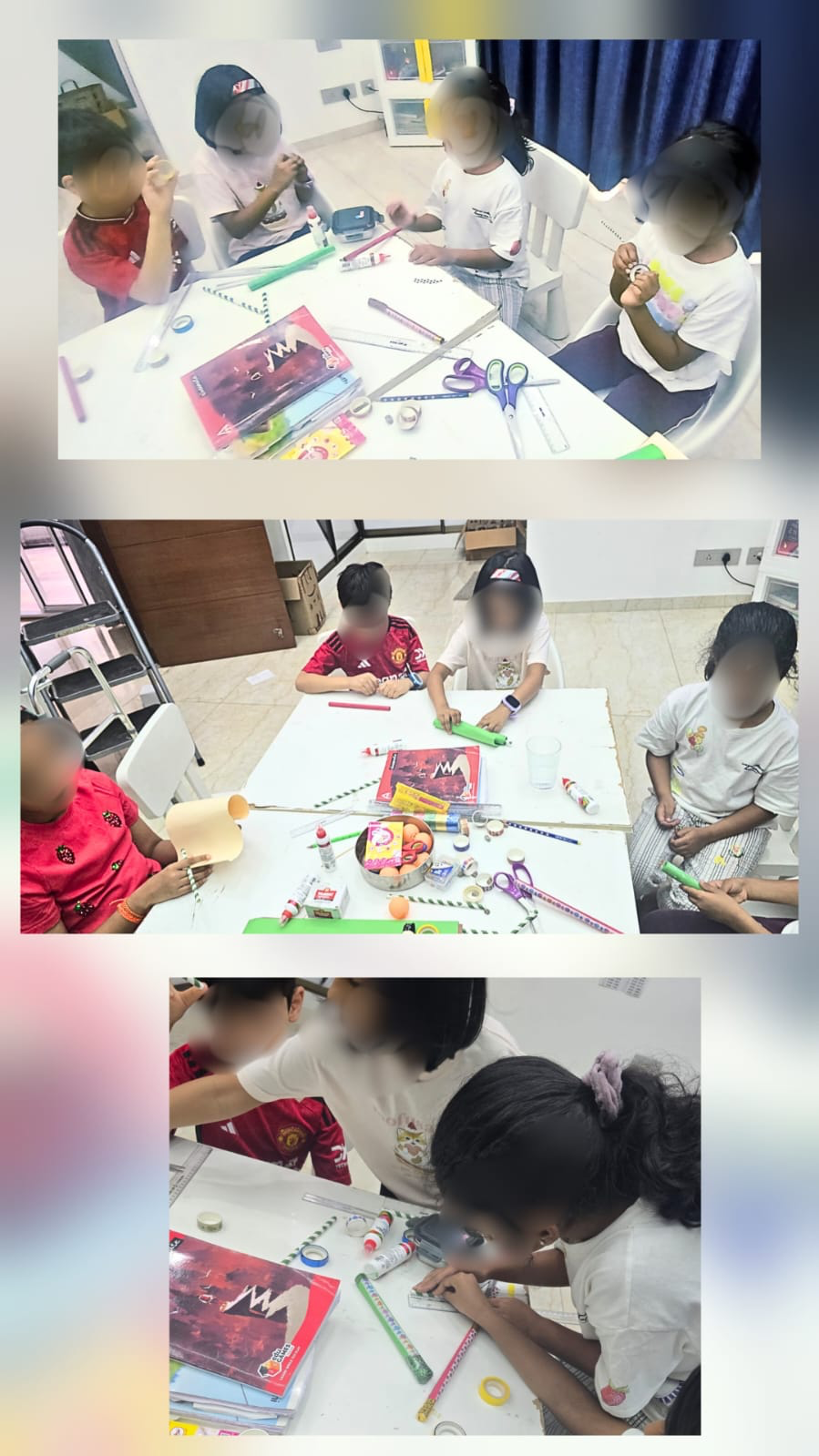
In today’s STEM Lab class, the children made a Levitating Ball model.
Before the activity began, the children were asked about the meaning of the word “levitate.” Mayra wrote the meaning on the whiteboard and explained that it means something that rises or floats in the air.
The children were then shown a demonstration using a hair dryer and a ball. They observed how the ball floated in the moving air and discussed how this happened.
After the discussion, the children made their own models using coloured cards, glue, straws, scales, tape, and coloured tape. They were excited and fully engaged while building their models.
Once the models were ready, the children tested them using thermocol balls, tissue paper balls, and ping pong balls. They observed which balls floated more easily and how the moving air helped keep the balls up in the air.
Through this activity, the children learned that moving air can create an upward force that can push against gravity and make light objects float. They also connected this idea to real-life examples such as kites flying in the sky, hair dryers, and sailing boats moving with the help of wind.
The activity encouraged curiosity, observation, creativity, and hands-on learning.
Tara – 6 years 10 months old
Neev ,Mayra & Tashi – 7 years 11 months old
Havishka – 8 years 3 months old
Dear reader,
My work in education includes designing learning ecosystems where students thrive, teachers grow, and schools build lasting cultures of excellence through innovative curriculum, evidence-based practice, and meaningful educational leadership.
Professional development with Ms Niv : Click below to find the teacher and student workshops and trainings I currently offer:
https://docs.google.com/presentation/d/1ypWO8KpVh56vhYqAMH4XoytLRKMXvwpCAfv3l3fryJQ/edit?usp=sharing
3-2-1 Tuesdays with Ms. Niv is a newsletter you can subscribe to and enjoy your learning journey with me.