Nivedita Mukerjee
Education consultancy for parents and schools
3-2-1 Tuesdays with Ms Niv
Issue #319, 10th August 2026
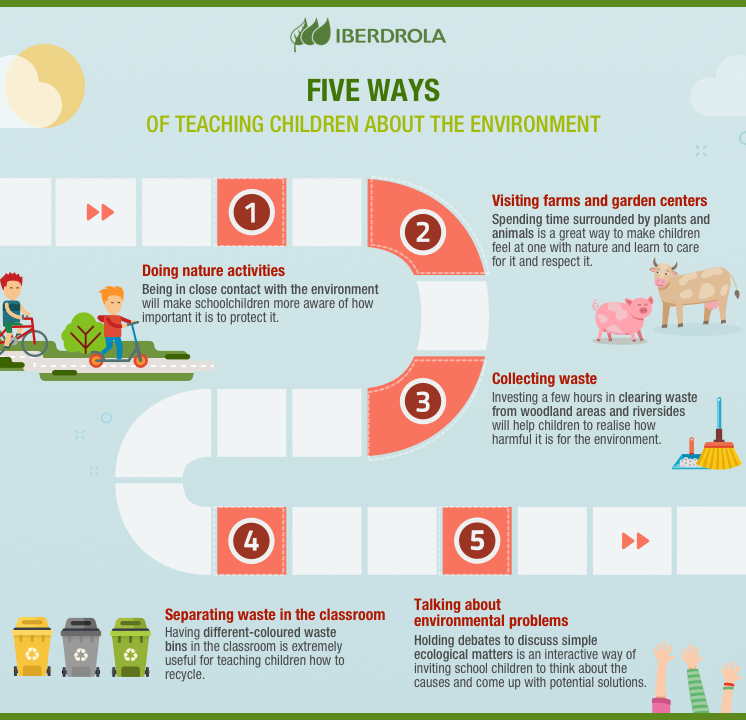
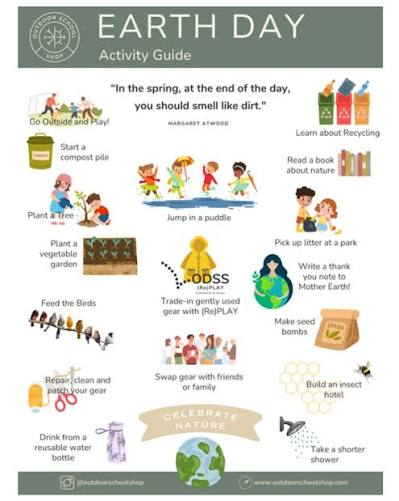
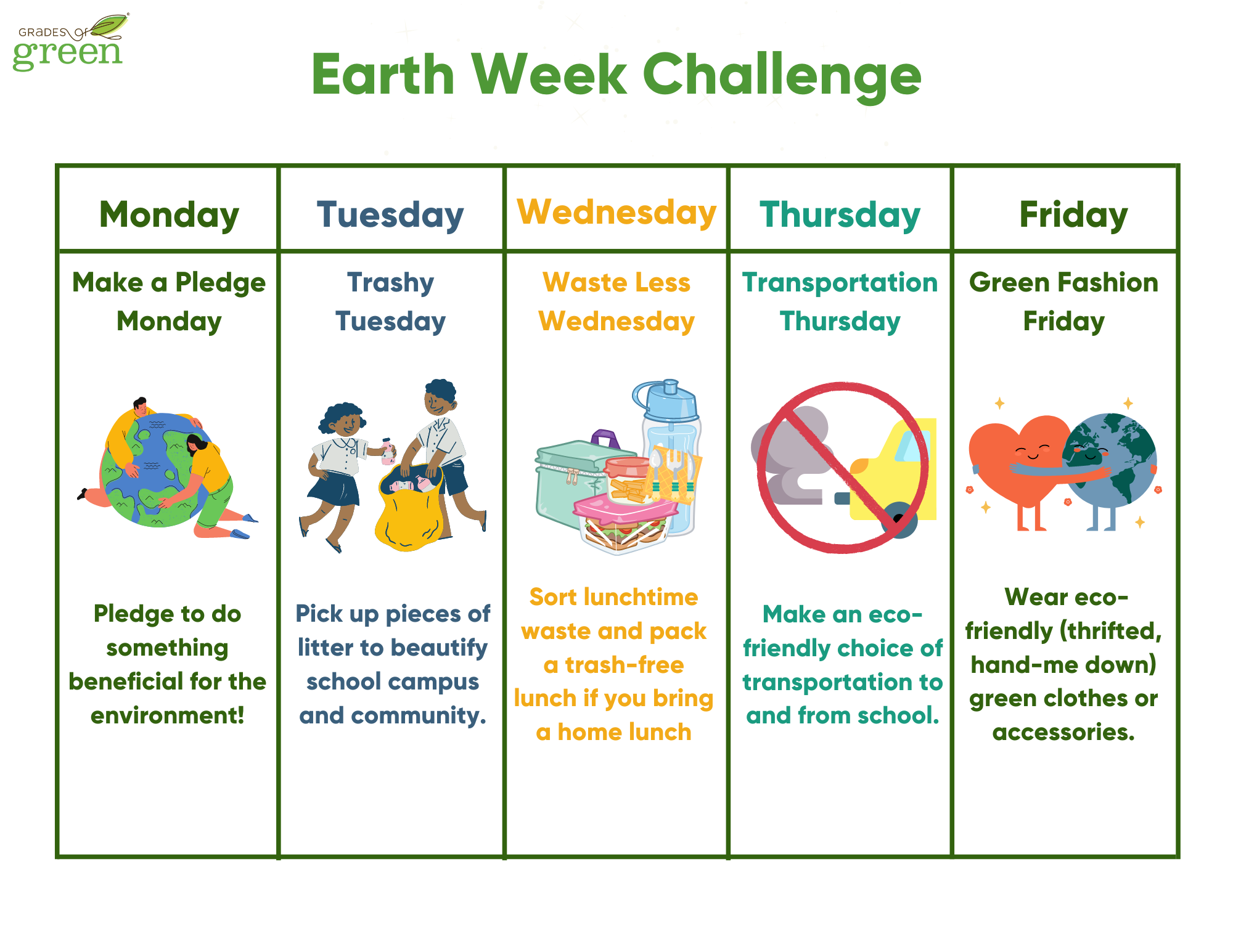
Earth Day, Environment Day, Sustainable Goals. How does an educator include them in the curriculum. What makes Climate change a social responsibility? What can schools and students do about their surroundings, the place they learn and live?
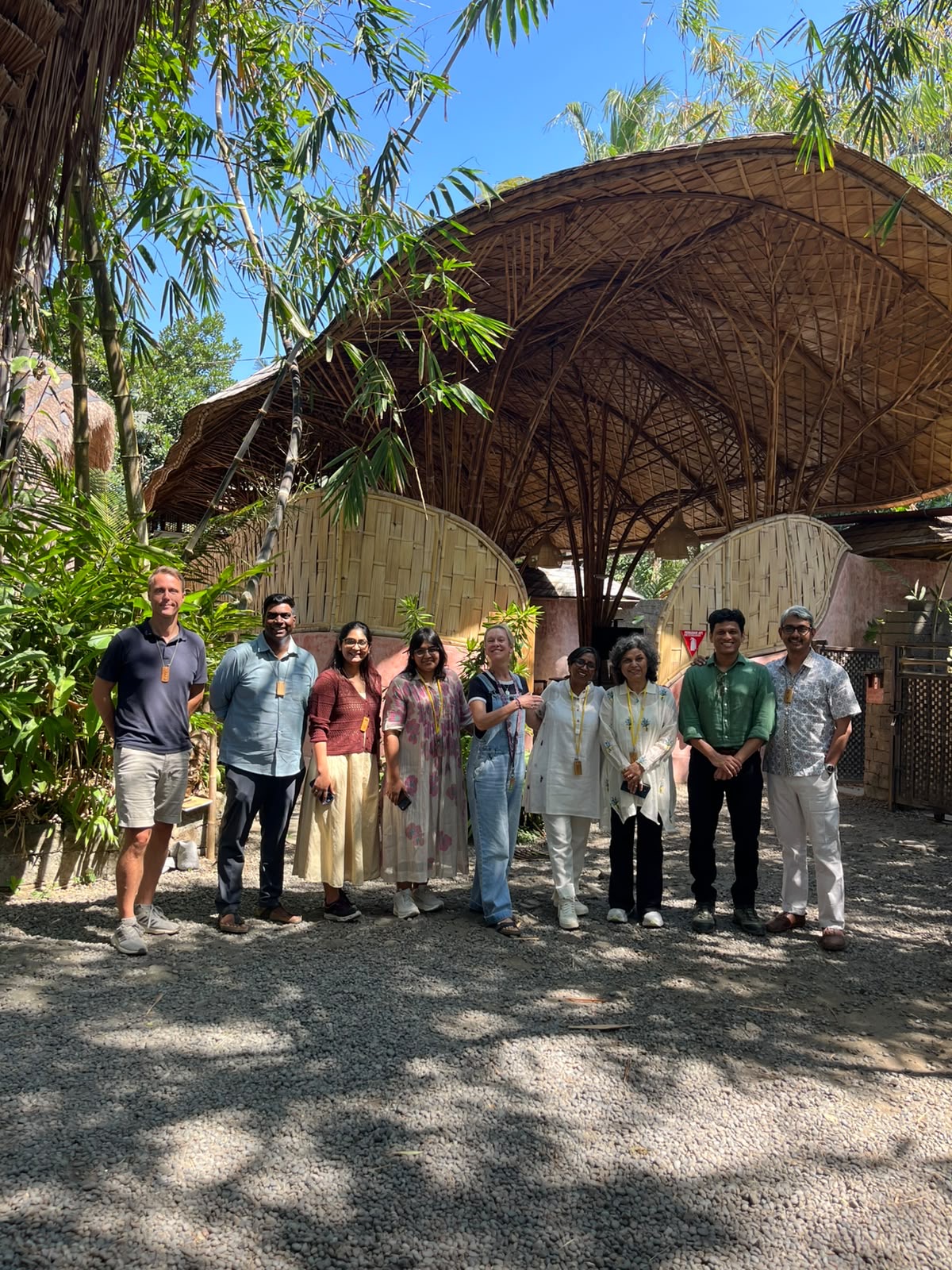
A recent visit to Green School Bali brought this to the fore for me. As an education advisor, I have a keen interest in designing learning spaces as I firmly believe that the learning environment truly influences and extends thinking, learning, and applying the knowledge. Does it happen if the learning environment is sustainable? If the learning materials are sustainable? If the infrastructure is sustainable? If the school culture and families of the students live by sustainability principles?
What do you think? What are some of your thoughts as an educator/parent? Go to the jungles to learn, bring the learning from the jungles to school, do a bit of both, or any other? What would be practical and yet sustainable?
This is a free newsletter for parents, educators, and students. If you like my content, please subscribe by entering your email address here.
Three Images of the Week
Two Thoughts of the Week
“The greatest threat to our planet is the belief that someone else will save it.” – Robert Swan
“We do not inherit the Earth from our ancestors, we borrow it from our children.” – Native American Proverb
One Video of the Week
Join John Hardy on a tour of the Green School, his off-the-grid school in Bali that teaches kids how to build, garden, create (and get into college). The centerpiece of campus is the spiraling Heart of School, perhaps the world’s largest freestanding bamboo building.
Reading with Ms Meenu: Tip of the Week
The Role of a Data Librarian
A data librarian is an information professional who helps people find, understand, manage, preserve, and use data effectively. Data librarians commonly work in universities, research institutions, government agencies, libraries, and other organizations that collect or produce large amounts of information.
One of the main responsibilities of a data librarian is helping researchers and students locate reliable datasets. These datasets may include census information, economic statistics, scientific results, survey data, geographic information, or business data. The librarian helps users identify appropriate sources and understand any conditions or restrictions related to using the data.
Data librarians also support research data management. They may help researchers create data management plans that explain how data will be collected, organized, stored, protected, shared, and preserved. Proper data management makes research more organized and helps prevent important information from being lost.
Another important role is teaching data literacy. Data librarians show users how to read tables, interpret statistics, evaluate data quality, and recognize misleading or incomplete information. They may provide workshops on spreadsheets, data visualization, citation practices, database searching, or research software.
Data librarians also assist with data documentation. They encourage researchers to include clear file names, descriptions, labels, and metadata. Metadata provides information about a dataset, such as who created it, when it was collected, what the variables mean, and how the data can be used. Good documentation allows other people to understand and reuse the data.
Preserving data for future use is another key responsibility. Data librarians may help deposit research materials in digital repositories where they can remain accessible over time. They work to ensure that files are stored in suitable formats and that sensitive or confidential information is properly protected.
Ethics, privacy, and copyright are also important parts of the role. Data librarians help users understand consent requirements, licensing agreements, ownership rights, and privacy regulations. They may advise researchers on how to remove identifying information before sharing a dataset.
In addition, data librarians often collaborate with faculty members, students, researchers, information technology staff, statisticians, and research offices. Their work connects library services with digital research and technology.
As research becomes increasingly data-driven, the role of the data librarian continues to grow. Data librarians help ensure that data is accurate, organized, accessible, ethical, and useful. Their work supports stronger research, informed decision-making, and the long-term preservation of valuable information.
Happy Reading!
For more information please visit: placealibrary.ca
Meenu Gera
Consulting Home and School Library Reading Guide
I Think, I Wonder, I Ask
–Dr. Shreelakshmi Subbaswami, Academic Director, Vijaya School, Hassan, Karnataka; https://vijayaschoolhsn.in/
Early Mathematics: Getting the Foundations Right
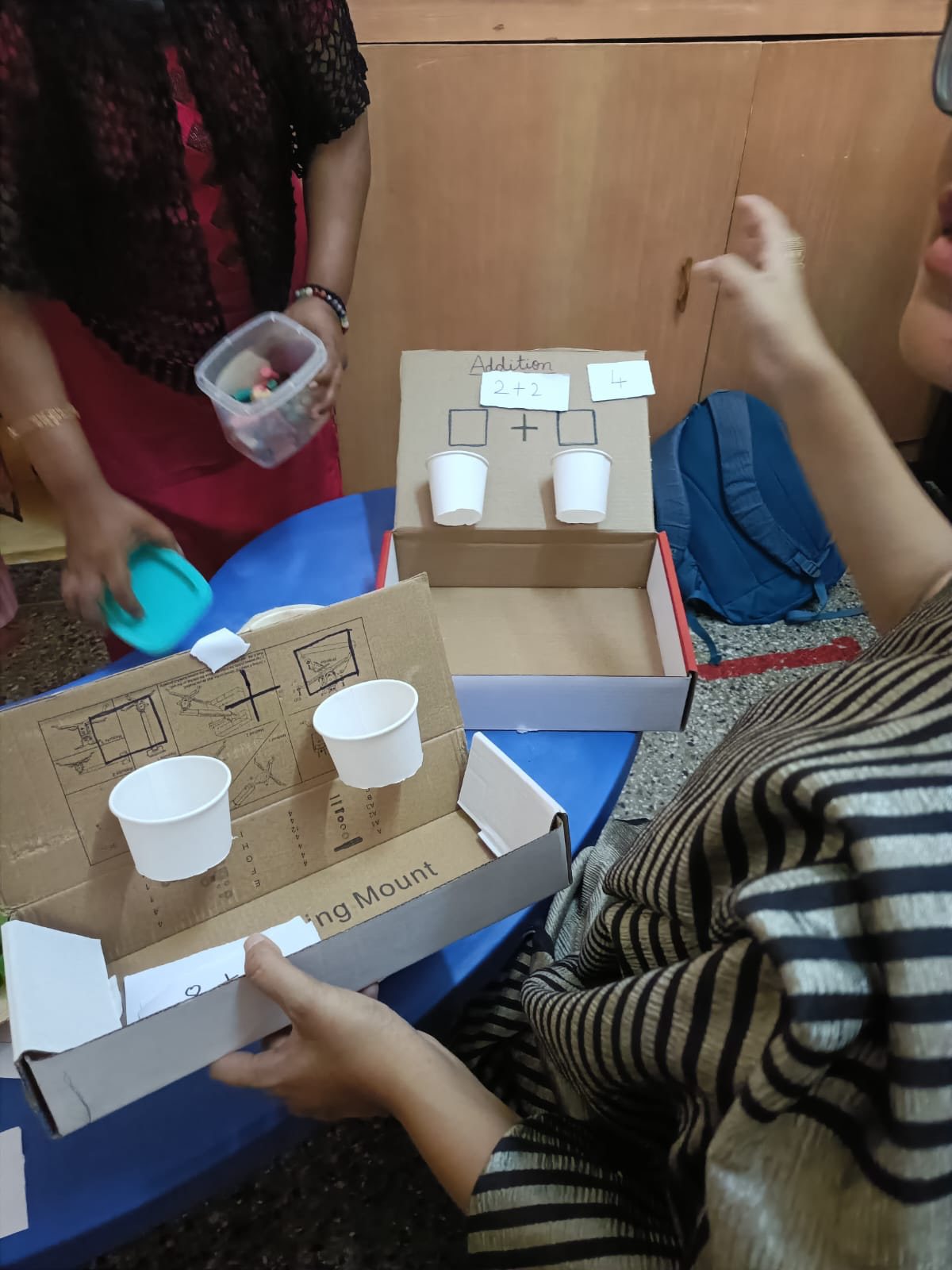
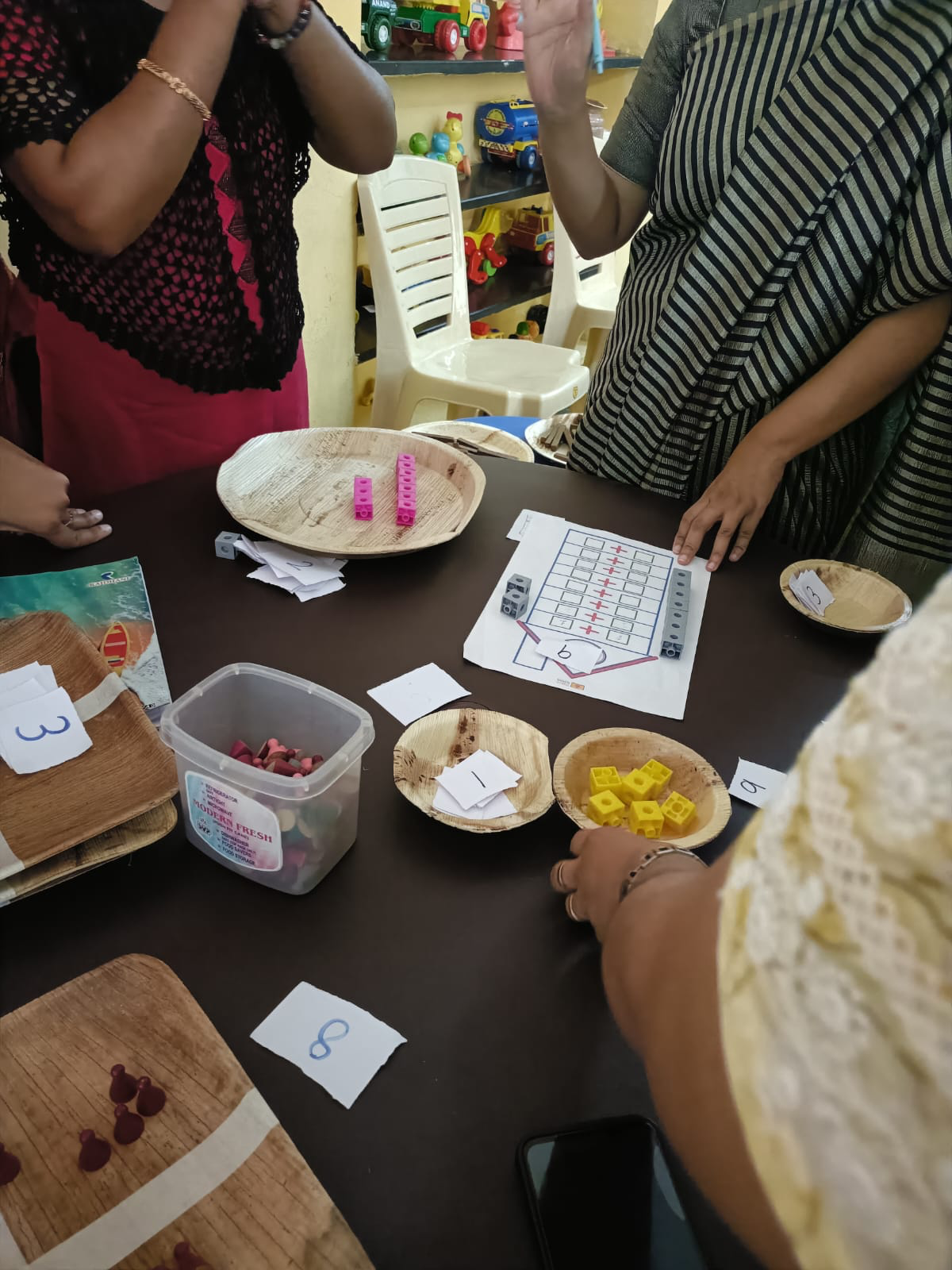
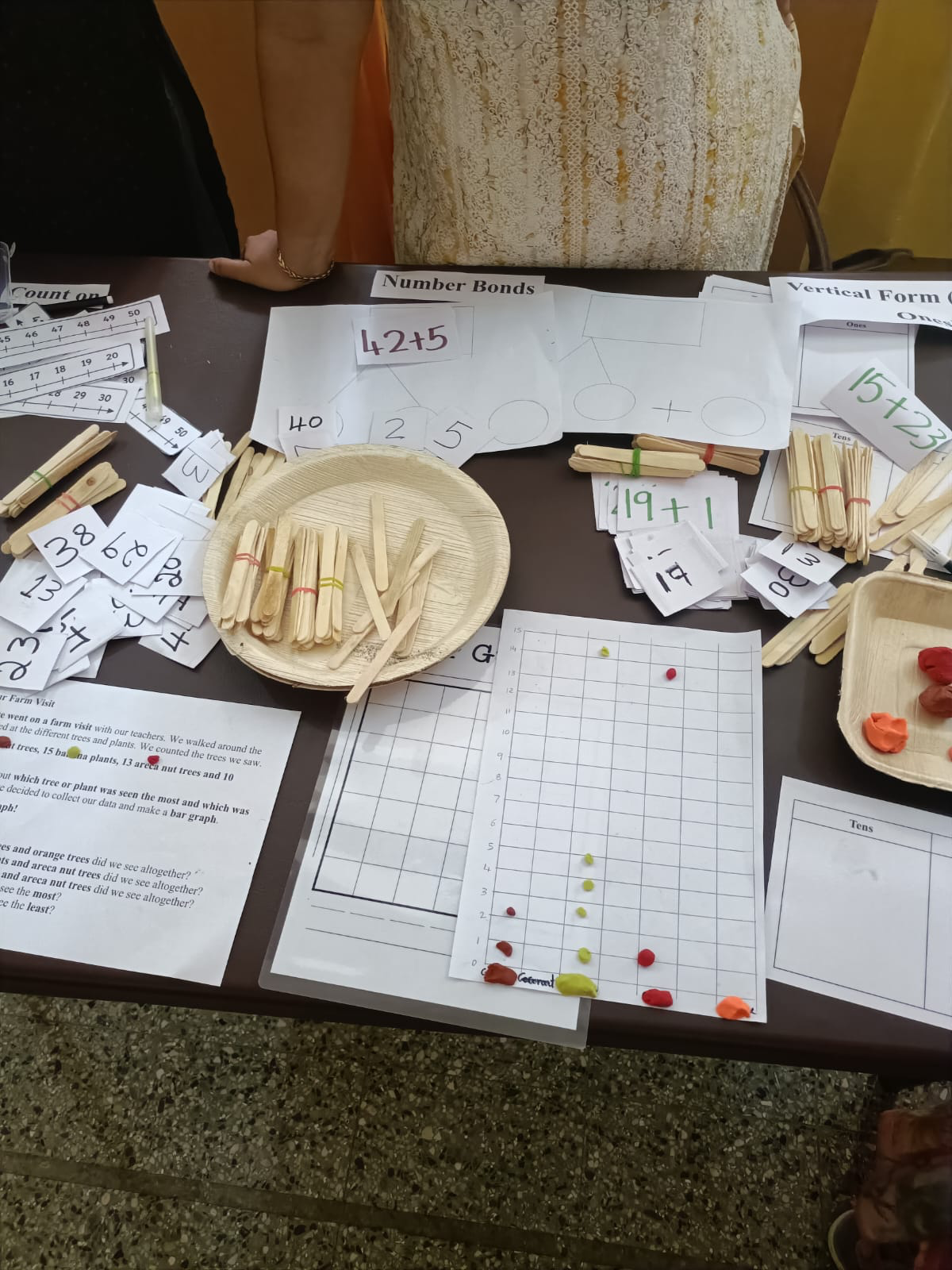
Early mathematics is often assumed to be easy to teach. Yet, over the years, I have realised that teaching mathematics in the early years cannot simply be a smaller version of what we do in the higher grades. Young children need a different modality, a variety of experiences and, most importantly, the right sequence of experiences.
Mathematical concepts spiral. If a child misses an important idea at one stage, the next concept may not make sense. This is why we have been revisiting our early years mathematics curriculum and pedagogy, with a conscious move towards the Concrete-Pictorial-Abstract (CPA) approach and creating multiple ways for children to experience and learn each concept.
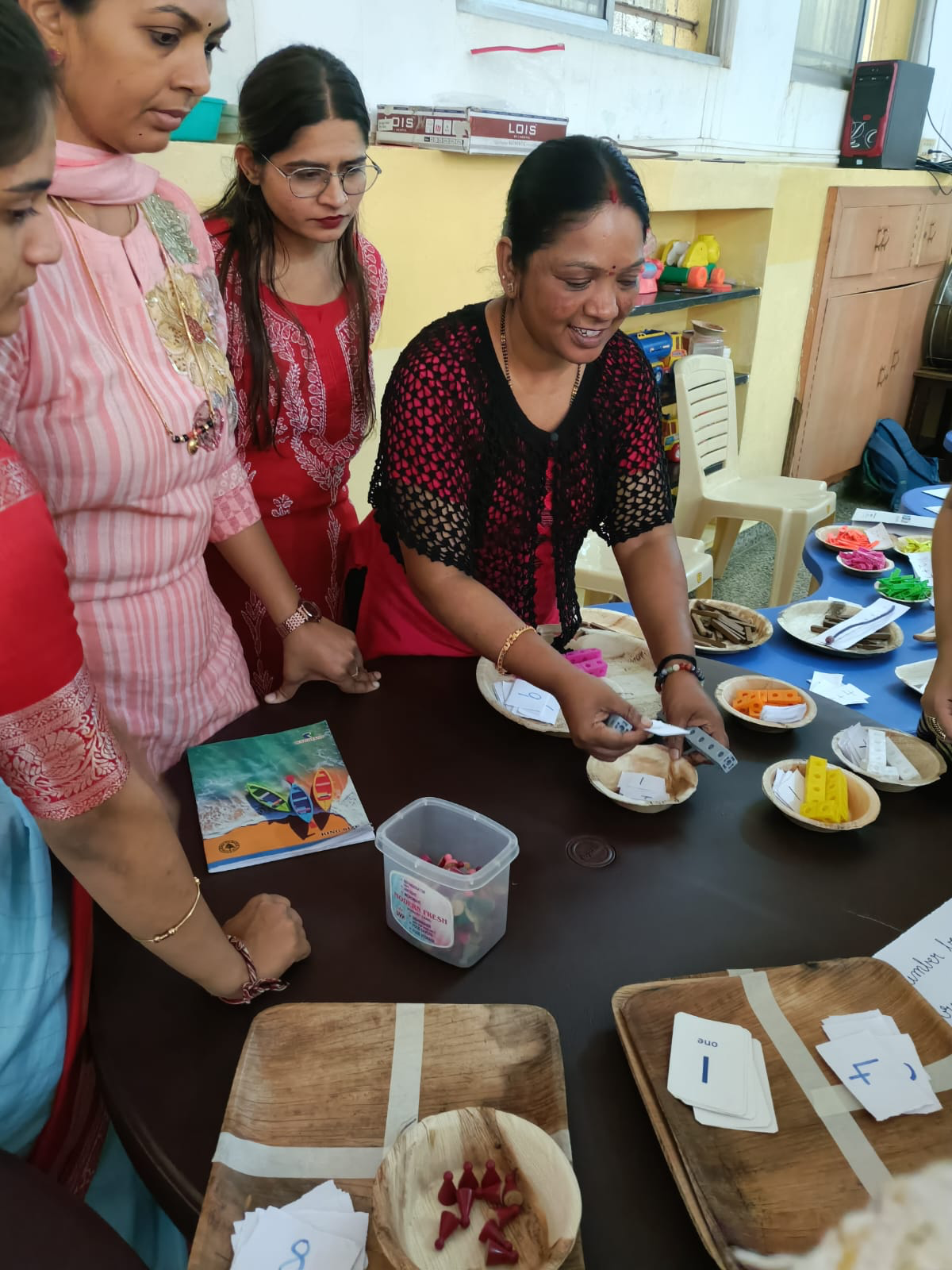
In our recent workshops, teachers explored concepts through different materials, modalities and methods. As they brought activities together, interesting things surfaced- misconceptions became visible, some beautiful integrations emerged, and we also noticed what was missing.
But the work did not stop at creating activities. We asked: How will this actually translate into a classroom? Can we make the steps simpler? Are our instructions clear enough? How should the learning centre be set up? How many resources does each child need to remain actively engaged?
These make-and-take workshops have reminded me that teacher learning does not always need to be elaborate. Sometimes, a few focused hours of doing, discussing, questioning and correcting can have a high impact.
We saw that when teachers experience mathematics themselves, they begin to see children’s learning differently. And perhaps I think that is where better mathematics teaching begins…
Three questions for you…
- In what ways are the mathematics experiences helping children build understanding rather than simply learn procedures?
- How do we know when a child has truly understood a mathematical concept?
- What can we change in our classrooms to make early mathematics more meaningful and accessible to every learner?
Showcase: Thrive STEAM project, Hyderabad; https://thrivesteam.com/
Pooja Khatter, facilitator
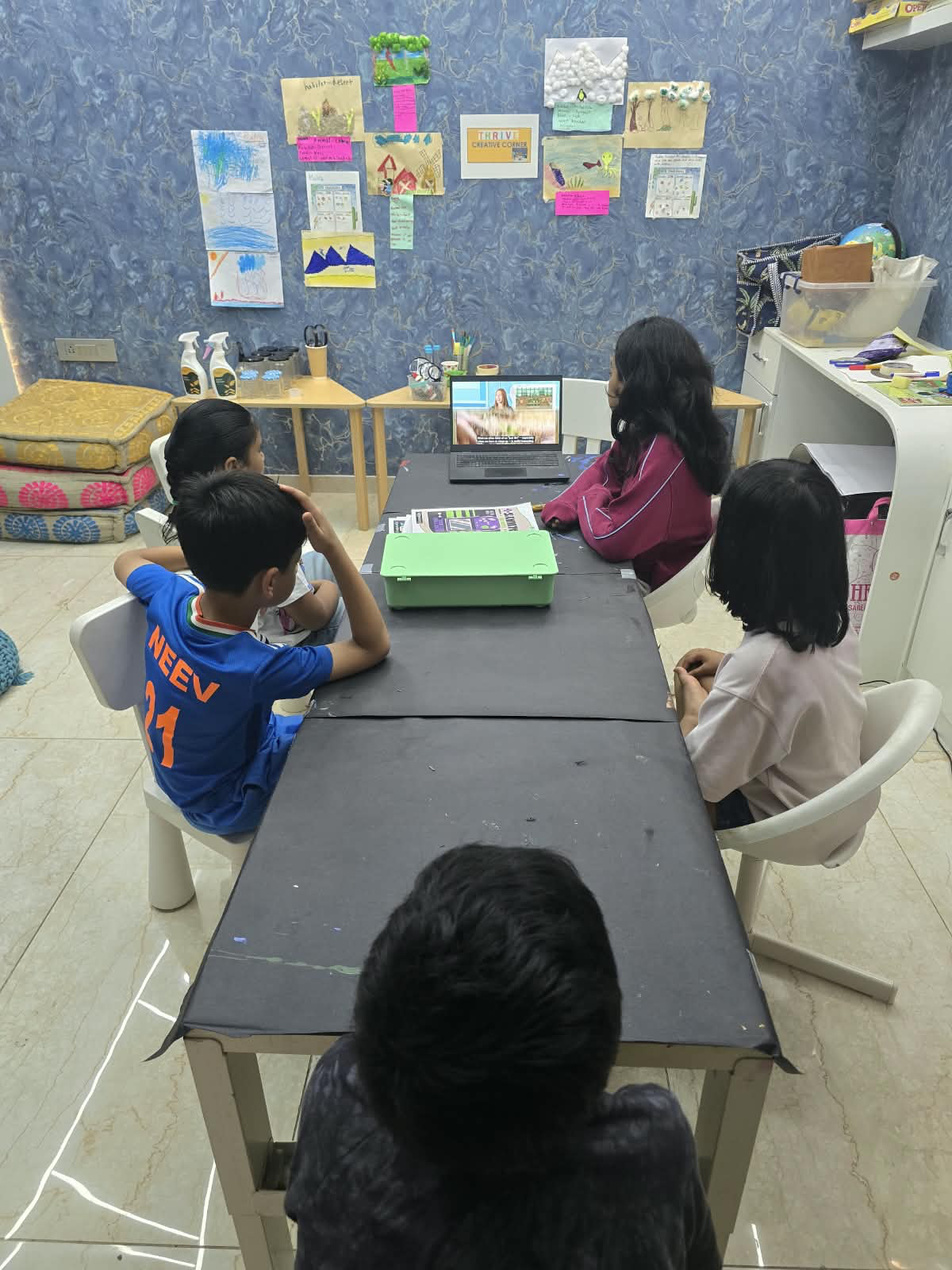
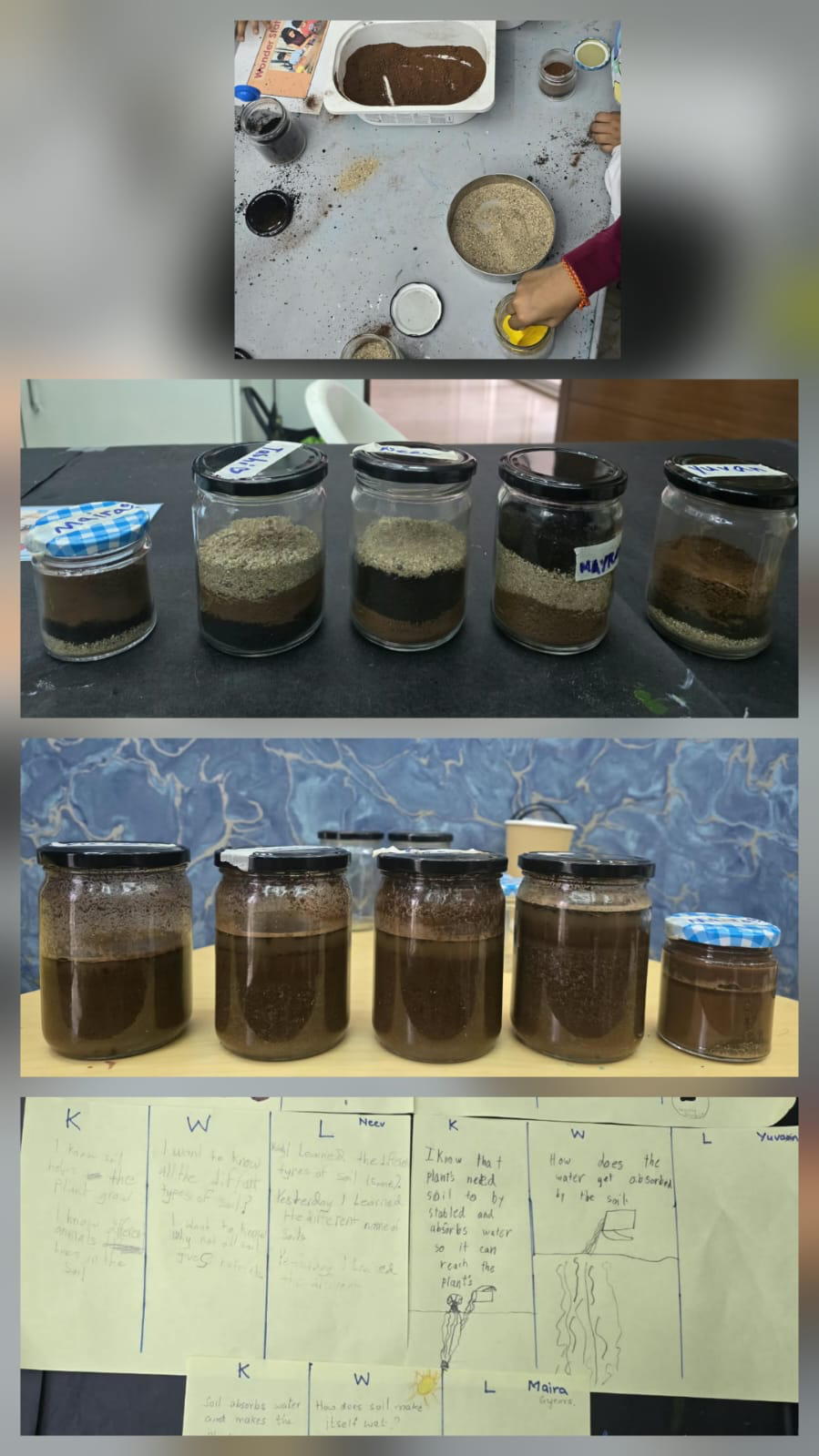
Soil Exploration: The children stepped into the fascinating world of soil through hands-on observation, discussion and experiments. They observed red soil, black soil, sand, manure, vermicompost, dry leaves, stones and a flowering plant using magnifying glasses. They touched, smelled and closely observed each sample, comparing its colour, texture and smell.
Through a KWL discussion, the children shared what they already knew and raised questions about how soil helps plants grow, how water moves through soil, and what lives beneath the ground. They discovered that soil provides a home for tiny living organisms such as earthworms, ants, caterpillars and millipedes.
The children also watched the “Soil Is Alive!” video by SciShow Kids and connected it to their observations.
Soil Layer Jar Experiment
The learning came alive through a Soil Layer Jar Experiment using red soil, black soil, and sand. After adding water and shaking the jar, the children watched closely as the mixture settled. They noticed that heavier particles settled first, while smaller particles took longer to settle, with some lighter materials remaining suspended in the water.
The children compared how different soils interacted with water and shared their observations about which soil absorbed water faster and which absorbed it more slowly.
Through this experience, the children understood that soil is made up of different materials and particles and plays an important role in supporting plants and living organisms.
Maira – 6 years old
Neev, Mayra, Tashi & Yuvaan – 7 years 11 months old
Havishka – 8 years 3 months old
Teacher for Teachers
Ms Debjani Sinha with Ms.Dimpi, Ms. Spandana, Ms. Reshma, and Ms. Swati; Early Years Team at Capstone High School, Hoskote, Bangalore; https://capstonehigh.com/
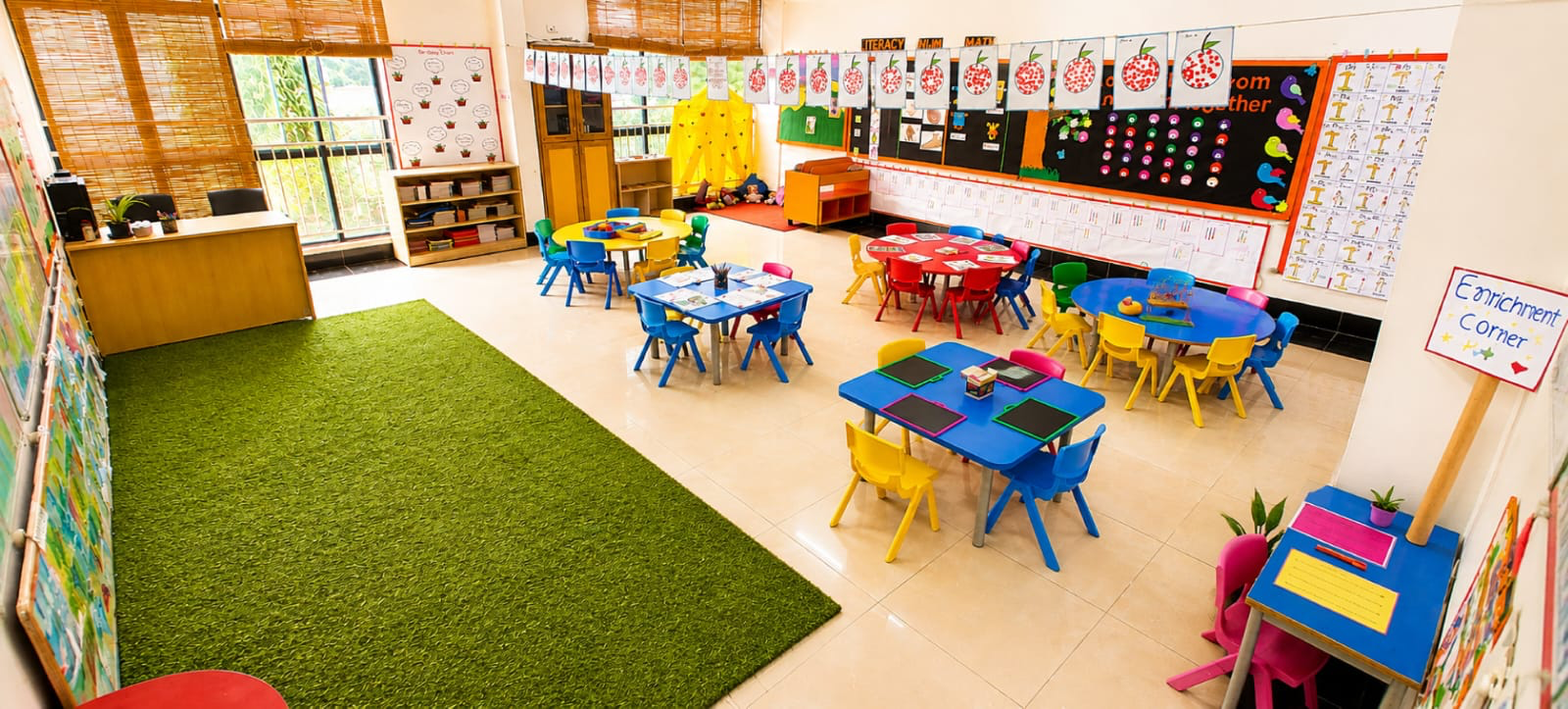
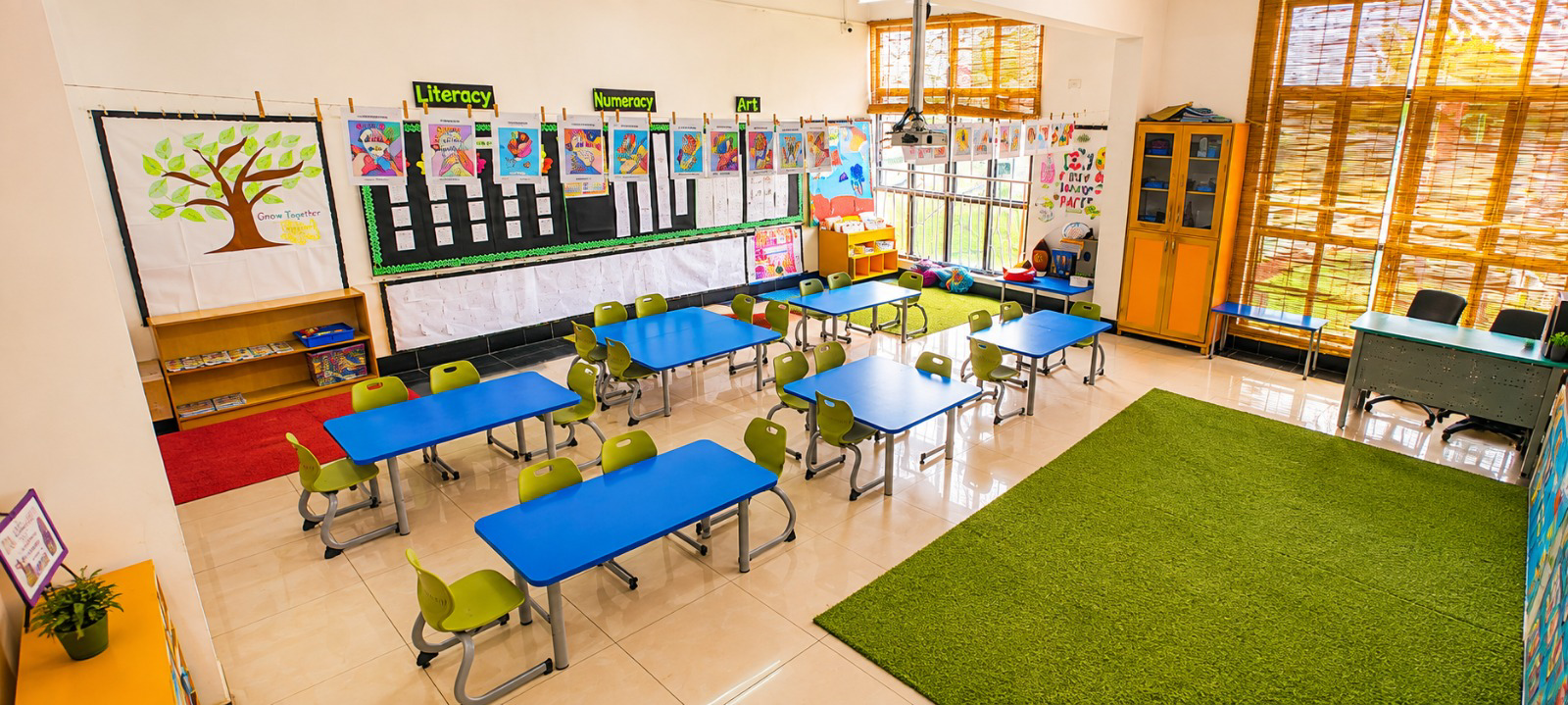
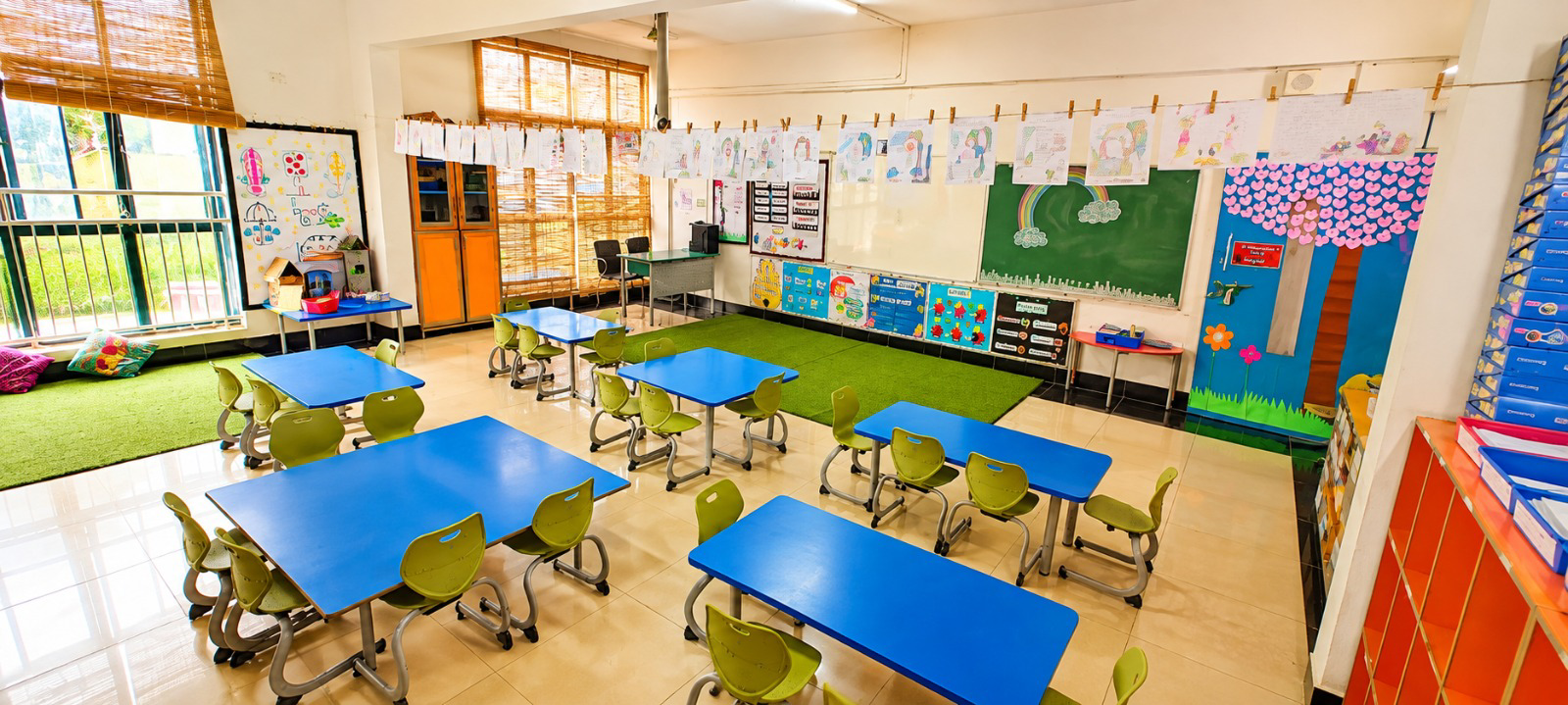
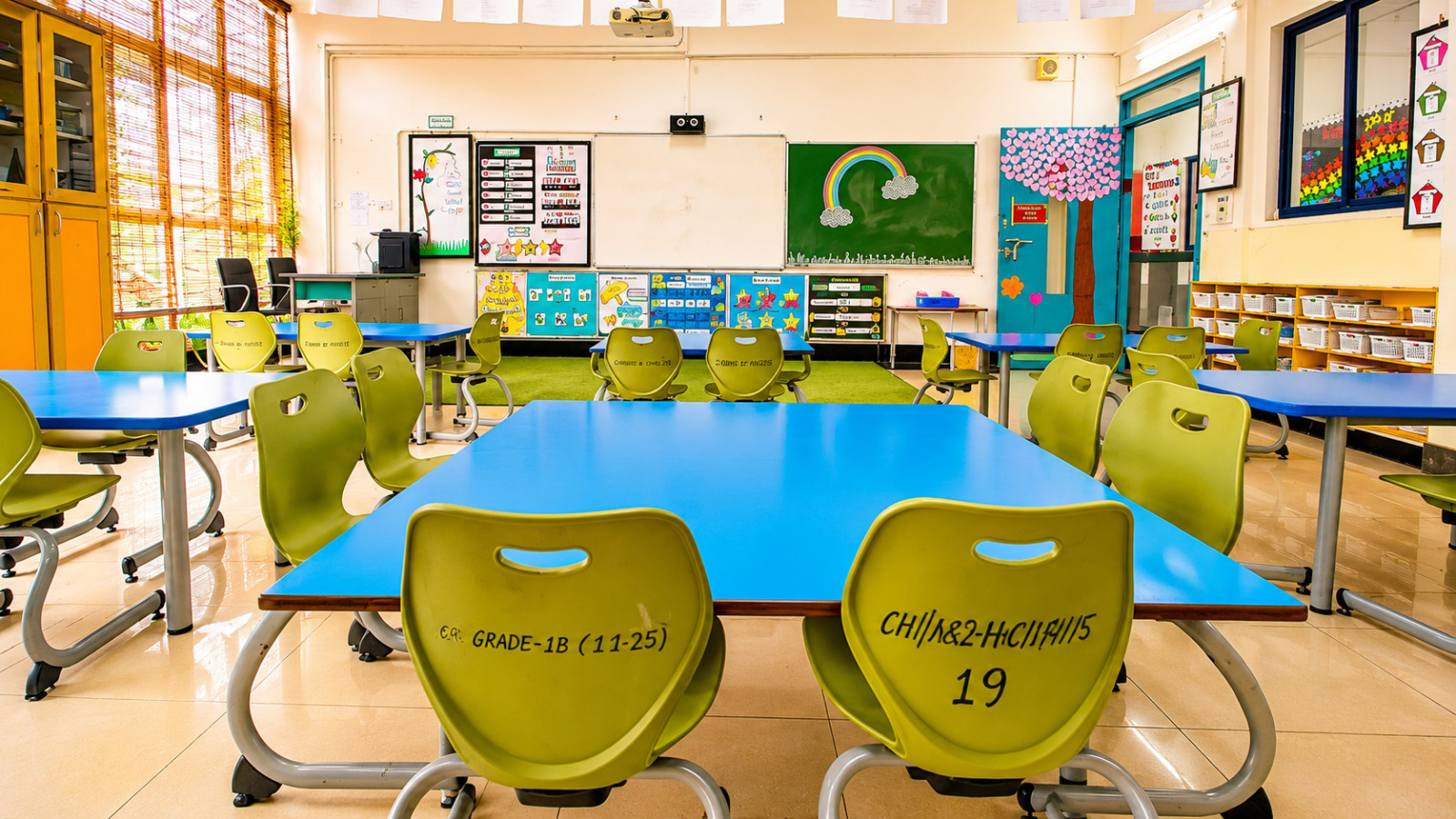
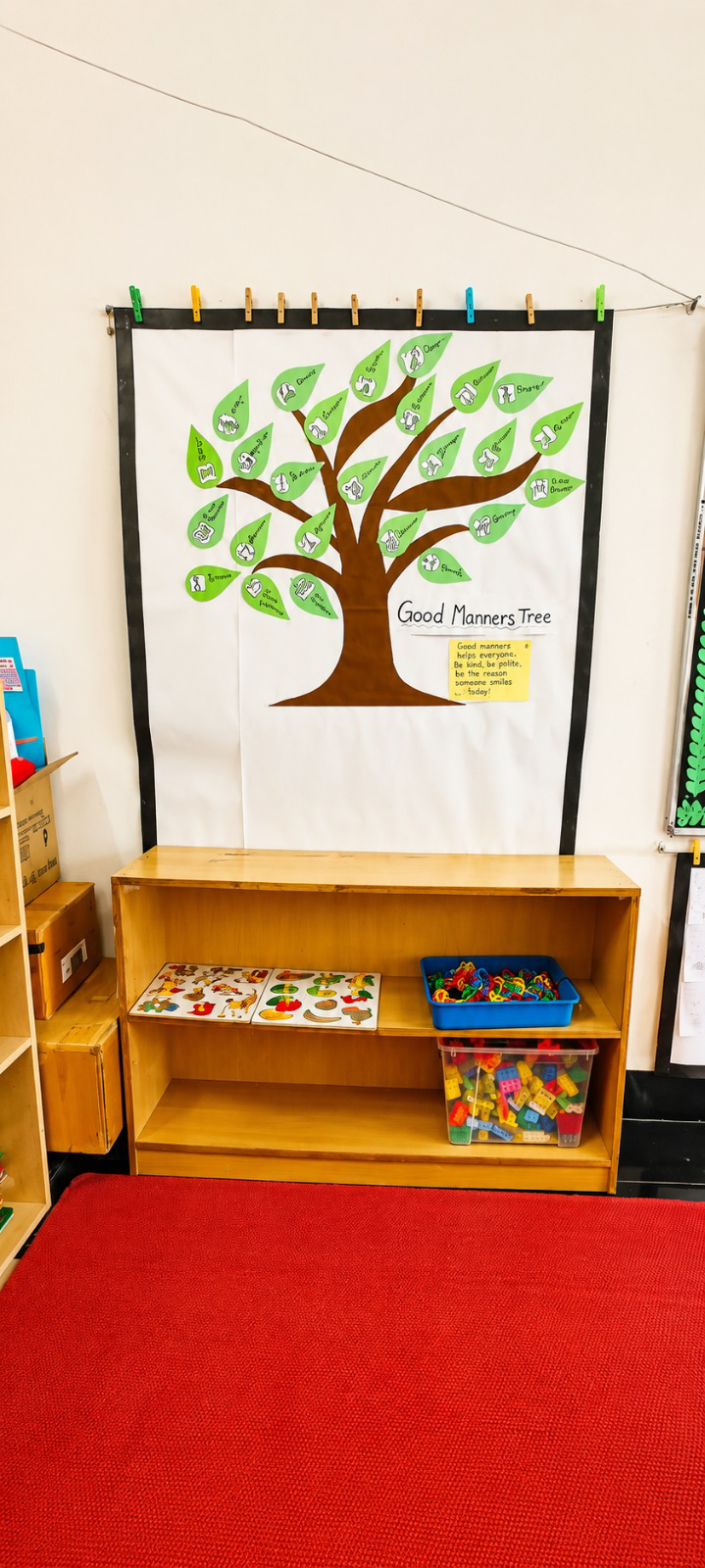
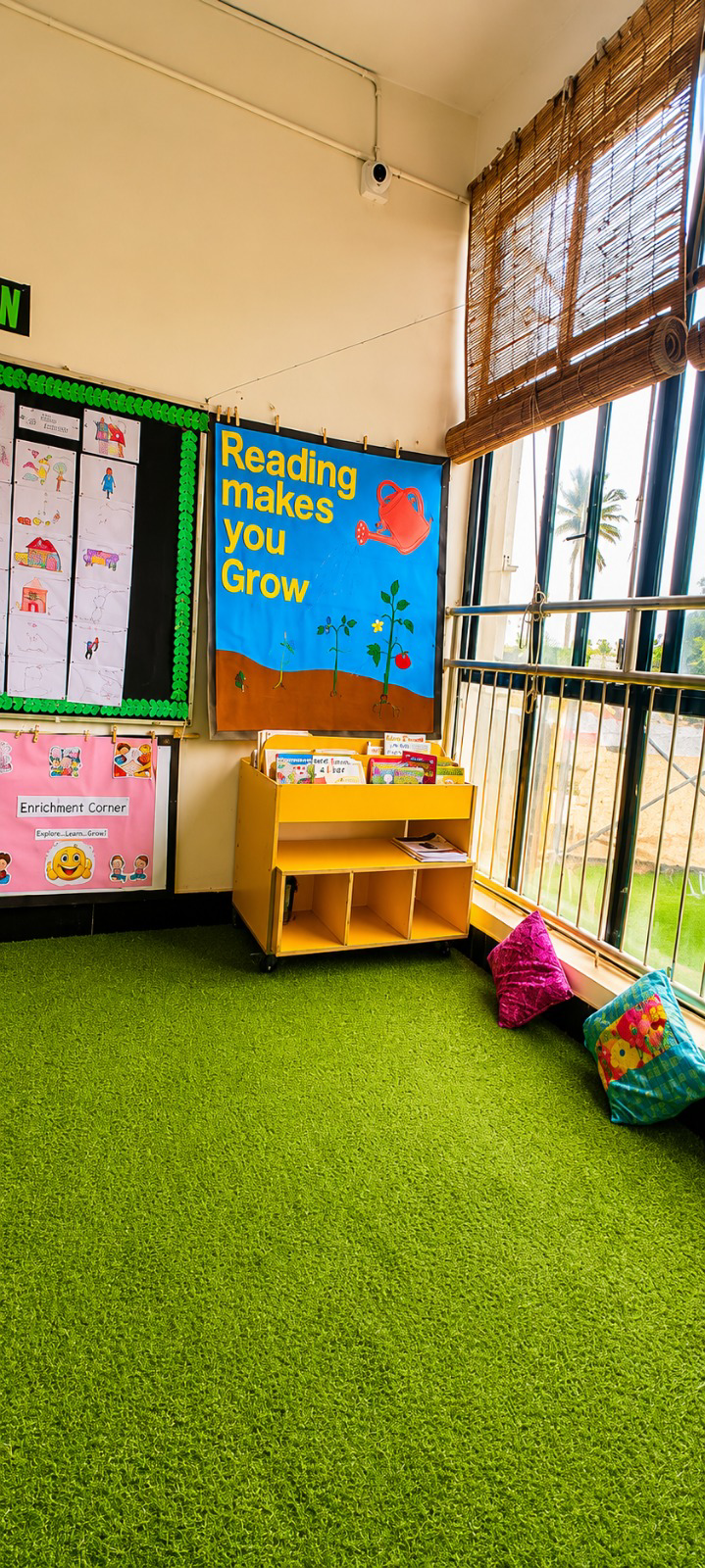
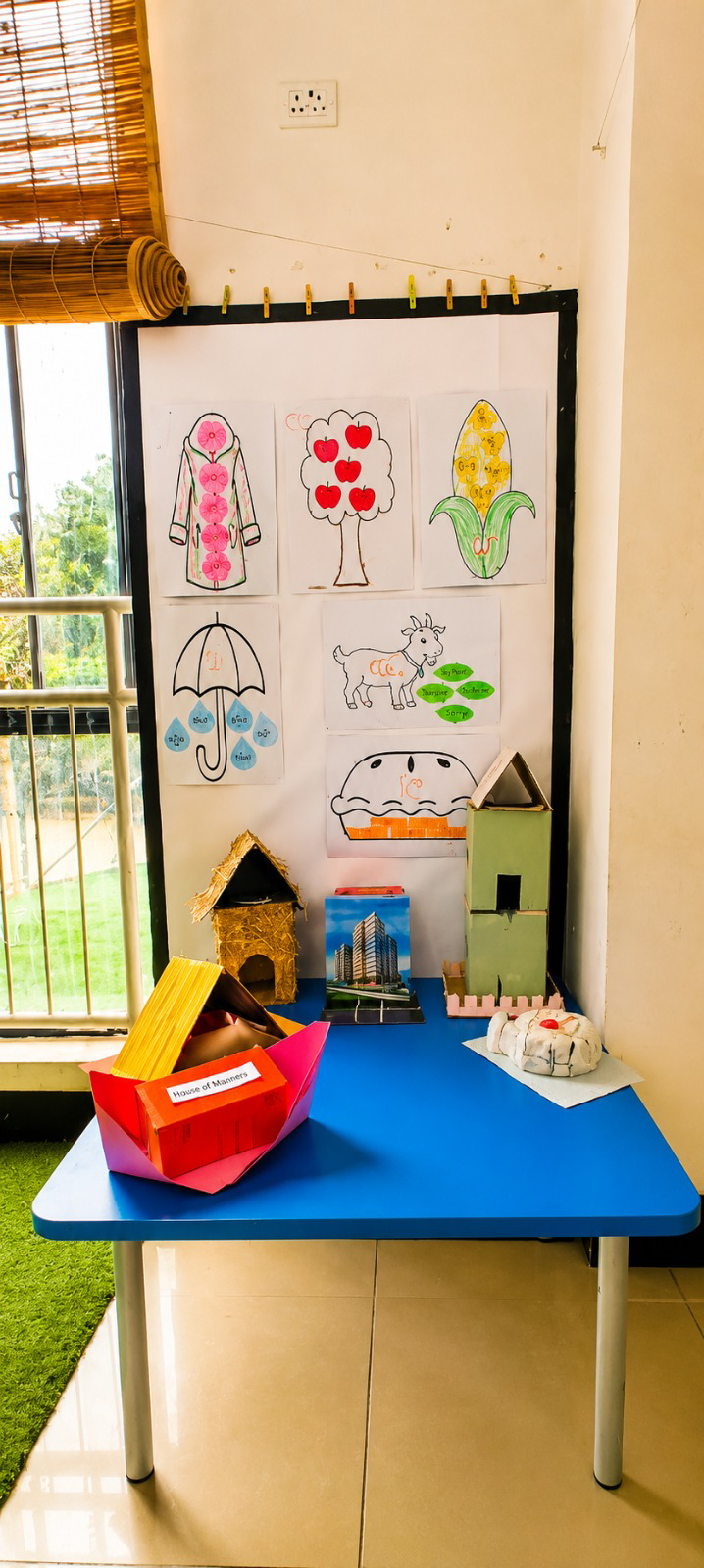
Classroom Arrangement Description
Sitting Arrangement – There are six tables in the classroom—five tables with four chairs each and one larger square table with six chairs. The larger table is placed in the second row for students who require one-on-one support, allowing the one of the teachers to work with them while the other teacher conducts the lesson. It is positioned in the second row to ensure that the teacher does not block the board or obstruct the view of other students.
Circle Time Area – Circle time is planned on a mat to create a comfortable and relaxed environment that feels different from regular classroom seating. It gives students a sense of freedom and encourages them to express themselves openly without the pressure of a formal lesson setting. The mat is spacious enough for 25 students to sit together, allowing everyone to see one another and encouraging active listening and interest in their classmates’ sharing.
Block Area and Reading Corner – The block corner and reading corner are placed at opposite ends of the classroom to support different learning environments. The block corner is an active and often noisy space, while the reading corner is designed as a quiet area. Keeping them apart minimises distractions for children engaged in reading. The reading corner is also positioned near the window to provide sufficient natural light, which is essential for comfortable reading.
Enrichment Corner – The enrichment corner is placed next to the reading corner so that students who complete their tasks early can engage in meaningful enrichment activities while waiting for their classmates. It is arranged on a mat instead of a table to provide a change from the regular chair-based classroom setting. This small shift in seating creates a sense of variety, keeps students interested, and provides a comfortable space for continued learning.
And Finally…
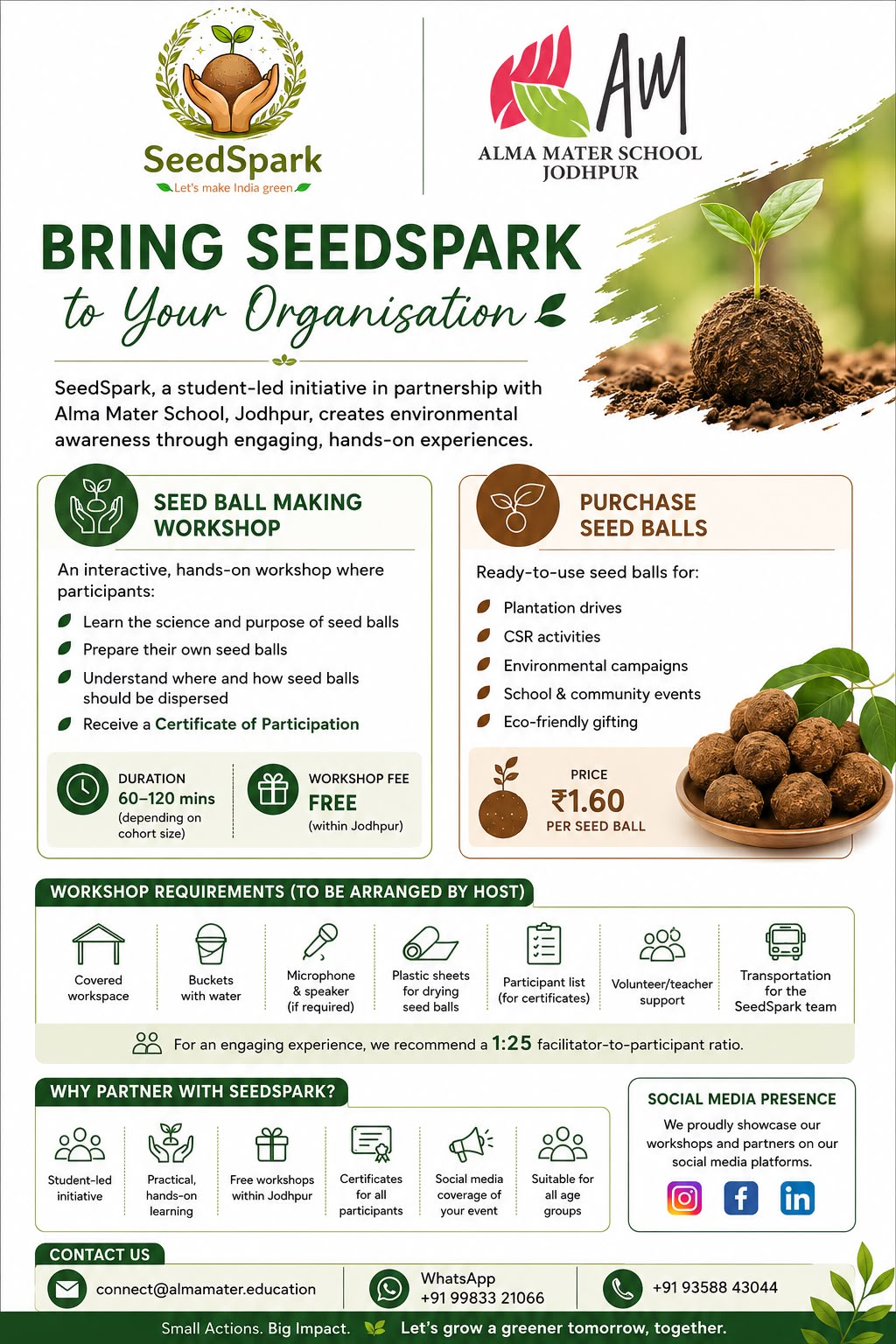
What if a small ball in your hand could grow into a tree, shrub, or grass and help make our planet greener?
This is exactly what our team has been working on through our school’s Entrepreneurship Club, SeedSpark.
Since 4th July, we have dedicated our time and efforts to making seed balls using sand, natural fertilizer, and native seeds. But we didn’t stop there. We visited different schools and organizations, introduced our initiative, demonstrated how seed balls are made, and inspired students and the community to become a part of this green revolution.
Every seed ball you throw has the potential to grow into a tree, shrub, or grass. We believe that every big change begins with a small action that can create a healthier tomorrow.
Now, we invite you to join us at Korna Village on 7th August, witness our work, and support our initiative.
Together, let’s turn small seedballs into a big change.
Dear reader,
My work in education includes designing learning ecosystems where students thrive, teachers grow, and schools build lasting cultures of excellence through innovative curriculum, evidence-based practice, and meaningful educational leadership.
Professional development with Ms Niv : Click below to find the teacher and student workshops and trainings I currently offer:
https://docs.google.com/presentation/d/1ypWO8KpVh56vhYqAMH4XoytLRKMXvwpCAfv3l3fryJQ/edit?usp=sharing
3-2-1 Tuesdays with Ms. Niv is a newsletter you can subscribe to and enjoy your learning journey with me.



Nice newsletter. Plenty of ideas !!
With warm regards
Dr. Deepa Srivastava Zonal Director VIDYA South Zone
Mob: +91 9986422009, +91 9019833980 Website: http://www.vidya-india.org https://www.facebook.com/VIDYAEducationAndEmpowerment/ https://in.linkedin.com/company/vidya-integrated-development-for-youth-and-adults https://www.youtube.com/channel/UC-2Tbv2yczSSkF6uzYtKkBQ https://twitter.com/vidya_india?lang=en https://www.instagram.com/vidya_india/
LikeLiked by 1 person