Nivedita Mukerjee
Education consultancy for parents and schools
3-2-1 Tuesdays with Ms Niv
Issue #333, 17th November 2026
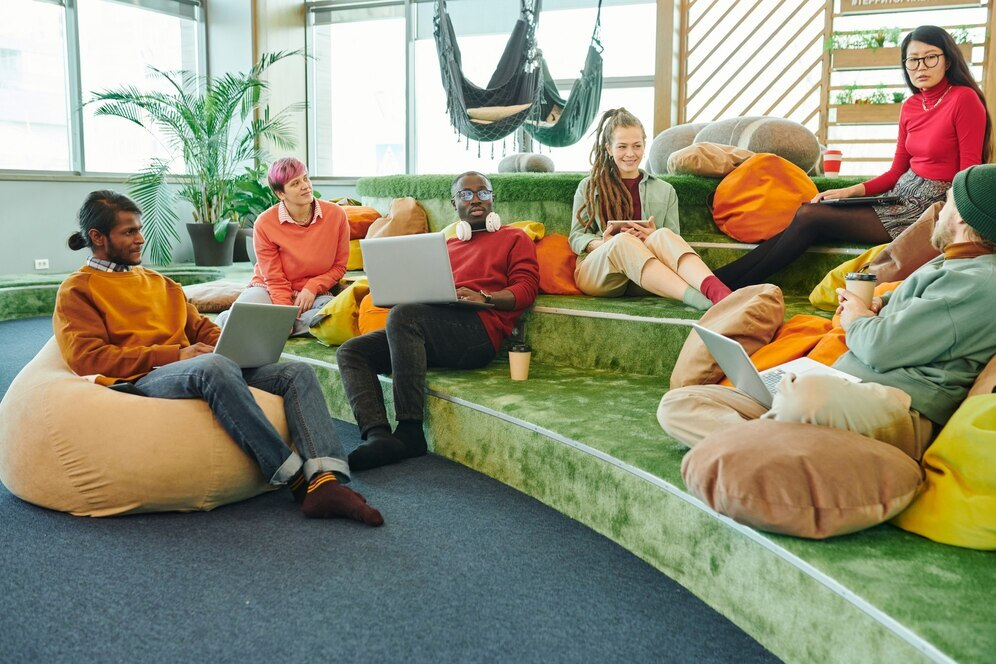
Education is shifting toward technology-integrated, student-centered, and flexible learning environments. Do you see this around you? In schools and higher education? Schools are expanding or are required to expand beyond textbooks. Project-based learning, community maker spaces, AR (Augmented Reality) and VR (Virtual Reality). Are your schools and students experiencing skill-based training? Are you encouraging students to gather microcredentials and establish connections and understanding with the modern workforce?
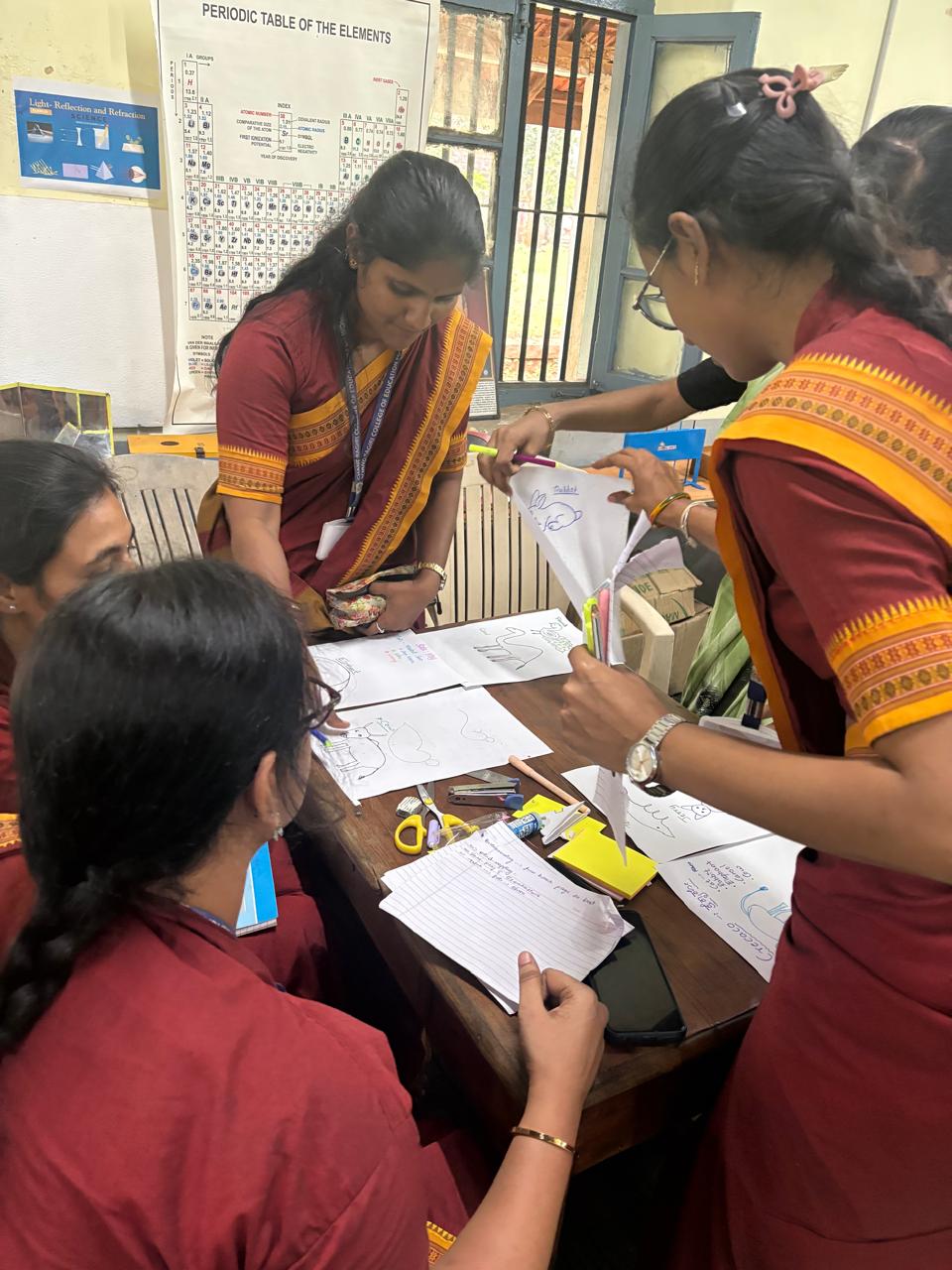
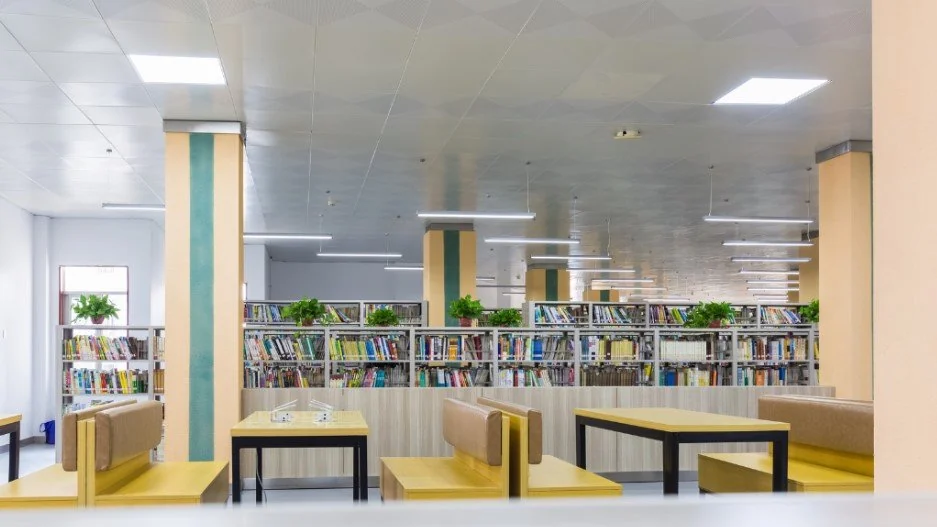
With all these trends, social-emotional learning in classroom is being recognised as being one of the core areas of learning and is moving from being supplementary to the core curriculum. Adaptable school leadership, informal learning environments like museums, outdoor settings, labs, and maker spaces, now offer effective complements to traditional instruction. Have you spotted these lately?
This is a free newsletter for parents, educators, and students. If you like my content, please subscribe by entering your email address here.
Three Images of the Week
Two Thoughts of the Week
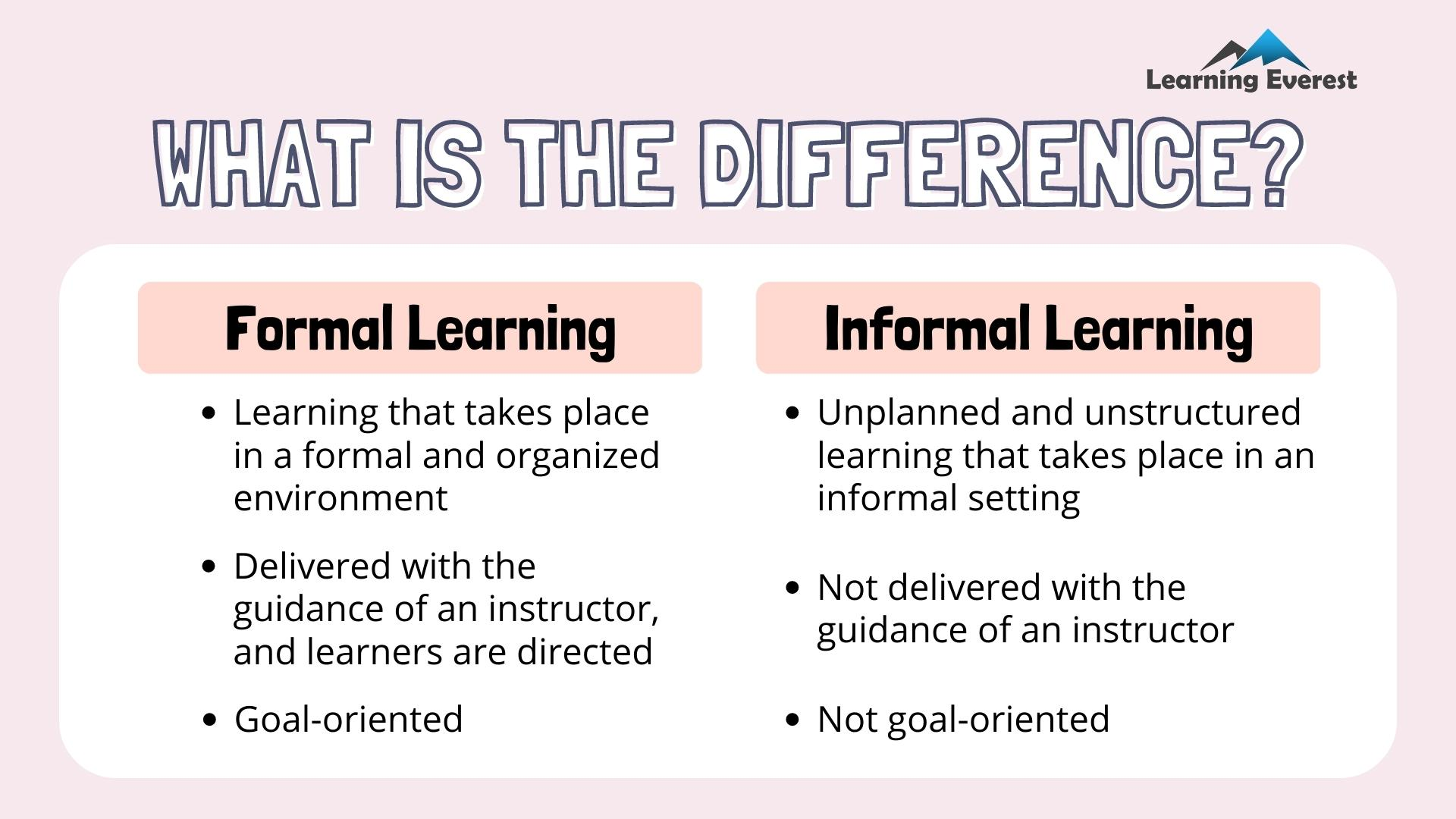
“Formal learning is like riding a bus: the driver decides where the bus is going; the passengers are along for the ride. Informal learning is like riding a bike: the rider chooses the destination, the speed, and the route.” — Informal Learning: Rediscovering the Natural Pathways That Inspire Innovation and Performance
Maria Montessori: “The work of education is divided between the teacher and the environment.”
One Video of the Week
In this talk about the dearth of science learning in Pakistan, Sabrina Dawood presents a case for developing informal learning spaces in Pakistan that can broaden our horizons and expose us to diverging ideas. Sabrina is the CEO of the Dawood Foundation and has recently launched Pakistan’s first Science Centre in Karachi to inspire the innovators, scientists, and the problem-solvers of tomorrow. Under her leadership, initiatives commenced are TDF MagnifiScience Centre – a first of its kind interactive space that aims to spark scientific curiosity and enhance critical thinking, TDF Ghar – a 1930s house restored into a safe space for youth which preserves Karachi’s heritage and culture, and the Nature Series – which creates awareness about Pakistan’s environmental treasures, their impact on our ecosystem, and their sustainability challenges, among other initiatives.
Sabrina serves as the Chair of the Hussain Dawood Pledge. The HD Pledge is a billion-rupee contribution of services, kind, and cash, to multiple organisations, for the mitigation and relief of COVID.
She holds an MSc in Medical Anthropology from University College London and a BA from London School of Economics in Anthropology and Law.
Reading with Ms Meenu: Tip of the Week
Can Artificial Intelligence Replace the Experience of Reading a Book?
Imagine a student who needs to read a 300-page novel for school. Instead of reading the book, the student asks an AI assistant to summarize the entire story in two minutes.
The summary may identify the main characters, important events and central themes. But has the student experienced the book?
Not entirely.
A summary can provide an overview, but reading a complete story involves much more than collecting information.
Readers encounter carefully chosen language, subtle descriptions, emotional changes and moments of uncertainty. They form their own opinions about characters and gradually discover how the story develops.
AI can explain what happens in a novel, but it cannot reproduce the personal experience of reading every passage and constructing meaning for oneself.
This distinction matters especially in education. When students depend too heavily on ready-made answers, they may miss opportunities to practise interpretation, analysis and independent thinking.
That does not mean AI has no place in the reading process.
Used responsibly, AI can help readers understand unfamiliar vocabulary, explore historical context, generate discussion questions or discover books suited to their interests.
Teachers and librarians can encourage students to use AI as a learning companion rather than a replacement for learning itself.
For example, students might first read a chapter independently and then use AI-generated questions to challenge their interpretations.
The value of literature lies not only in reaching the final page but also in everything readers discover along the way.
The message: AI can summarize a book’s contents, but genuine reading offers a richer experience of discovery, interpretation, and imagination.
Meenu Gera, Consulting Home and School Library Reading Guide.
Happy Reading!
For more information, please visit: placealibrary.ca
I Think, I Wonder, I Ask
–Dr. Shreelakshmi Subbaswami, Academic Director, Vijaya School, Hassan, Karnataka; https://vijayaschoolhsn.in/
Making Our Work Visible for Children
Our students spend nearly seven to eight hours in school with educators. They learn explicitly from the curriculum designed for them, but they also learn implicitly from the adults around them. The way a teacher speaks to a colleague, responds to a difficult situation, organises the day, manages time, makes decisions or approaches a challenge, communicates much more than we realise.
In schools, we provide opportunities for children to develop skills that are essential for life beyond school. We consciously break these skills down, make them age-appropriate and create experiences for children to practise them. But, have we thought about making our own skills, thinking and working processes visible to them?
Many children have limited opportunities to understand what it means to be a professional, work in a team, manage responsibilities or navigate challenges as an adult. Our close association with children gives us a wonderful opportunity to open this window into the adult world.
Imagine children observing how teachers plan together, conduct meetings, divide responsibilities or resolve disagreements. What if we shared stories of a project we are working on, the challenges we encountered, the resources we explored and how we arrived at a solution? Even documenting these processes through photographs, conversations and reflections can make adult thinking visible.
Parents, too, can share stories of their work with children. How a decision is made at work? How does one manage priorities? What happens when something fails? When children, as young as early years, get to observe how adults think, collaborate, navigate challenges and learn from their experiences, they begin to see these skills in action. It helps them make meaningful connections between what they learn in school and how people use these skills in everyday life.
Three questions for you…
- What aspects of our professional/ personal lives could we intentionally open up for children to observe and learn from?
- In what ways can we make our thinking, collaboration, problem solving and decision-making processes visible to children?
- How parents can bring their everyday work experiences into conversations with children?
Showcase
Thrive, A STEAM project for young learners https://thrivesteam.com/
Facilitator: Pooja Khattar
From Landscape Model to Map
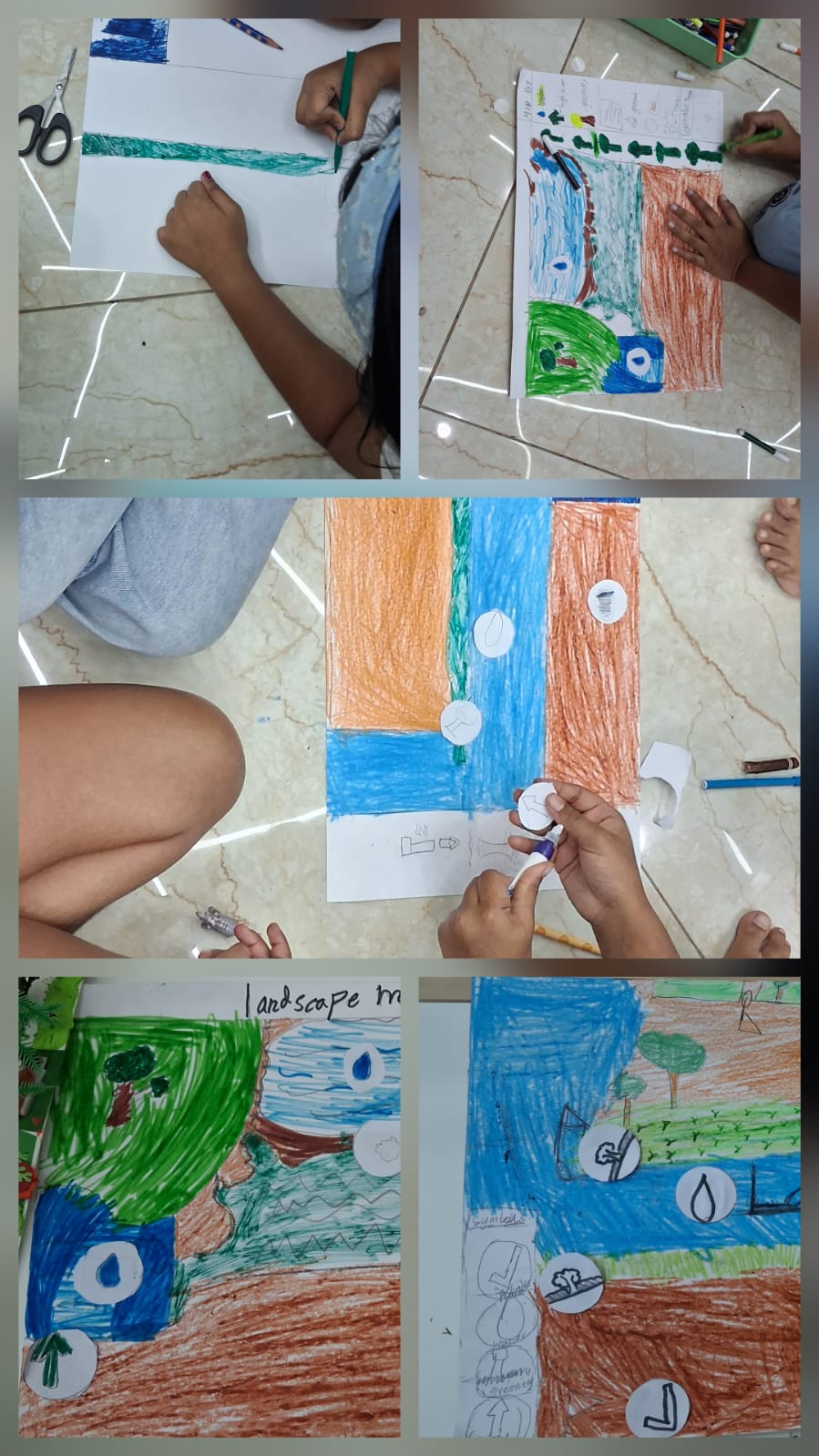
The workshop began with a recap of the landscape models created in the previous session. The children were then shown an aerial view of a city and its map. They were asked to observe both pictures and share what they noticed. In the aerial view, they identified buildings, greenery, water bodies and land. When they looked at the map, they noticed that these features were represented using different symbols for roads, water, green spaces and buildings.
After the discussion, the children worked in buddy groups to draw a map of their landscape model on a sheet of paper. They marked the water body, higher land, green spaces and selected site. They also created their own symbols by drawing, colouring and cutting out small circles and pasting them onto their maps. They added a map key to show what each symbol represented.
Krisha, the youngest in the group, actively helped each buddy group with colouring, drawing and cutting out circles for the symbols. The children also exchanged their maps with their buddies and tried to identify the different features using the map key.
Through this activity, the children learned how to show their landscape model on paper using symbols and a map key.
In the next workshop, the children will add symbols for houses, hospitals, malls and parks to their maps as they continue building their city map.
Krisha – 4 years 3 months
Maira Reddy – 6 years 1 month
Tara – 7 years
Yuvaan, Mayra and Neev – 8 years 1 month
Havishka and Samyuktha – 8 years 6 months
Dear reader,
My work in education includes designing learning ecosystems where students thrive, teachers grow, and schools build lasting cultures of excellence through innovative curriculum, evidence-based practice, and meaningful educational leadership.
Professional development with Ms Niv: Click below to find the teacher and student workshops and trainings I currently offer:
https://docs.google.com/presentation/d/1ypWO8KpVh56vhYqAMH4XoytLRKMXvwpCAfv3l3fryJQ/edit?usp=sharing
3-2-1 Tuesdays with Ms. Niv is a newsletter you can subscribe to and enjoy your learning journey with me.