Nivedita Mukerjee
Education consultancy for parents and schools
3-2-1 Tuesdays with Ms Niv
Issue #334, 24th November 2026
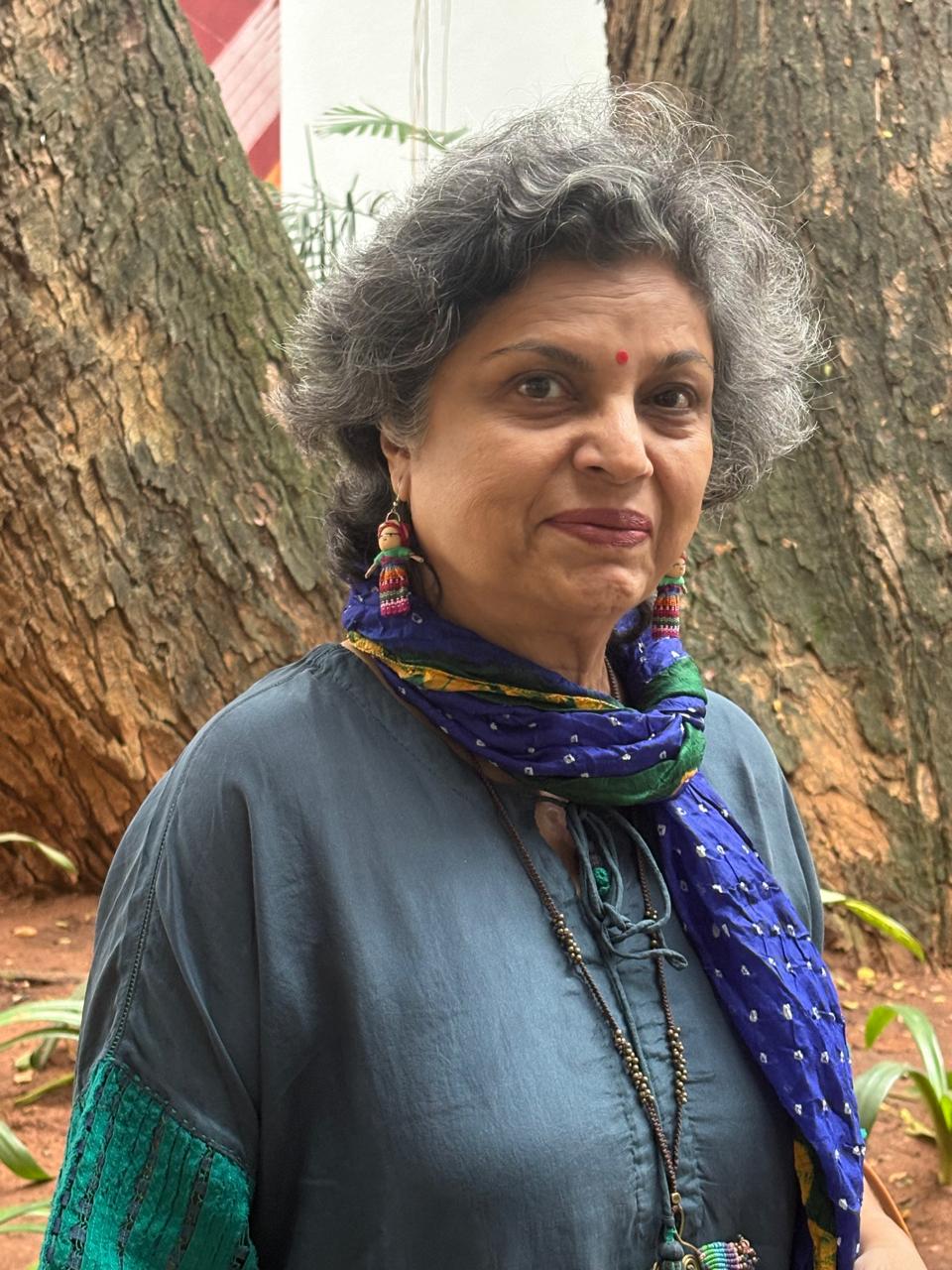
I picked up these Handmade, Guatemalan Worry Dolls from the Anthropology Museum in Cambridge UK. What intrigued me about these lovely, colorful, little dangler dolls, also known as Trouble dolls, is that they originate from the indigenous peoples of Guatemala. A local legend tells of a Maya princess named Ixmucane who received a special gift from the sun god, allowing her to solve any problem a human could worry about. Over the years, these dolls have been given to brooding, anxious, or sorrowful children. They would tell their doll about their sorrows, fears, and worries, then hide the doll under their pillow before going to sleep at night. It is said that the child relinquishes their worries to the dolls during the night, and by the next morning, all sorrows are said to have been taken away by the worry doll and they can move forward refreshed the next day. What was a practice by the mothers and grandmothers for their children and grandchildren is now used by counselors, psychologists, educators, and parents as a “troubleshooter”between child and adult.
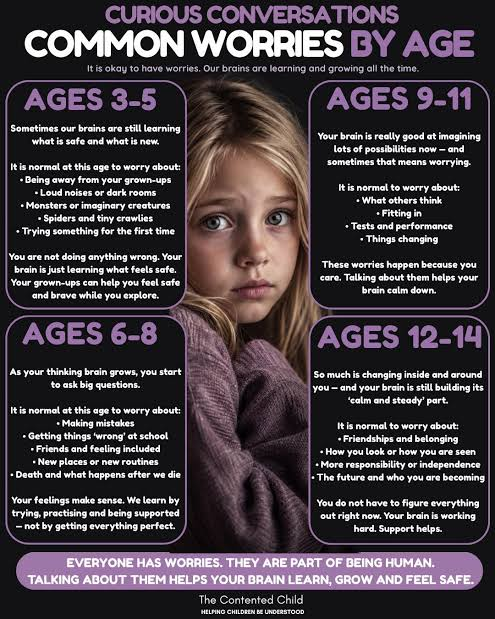
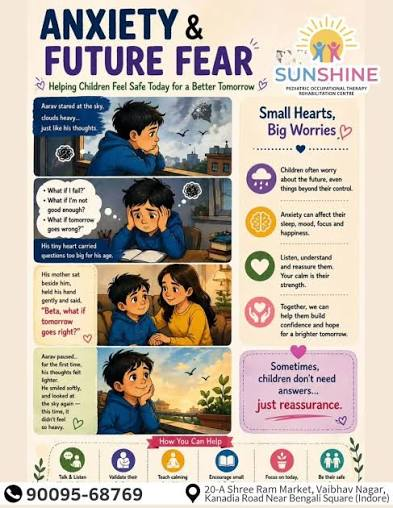
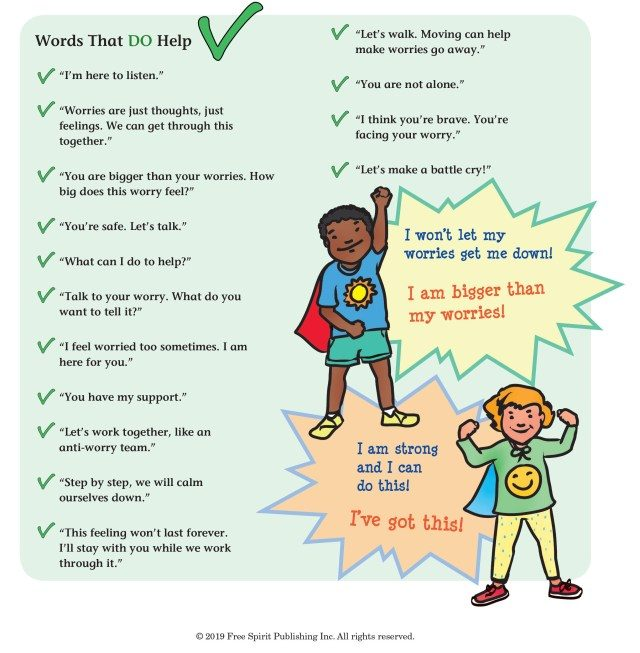
November, the month of celebrating childrens’ day. Shall we worry a bit about what worries our children? Shall we have some little worry dolls passed around as imaginary but trustworthy listener of their worries?
This is a free newsletter for parents, educators, and students. If you like my content, please subscribe by entering your email address here.
Three Images of the Week
Two Thoughts of the Week
“History will judge us by the difference we make in the everyday lives of children.” ― Nelson Mandela, anti-apartheid revolutionary and political leader
“It is easier to build strong children than to repair broken men.” — Frederick Douglass, abolitionist and statesman
One Video of the Week
Helen shares the story of becoming a children’s author, as a way to help children and their families through difficult times. Children’s author & founder of Monkey Wellbeing.
Reading with Ms Meenu: Tip of the Week
Meenu Gera, Consulting Home and School Library Reading Guide.
The Science of Reading — How Books Support Cognitive Development
Reading is often described as a doorway to knowledge, but its benefits extend beyond learning facts and improving vocabulary.
Research increasingly connects reading for pleasure with important aspects of cognitive development.
When children read regularly, they encounter unfamiliar words, complex sentence structures and new ideas. Understanding these materials requires them to make connections, interpret meaning and remember information.
A study published in 2023 examined data from more than 10,000 young adolescents in the United States. Researchers found that reading for pleasure earlier in childhood was associated with stronger cognitive performance, better mental well-being and differences in brain structure. While these findings are important, many of the relationships studied were observational and do not establish that reading alone caused every outcome.
https://pubmed.ncbi.nlm.nih.gov/37376848
Longitudinal research from University College London has also linked childhood reading for pleasure with improvements in vocabulary and mathematics performance, even after accounting for certain differences in children’s backgrounds and earlier achievement.
Reading can also support academic independence. Students who are comfortable understanding written material may find it easier to approach unfamiliar subjects and interpret complex instructions.
Importantly, reading does not need to be limited to textbooks. Fiction, biographies, comics, nonfiction and magazines can all introduce children to new language and ideas.
The strongest reading habits often develop when children are allowed to read for enjoyment rather than exclusively for examinations or homework.
Schools, parents and libraries therefore have an important responsibility to make reading accessible, meaningful and rewarding.
The message: Encouraging reading for pleasure is not just a literacy initiative. It is an investment in children’s long-term learning and development.
Happy Reading!
For more information, please visit: placealibrary.ca
I Think, I Wonder, I Ask
–Dr. Shreelakshmi Subbaswami, Academic Director, Vijaya School, Hassan, Karnataka; https://vijayaschoolhsn.in/
Some Risk is Good in Play
As a child, I was curious and adventurous about exploring the spaces around me. Climbing trees, figuring out how to cross boulders during a hike, or finding my way through uneven paths came quite naturally and was also nurtured by my father. These experiences helped me to take risks, explore uncharted paths and be courageous in both my personal and professional life.
As parents and educators, our first concern when children play is their safety. However, in our effort to protect them, do we sometimes remove opportunities for them to learn to manage risk? When we look at most preschool play equipment, we notice how carefully every element is designed to eliminate any possibility of a fall or challenge. But is removing all risk necessarily good for children?
Developmentally appropriate physical risk is healthy. Climbing, balancing, jumping and navigating obstacles help children develop body awareness, gross motor skills, confidence, autonomy and problem-solving abilities. They learn to understand their physical capabilities, assess their surroundings and make decisions.
This year, at our preschool we have introduced play experiences with elements of manageable physical risk. We notice children becoming more confident in gauging their movements, understanding spaces and gradually attempting challenges they once hesitated to explore. Equally important is how we facilitate this play. Instead of constantly saying, “Be careful, you will fall” or “Don’t go there, it’s dangerous”, we can say, “Take your time. Use your hands to hold on. Do you feel safe there? I am here if you need me…
I believe, our role is not to eliminate every risk, but to help children learn to recognise, assess and navigate it. Sometimes, the safest thing we can do for children’s development is to allow them to take a little risk!
Three questions for you…
- Do our words encourage children to assess risk independently, or do they make children fearful of trying?
- In what ways we can provide children opportunities to struggle, adjust, make decisions and discover what they are capable of during play?
- How can we create more opportunities for children to engage in nature-based and outdoor play that allows them to explore, take manageable risks and challenge themselves?
Showcase
Thrive, A STEAM project for young learners https://thrivesteam.com/
Facilitator: Pooja Khattar
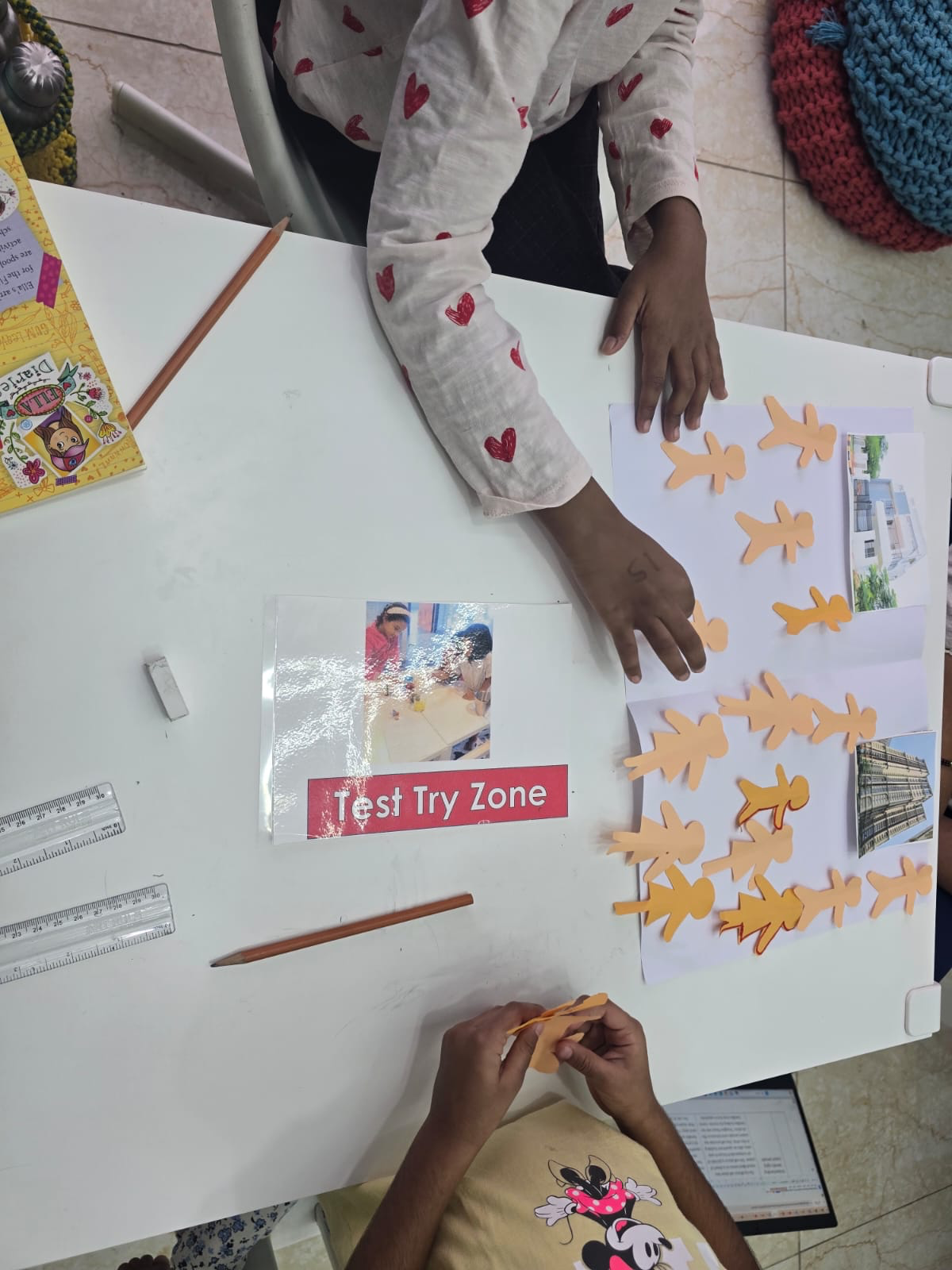
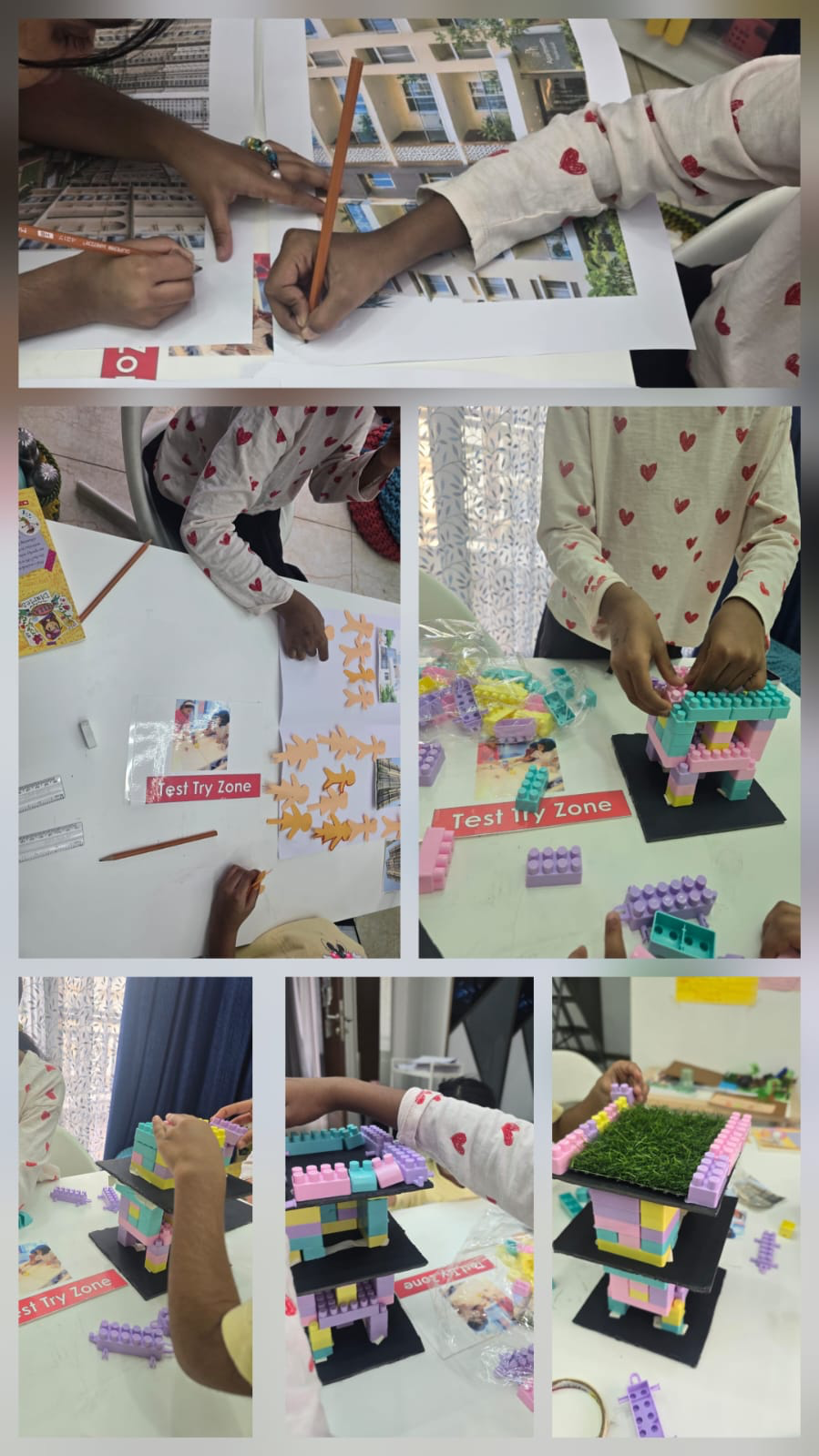
Build a neighbourhood. In today’s workshop, Krisha and Tara observed and compared two photographs of an independent house and an apartment building. They identified the differences in their floors, entrances, doors, windows and balconies. They discussed how an independent house usually accommodates one family, while an apartment building can provide homes for many families.
We introduced the word density and explained how the same amount of land could be used differently. Using ten paper people to represent ten families, the children explored how an apartment building could accommodate more families within the same space. They understood that building upwards with multiple floors helped provide more homes when land was limited.
During the buddy activity, Krisha and Tara worked together to build a structure using LEGO blocks, cardboard, masking tape and artificial grass. They selected their materials, planned their building and put the different parts together. They explored how the base supported the structure and learned why a strong foundation is important for keeping a building stable. They also discussed what might happen if the base was not strong enough.
Through these activities, they explored different types of homes, the use of space and the importance of a strong foundation. Krisha:4 years 6 months old. Tara: 7 years 1 month old
Dear reader,
My work in education includes designing learning ecosystems where students thrive, teachers grow, and schools build lasting cultures of excellence through innovative curriculum, evidence-based practice, and meaningful educational leadership.
Professional development with Ms Niv: Click below to find the teacher and student workshops and trainings I currently offer:
https://docs.google.com/presentation/d/1ypWO8KpVh56vhYqAMH4XoytLRKMXvwpCAfv3l3fryJQ/edit?usp=sharing
3-2-1 Tuesdays with Ms. Niv is a newsletter you can subscribe to and enjoy your learning journey with me.