Nivedita Mukerjee
Education consultancy for parents and schools
3-2-1 Tuesdays with Ms Niv
Issue #002
Hi! This is a weekly newsletter on education. Once a week, curated by me from amongst the articles, videos and long form articles that I read. Most of you would have been too busy to track trends in education, ponder on most relevant thoughts or deliberate on career choice, parenting or pedagogy. Find it all here.
For whom? Students, educators and parents
When? Every Tuesday
Where? my blog post, register with your e-mail id, it is free.
I have been a research scientist, a journalist and an educator over 3 decades. I read and I write. With this weekly newsletter, I intend to share what I read, learn and experience while I engage with students, parents and teams of teachers across K-12 schools, higher education institutions and ed-tech organisations.
3-2-1 Tuesdays with Ms Niv is a newsletter for you to subscribe and enjoy your learning journey with me. This week, it consists of: 3 images, 2 thoughts and 1 video.
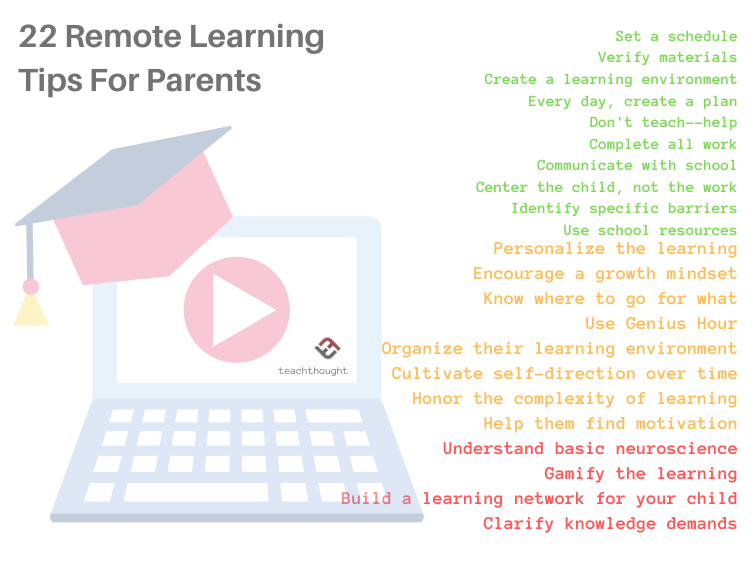
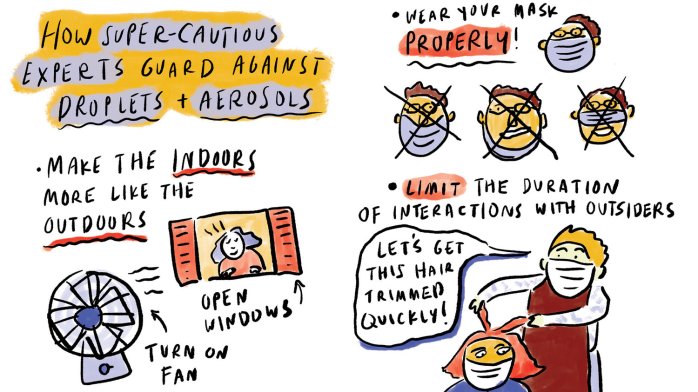
Three Images For The Week

Two Thoughts For The Week
“If you compare yourself to others, you may become vain and bitter; for always there will be greater and lesser persons than yourself.”―
“If the ladder is not leaning against the right wall, every step we take just gets us to the wrong place faster.”―
One Video For The Week
I use pencil, a lot. Every day. Even while I do most of my work on my laptop and phone. What about you? I find it satisfying in many ways – the scratchy sound it makes while writing, the way it goes blunt with use and the act of sharpening it, the overwriting, erasing and doodling with it getting lighter and darker strokes by varying the pressure applied…
Here’s a story of this perfect writing instrument that we all begin our writing journey with and continue using over the years.
Showcase For The week
Product review : Code with Korbo


Last weekend, I finally decided to open this storage box that has been waiting for my attention for a couple of weeks. It contained a set of gears, cylinders, connectors, cross connectors and some platforms. As I usually do with any product or book that comes to me for review, I see, touch and even smell it before engaging with it.
- The materials were plastic but not plastic-y. The edges were smooth to handle and the sound they made while fitting and moving around had a nice satisfying ‘click’ to them.
- The colors were a mix of bright and pastels and looked quite attractive when put together.
- They did not emanate any smell which one gets from cheap moulded plastic play materials.
- They were large and edged enough to not invite any kind of swallow.
As I got around to reading the handbook, it was clear that this was more than a building set. It is to develop skills like logical thinking, creativity, collaboration… while working on STEM (science, technology, engineering and math) for preschoolers. The foundational thinking process of Coding!
There are chapters in the handbook like coding and decoding, algorithms and sequences, data analysis and logical thinking. There are instructions for the teacher, worksheets, exercises with pictures of the assembled materials, that are quite simple to understand and execute by any adult who is assisting the child with the learning. I quite liked the chapter on Functions that includes a fairy tale and the student solves tasks, riddles and puzzles leading to the discovery of algorithms.
I think the set is quite an interesting way of learning to code without computers and is something that the child can continue to play and explore even after the actual lesson is finished. Which is attractive for me as an educator. Open ended materials, that serve the primary objective and continue to engage beyond the formal lesson.
If you have created any material, virtual or physical that you think can be reviewed and/or featured in this news letter, please feel free to write to me at : niveditamukerjee10@gmail.com
This weekly newsletter is supported by:


And


3-2-1 Tuesdays with Ms Niv
Hi! This is a weekly newsletter to read, think and learn with me and fellow readers. It is free for all who follow my blogpost.
3-2-1 in this Tuesday’s news letter consists of: 3 images, 2 thoughts and 1 video that I have curated for you to ponder, learn and enjoy this week.
For whom? Students, educators and parents
When? Every Tuesday
Where? my blog post, register with your e-mail id, it is free.
Three Images For The Week
Peer observation for teachers

Self-care bingo for adolescents and adults

16 Habits of mind

Two Thoughts For The Week
“You’re off to great places. Today is your day.” – Dr. Seuss
“Anyone who has never made a mistake has never tried anything new.” Albert Einstein
One Video For The Week
The Explore-Exploit Trade-off while making decisions
The irrational decisions of babies are cool as they are in their explorative phase while the consistent decisions of the old isn’t boring because they are being optimal. Right?
If you ever struggle to make decisions, here’s a talk for you. Cognitive scientist Tom Griffiths shows how we can apply the logic of computers to untangle tricky human problems, sharing three practical strategies for making better decisions.
Showcase For The Week:

How does theatre in education inspire collaborative and creative thinking, critical appreciation and problem solving skills in students? What kind of techniques can be used in the classroom to make learning an exhilarating experience?
Join us in discovering the joy of learning with renowned thespian Mr.Feisal Alkazi. Mr. Alkazi is known for his use of theatre as a medium to give positive experiences to children by allowing them to explore the outside world and voice their opinions. He will be teaching us techniques for harnessing the power of theatre to teach various subjects.
Register here:
https://us02web.zoom.us/webinar/register/7215947134631/WN_AtttDo3FSaucJcDvr2eoGA
If you have created any material, virtual or physical that you think can be reviewed and/or featured in this news letter, please feel free to write to me at : niveditamukerjee10@gmail.com
This weekly newsletter is supported by:
And
Need a mood lift? The magic lies in your 5 senses. Create sensorial experiences for yourself and your child while homeschooling

See the clouds floating above. Watch the bees buzz. Follow the ant line.
Get up and smell the coffee. Go out and smell the roses. Put on some perfume.
Lick the chocolate from the mixing bowl. Munch on cucumbers. Have a mango feast.
Listen to music. Put out a wind chime. Read aloud a poem. Feel the wind on your skin.
Enjoy flicking the bubbles of lather while washing up. Play with sand and pebbles.
See. Smell. Taste. Hear. Touch. Be in the moment with each of your 5 senses. Learn, experience, live. A physiological way to manage your and your little one’s psychology during this period of extreme and prolonged isolation.
Here are my tips as an educator and parent for simple, everyday experiences that you can create at home. I have mentioned a couple of possibilities for each sensorial experience to give you an idea. Young children are sensory motor scientists. Once you initiate, they will lead the way.
See
- Watch the shape of clouds and imagine. Discuss what they see in which cloud and what you see. Name these shapes and imagine a conversation between the two/three characters that you and your child/ren have conjured up. The cool part of this is that this can be done in as little as 5-10 minutes or continued as a much longer and involved game with clouds changing shape or stories becoming creative and can be a continued conversation for days together besides possibility of actually creating your own family story book with words and illustrations. If you do it during the day, you have the additional advantage of getting your dose of vitamin D.
- Find an old family album and talk about the pictures of your child as a baby or your own and your parents of younger days. The group photos of family. Your/your child’s class photos would make great talking points while looking deeply into the hairstyles, dresses, backgrounds and facial expressions. Phenomenal connection with family members and vocabulary building would happen, not to mention the observation skills that would go a long way in building focus and an eye for detail.
Hear:
This one is my favourite one. I have often used music during teaching and training sessions for both children and adults and the results are simply phenomenal. Most teachers who have used this in their classrooms would agree.
- Choose a favourite song of yours whether instrumental or with lyrics and sit calmly with your eyes closed for at least 2 to 5 minutes. Do the same with your child/ren’s favourite music/rhyme as well. Just hear it together with eyes closed. The quiet that would follow would be priceless in managing your and your child’s moods. You can use your sense of hearing by just sitting quietly near an open window or outside of the walls of your home. Listen in to all kinds of sounds that you may hear and make a mental list of all. You may want to compare notes with your child/ren about it after the quiet time.
- Collect different kinds of materials and/or instruments at home that can make sound, take turns to play the instrument/s behind a curtain to just hear the notes and texture of sound being produced which are different from one another, in a guessing game. Even simple materials like whistles, spoons on plates, striking on glass tumblers or bowls filled with water upto different levels, pebbles in a box, seeds in a paper bag, ladles on inverted plastic buckets, rustle of leaves, besides musical instruments like keyboard, guitar, flute, harmonica would give a great sensorial immersion of tuning in to sounds of the moment.
Smell:
- Go ahead, smell the spices one at a time, real fruit smell, smell of cooking flat breads, baking, scent of vanilla, chocolate, coffee and even laundry and cleaning agents. What emotions, memories, visuals do they evoke for you and your child/ren? There is a deep association of smells with memories. Remember your mom’s perfume? The unique smell of your baby? Your dad’s shaving lotion? Your grandmother’s pickle? Dwell into those memories for a few minutes. Embark on a journey that a few seconds of smell can take you along.
- Take a walk around your home and discover how the different rooms of your home smell different and what you feel about it. What can you do if some space does not smell right or the shoe shelf stinks? a bowl of fresh flowers/potpourri, airing the space, lighting a candle or incense, dusting and mopping… bad smell has an impact that impacts the mood and feelings in an instant. Just as it is difficult to feel angry when you can smell a great fragrance of food or flower.
Taste:
- Licking your fingers or smacking your lips of jams, chutneys, sauces, cookie dough. All things that you can enjoy with your child/ren and can pry you out of gloom. It will bring your thoughts right into the moment of experience. Try it!
- Set up an interesting blind tasting fest yourself or create a little quiz for your child/ren to play. Put out some bits of various edibles – solid bits, liquid potions, pastes and powders and see if you can classify them as sweet, savoury, sour, bitter, umami. One at a time or if you can make a concoction of more than a few kinds of tastes.
Touch:
- If you can, have a bath tub day with your child once a week. When you can enjoy the lather, the feeling of cozy immersion, float and sink a few things along with yourselves. Skin is the largest sensory organ of your body. Water does miracles to your not so solid skin 🙂 it literally reaches you inside through its million pores. While at it, if you can give a wash to your pet as a joint project. It is a great sensorial experience for all involved.
- Hug. Kiss. Caress. Often and then some. Do some grooming to each other. Enjoy a head massage a hairdo or makeup that your child would be excited to experiment with and do the same to your child. Be a character from a story book. Collect swatches of various textures like velvet, wool, sandpaper, grass mat and say a net. Put them in a box or in a bag to touch and feel. It makes for a good in the moment sensation. If nothing, have a plush toy or a squeezy ball to play with your child/ren. Slime, shaving foam, corn-starch paste make great touch play with all ages of children. I have enjoyed playing with the cornstarch paste goop for the longest possible time with teenagers while just chatting with them, giving them something to do with their hands. While at it, do not forget popping the bubble wraps 🙂
Finally, give your rational mind a break as you take in the environment around you with all your senses. Each one of the senses is as precious as the other in giving you and your child’s emotions an instant fillip.
Have you tried any such activity in the past? Do share if you have. If you have not, go ahead and try one each day of the week at least and on the weekend, give them a go all at once. How did it go, let me know. Looking forward to reading your sensational sensory experiences.
Subscribed to my blog yet? Please do it to get it in your mail as I publish new ones.

How to survive this perfect storm and teach life skills to your child?
No eating out. No hugging friends. No inviting people home. No going to people’s homes. No travelling. No theatre. No museum. No hanging out. No school. No college. No canteen. No playground. No…
There are so many “No” category of activities since February 2020 that it feels like a deep dark tunnel with no light at the end in sight. It is confusing for young children and is frustrating for both young and old. Parents, as I speak with them on an ongoing basis, are finding it very difficult to manage their own emotions and regulate the behaviour of their children.
Over these past few months, here is what I have found out while talking to parents that has been helpful. The educator and parent in me looks at it as a great teaching moment for the phenomenal lifeskill of self-regulation.
Why do children and adolescents need to learn to self-regulate, what we as adults know very clearly from the consequences of when we did/when we didn’t? Food, finances, relations…Isn’t it? When we are able to control our behaviour, our emotion, our communication or when we are able to manage procrastination, distraction, dejection – how it influences our decision making capabilities? How those decisions have had a long lasting impact on our own and our dear ones lives and livelihood.
As an educator I have witnessed how self-regulation prepares growing children towards achieving their – not only academic success and avoiding risky behaviour as adolescents but also becoming more productive and healthy as young adults.
Currently, most if not all parents are spending more time with their growing children at home. I see it is a great opportunity to role-model self regulation despite all being under the perfect storm of trying situations, from personal finance and health to the overriding fear of uncertainty.
How to survive this perfect storm and teach life skills to your child? Here are my top 3 tips.
Goal setting : In order to self regulate, it is important to define a Why. For that, setting a goal is key. Giving a voice and choice to children helps in doing that. For eg. the goal could be as basic as – playing. Have a small discussion with your child about it. What does s/he wants to play with (ball/blocks/video game/board game)? Who does s/he want to play with (by themselves/with siblings/with pet/with parent)? Where does s/he want to play (in the back yard/bed room/living room/terrace)? How long does s/he want to play(all morning/all evening/one hour)? What resources s/he would need towards fulfilling this goal (ball/board game/internet/paints)? This will help the child in preparing for it and more often than not, sticking by.
You can role-model it yourself by sharing your plan similarly – whether for a chore or work that you are going to do and circle back by sharing how you could/could not keep to your goal and what could you have done/not done towards the same. This will also help the child to handle either – when all goes per plan or fails. Which factors lead to the success/failure of the plan? Handling the emotions of a failure/partial success of a plan for reasons within/beyond control.
Problem solving : Once the goal is determined and choices are made, as we know, the path to a goal which might be simple or complex is still riddled with uncertainty. It will be in need of chunking and critical thinking. The skill of problem solving by taking apart the problem piece by piece and thinking critically to find a way ahead/around will be needed. What is the kind of flexibility and resilience that is needed to reach that goal that they have set out to achieve?
Adults can use the skills of brainstorming – pooling multiple ideas from different sources; questioning – posing open ended questions of why/how to the problem; reflecting – wondering about alternatives, taking lessons from the past of oneself or others and history. Taking the earlier example of – playing : If the board game pieces/internet is not available what are the other options? If a particular space of choice is not available where else can one play? If the specific play mate is unavailable then who can one play with? If that time length is not possible can it be paced out? This can be applied to complex problems of having limited availability of finances, devices, choices of any kind. The gentle beginnings of this thought process can be initiated and honed by using stories and the characters to discuss the protagonist’s problem, challenges, alternate ways of solving and most definitely by imagining alternate endings of any/all stories that we read or movies that parents watch with their children.
Persisting in the face of a challenge, finding creative work arounds, keeping the head on shoulder with calm and patience are somethings you can share with your child for situations you faced, when you did and when you did not and what was the outcome.
Self restraining: A great skill to build. Preschool teachers practice it with their students regularly by playing the popular game of Freeze Dance/ Statue. I have played it with my students of all years of K12 and actually even undergrad students as well. It is such a full bodied self and group activity that it is enjoyed across ages and promotes quick thinking and restraint at the same time. Playing music and stopping suddenly to freeze motion – calling out for an animal/emotion/character from a movie, any other variation is fun. The reverse, of having the participants move when quiet and freeze when music is on is a good one too. For children it is a practice of restraint as response to a stimulus. For adolescents it builds on this skill and strengthens the part of the brain that helps in keeping a resolve.
As adults, we can role-model this by doing meditation with them. Even working out a quiet time and staying still. Rituals like saying a prayer/gratitude before eating or waiting for all on the table to start/finish a meal or a course of meal is great in building this attitude of self-restraint. You would be able to discuss with your child in a structured way then, what would help in keeping the resolve. How distractions impact one’s journey to a goal and thus what is the result of deviating from the flight path on arrival at the destination.
All of us have been forced into making a sudden transition in our lives due to this pandemic. Emotions of sadness, frustration, aggression, depression are natural. However, the key is to not allow these emotions to be all consuming. It is a life lesson for one and all. We would need to take the responsibility of our own selves, our family and also of those who are finding it a little bit more difficult to grapple with uncertainty because of the uniquely specific situation they are in.
How are you setting an example of being a survivor in your family? In your community? Please share. We are all in the storm together but not in the same boat. We can learn to row better from each other.
Please feel free to share this post with your fellow parents and subscribe to continue to receive posts in your mail.
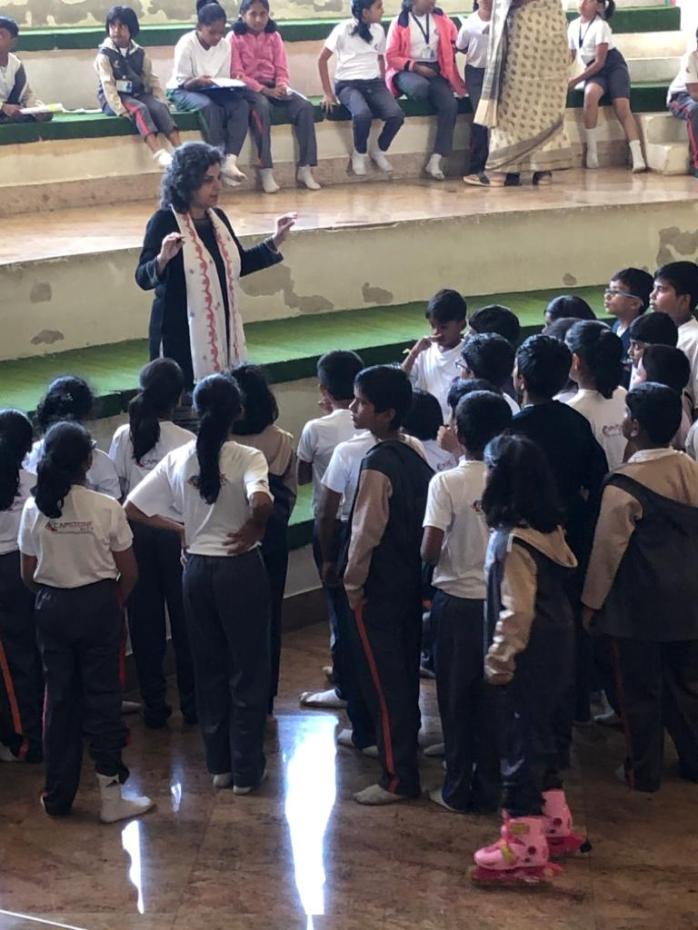
Schools are opening. Teachers are preparing for blended learning. Parents, are you ready?

In absence of the safety net of vaccine and in order to put millions of children world over back into school, blended learning is emerging as the mid path for schools and for higher education. This year for sure and who knows, perhaps going forward as well. Shall we prepare for it then? Educators are getting ready with their newly/additionally acquired tech prowess for online teaching. Students are trying and mostly succeeding with a smile on. Parents, it is your turn now.

1.Screen : What screen size is ideal for e-learning? the learning sites make it convenient for various devices – mobile, tablets, laptops and desktops. But what is the best for your child? The online lessons are supported by quiz, quick text responses, on camera show and tell, sing alongs, theatre sessions, read alouds … besides just informal chats with teachers and peers when it is nice to see the class mates large and clear. So would a horizontal screen of a smart phone do? ummm… in a pinch may be. For some level of tertiary education… may be. But for primary and secondary education that is working on blended learning, a larger screen, a full key board and clear audio would definitely make more sense.
If it is not a possibility to give your child/ren access to laptop/desktop all through their e-learning sessions, you could consider sharing the big screen devices in rotation so that everyone gets to use the large screen and full key board. You can also consider some improvisations like attaching accessories to the mobile. Noise cancelling head phones, a key board, a second hand monitor, all of which could be affordable solutions that would significantly enhance the online learning experience. It is also easier to monitor activity of the child/ren and limit the access to the device to manage screen time with a larger screen than handing them a smartphone.


A dedicated space for learning would be very necessary to have for the child to be comfortable with blended learning scenario. Your child/ren are going to spend time here ‘going’ to school and not just homework or test prep. Many of us as adults have created dedicated spaces for working from home during this long lockdown. Carve out such a space for your child/ren as well. Where there is quiet and comfort. The furniture is ergonomic and devices can be placed to work, with charging access, space to keep their textbook, notebook and relevant stationery, bottle of water and school bag. Pretty much replicating their class desks and cubbies.
If it is not a possibility to give dedicated rooms to your child/ren, corners in dining room, living room, bed room can be set up specifically with desk, chair, shelving/school bag and charging station. Places where members of the family do not play games and watch television. Spaces that have enough light and ventilation like the loft, the staircase landing, spare bathroom, a mezzanine, the extra bedroom of the house converted temporarily to workspace for entire family to learn/work from. That leaves the living room for gathering, watching TV, playing games, pets and extended family to still carry on with their routine without interfering with school/office work.
3. Schedule
This is the first time in history that adults and children both are working from home. Which means that schedules become even more important. This is not a vacation time for child/ren. They have to attend classes, do the tests, submit the assignments and appear for exams. None of this is going away anytime soon. It would become very difficult to play catch up on grade appropriate learning of school curriculum if they are lax now. Discuss with their class teacher/s on the timetable of online classes. See if there are enough breaks and discuss if you think more/less breaks than scheduled would help in your child’s learning. Teachers and the school will thank you for the feedback. Everyone is figuring it out so more we collaborate on making it work, more will be the chances of success. The partnership between parent and teacher for child development has taken a new dimension which requires parents to fill in more in education and the teacher, in emotional development.
Moving out from the designated study space to the dining area during snack and lunch times will be good to consider. Even for you when you are working from home and enjoy little breaks together through the day. It would energise everyone to have an off-screen time with real interactions and possibly play with the pet or even do part of a pending household chore that has been allocated to each family member. Perhaps even catch a quick nap. Doing something like painting, craft, making music, journaling with pen on paper, making 2D/3D project, skipping rope, putting a ball through hoop, working on a big puzzle over days would trigger different parts of the brain and are great off-screen activities.
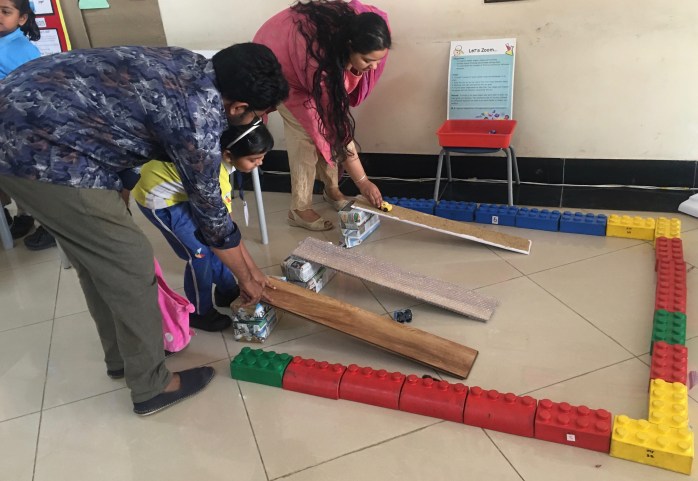
When times are stressful and unpredictable, a predictable schedule is a great way of managing emotions, getting spouse/extended family’s help to manage your child/ren’s needs and being productive at the same time.
So go on, discuss with your family how you can make Screen, Space and Schedule work for each of you. Then don’t hesitate to review it periodically and tweak. While at it, keep in touch with other school parents and share notes. Have your children set up play dates with video chats. Play online quiz and Antakshari. Visit online museums and travel shows together.
Schools are opening soon. Teachers are prepping for it. How are you setting up your child/ren for blended learning? Please share your plans with me and the readers of this blog. Do reply to this post and subscribe. It is easy and free 🙂
P.S. Here’s a picture from a science project done by govt. school children from the district of Belgaum, Karnataka, India. Projecting mobile phone on large screen. Meant to be used by the schools that do not have projectors or smart boards. How about making it work for blended learning at home?


You are not alone with your little one during #Lockdown. Lean-in.
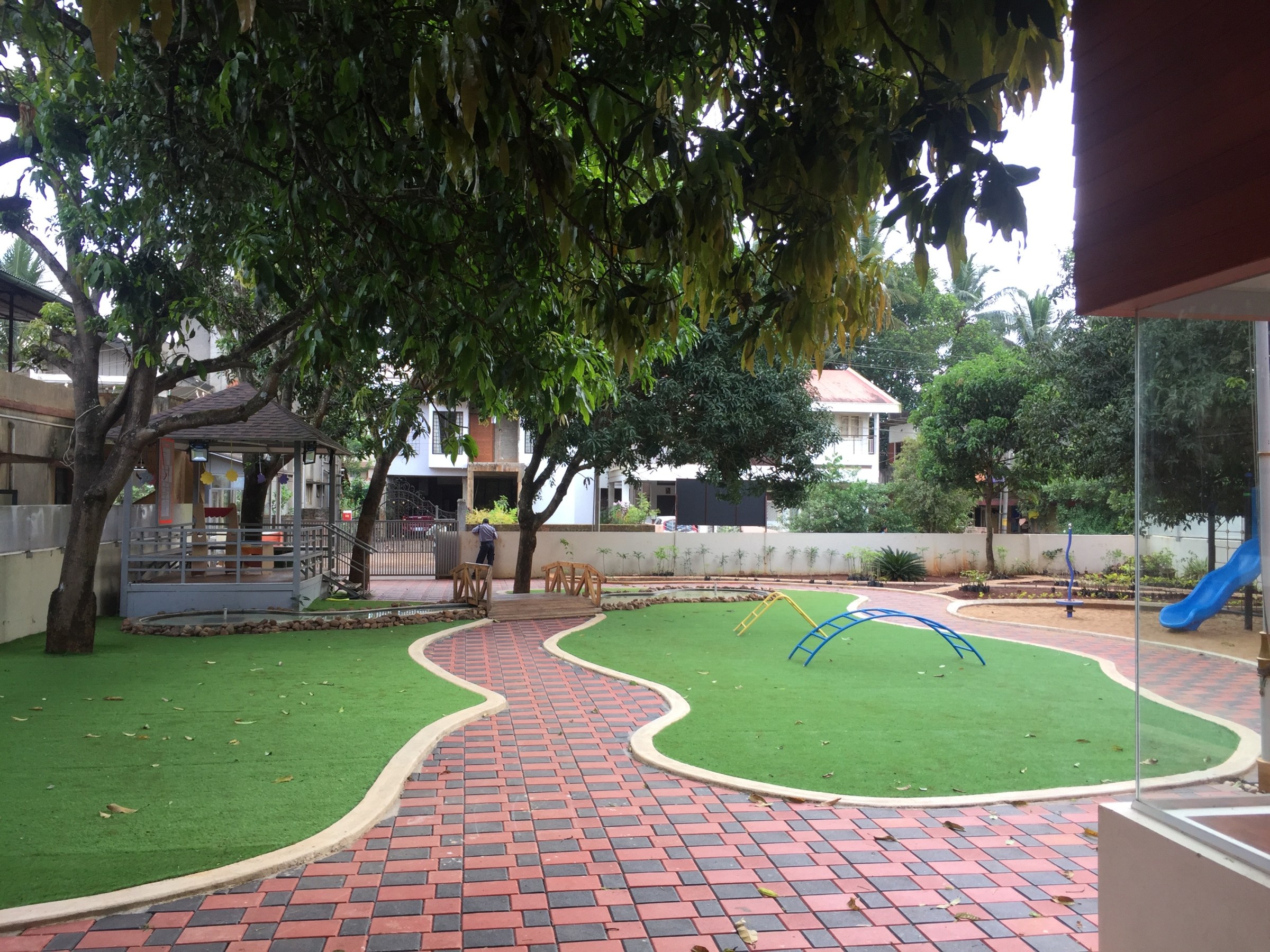
“Mummy I don’t like this (online) class. I can’t share this rubber (eraser) with my friend”. How can parents and teachers help this little one in her personal, social and emotional development when physical classrooms are closed?


Preschools are normally alive with the sounds of little children singing Good Morning and Hello songs… the playground abuzz with children on slides and see-saws, squealing with joy as they go on the swings and merry go rounds…Teachers with their little ones in tow going about their days with hugs and high fives… all of this has come to a screeching halt. The toys remain in their boxes. The educational aids on the shelves. The display boards have a film of dust and the artworks are curling up and fading.


Within days of the #lockdown, the internet exploded with resources and tips for creative ways of learning. The middle school and senior school teachers took to online learning and teaching. The primary school took to working on quiz and worksheets online. But, what about the preschool? The resources available online are not quite meant for early years of ages up to 8. What should a parent do? How can preschool teachers be the friend and guide to the parents to help sustain the learning and development of their young children?
Here are my 3 top considerations for teachers and parents as they lean-in on each other:
- What content is relevant now that is developmentally appropriate and student centred?
- How can the early childhood teachers and parents of young children let go of their BC (Before Corona) notions of how our children learn, and embrace the radically changed situation to re-skill and foray bravely into this new world presented to us DC (During Corona) and AC (After Corona)?
- How can both parents and teachers be sensitive to each other, those who are trying to work from and at home and teach their child/student while supporting their child’s learning and emotional needs?


Here are some of the things I know that teachers and parents have started doing:
- The teachers are trying to offer story time, song time, circle time via online classes for short duration of 10 to 15 minutes which the parent and child both can join in. It has been a relief for the parent within her/his work from home schedule when someone else they trust can takeover their child’s attention.
- The teachers are mostly trying to chat about the usual class routines that children are familiar with in starting their school day – like the weather, the day of the week, month of the year and calling out names of each child, registering them into their online class and acknowledging their presence. The yoga and/or the music and movement teacher is dropping in online for 10 minutes for them to move and stretch.
- Some of the teachers are using their classroom photos as a side window or a backdrop to convey to the children the comfort of the thought that the school and their classroom along with their teacher is still there.
- Preschool kits are being made by the teachers containing activity materials from stationery to play-dough, blocks and puzzles that are age appropriate, sanitising them and sending out in #COVID19 suited packaging that the parents can use at home.
- Preschool teachers and parents are subscribing and investing in educational aids that could come home to them so that learning remains hands on and experiential – to the extent possible.
- Teachers and parents are connecting online for short durations, one on one or grade wise, to share the concerns and finding solutions and sharing verified and vetted resources that are developmentally appropriate. Teachers are sharing the learning objectives and outcomes along with possible methods that a parent can execute at home.
- A teacher has brought out her Christmas decoration and another has brought out her Dasara dolls to show parents how to create a dramatic set for their child. One teacher has set up a classroom with stuffed toys giving them names of her students while conducting her online sessions.
- Teachers are helping parents to set out role plays centres at their homes with material available to develop the communication and imagination skills that are key for cognitive development during the early years.
- Teachers are sharing their skill of craft and art with parents via recorded video lessons that the child and/or parent can watch to learn and then share what they have created back to their classmates and teacher.
- Teachers have set up one on one chat rooms with parents to counsel them on their parenting concerns.
- Teachers are calling in children in smaller numbers onto the online platform to meet with the children and parents to communicate, teach and learn how best to approach the next session.
- The preschools are instructing publishers to send workbooks, activity materials directly to the teachers and parents to teach and use from their homes.
Learning has shifted out of our preschool buildings. Schools and teachers have not done this before! everyone is learning at the pace of crisis. Educators, especially preschool teachers are trying to figure out how to create normalcy during the time of a global reset.


Parents need to enrol their child in preschools to lean-in on the teacher and institutional expertise and the teacher has to trust and support the parent to extend learning to their child. School leadership would need to train the teachers as well as provision for educational aids for both teachers and parents.


Do share your thoughts, suggestions, photos of what you have done for your preschooler with me and the readers as your replies. Please feel free to share this post and subscribe with your email, it is free. I will continue to share the learnings from teachers, parents and my own experiences of this all new world of education.

#lockdown is time to be WITH and not VERSUS the teachers

Teachers are now the one big constant in the lives of our children. We need to rally around the teaching community even more than earlier. Much like how the society needs to be with the health workers – the school leaders, management and parents need to be with their teachers. Now and through the year as it is looking at lockdowns, staggered re-opening, online classrooms, e-assessments and students growing up in a world that has shifted within a few weeks for them to an entirely new paradigm.

Here are my top 3 suggestions to support teachers:
1. Walk away from policies and mandates: Give time and choice to your teachers to discover the online platform they are most comfortable to work on. Adopt a few until such time each of them gets used to what they would like to work on and teach with. If it means that the school will use several different platforms for transacting the learning for some time or for all the time, so be it. It is similar to teachers having their own preferred style of conducting learning in classrooms. It not only depends on their subject but also on their personality type and the age group and dynamics of their students. Not every online learning platform is suitable to everyone and perhaps not the designated learning management system that has been picked up by the school management. Keep that platform for uploading administrative details and assessments as per school mandate but not for conducting lessons online.
The readiness of each teacher and the adoption of an e-learning platform will have a learning curve. Now is not the time to force that. Neither is it the time to adhere to the policies of submitting lesson plan by a particular day of the week in a particular format or finishing a particular module within certain number of hours. When given a choice to the teachers to figure what works best for their subject or for them and their students without the additional stress of a mandate or a policy, they will be able to deal with their own re-skilling and learning better. Trust them.
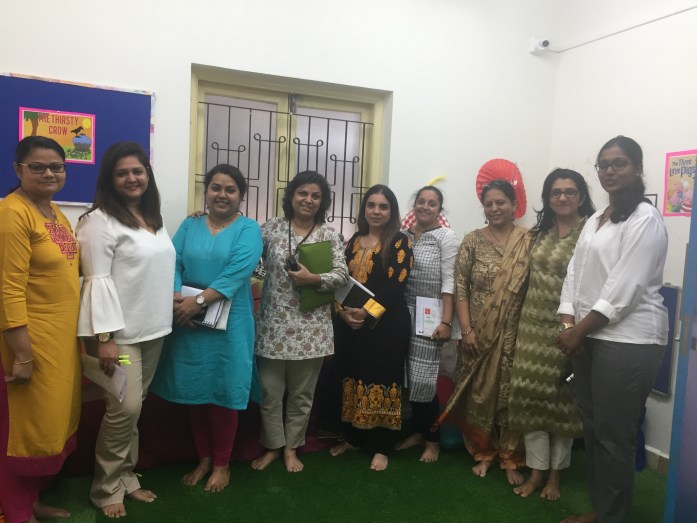
2. Support and encourage as a routine: If you are using a conferencing or meeting tool that you think would work for your child’s teacher, please volunteer as a parent to handhold the teachers into the platform. Let them try it out and figure if they are comfortable using it. Trouble shoot for them. Curate a list of platforms that might be useful for them to try. Curate videos or any other resource that they can use for their lessons. Go over your child’s curriculum for the year and discuss with the teacher how you can offer your assistance. Be with your child if you may while s/he is taking an online lesson but do not hover to critique the ways.
Teacher is new to this method, new to managing class dynamics online, new to getting cues from the children whether they have the attention of each student during the class or for that matter how much the learning is happening without the physical cues s/he was used to.
Administrators and school leadership have to bear in mind to schedule meetings one on one and/or in a group to offer support and encourage each member in their tryst to learn and figuring out. They are fixing their plane while flying it! It comes with its own anxieties. While at it, do remember to take time and take care of yourselves. You do not know exactly how to lead either in these times. You are also a learner.
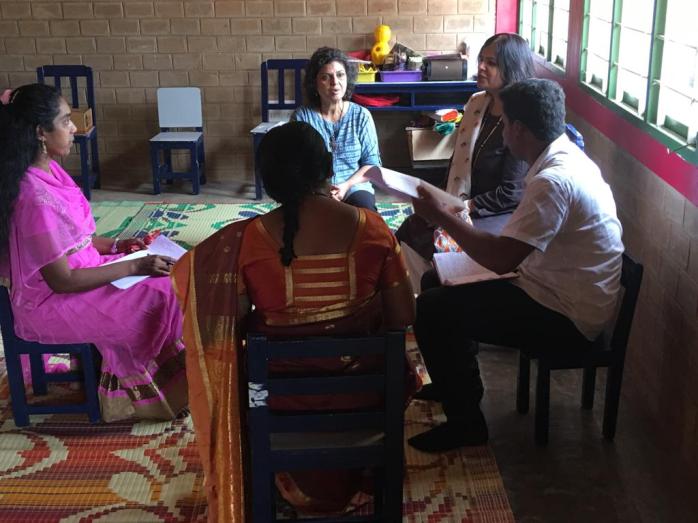
3. Communicate with grace: I can’t emphasise enough how much acting with grace is important at this time than any other. Each one of us is anxious with the uncertainties. Each one is grappling with our own fallibilities. Some of us are succeeding better than some other given our own individual unique physical, emotional, financial and family circumstances. Some days are better than the others, some days are worse. It was so in 2019 also but is accentuated in 2020 and is not looking to go away in a hurry. Keep your grace in communications with teachers. They will surprise you with their commitment.
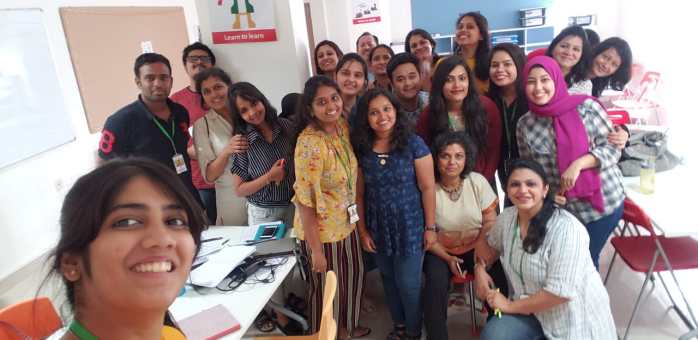
What are the LMS platforms you have tried out? What has worked for you? What would you suggest to your colleagues, peers, fellow parents? Please share with me and the readers. Please subscribe with your email for getting articles in your mail.


Screen time! seriously? In BC era perhaps but it is DC era now…

New era new rules. So the eras that are relevant for our students and/or children are BC, DC and then hopefully soon AC … Before Corona, During Corona and After Corona. These are the eras that I think should be considered to define the new rules for screen time. The expectations and negotiations with the Gen. Z (born between 1998 and 2012 – of the ages 7 to 22 in 2019) will have to consider DC carefully, with a new filter. How can the regular recommendations of WHO or of the various paediatric associations for the screen time, where time is the key measure, be possibly relevant in DC?
The key factors for considering screen time During Corona would not be ‘how much’ time but the following instead:
- What is the content that is being consumed :
- A violent game v/s content that is age appropriate, interactive, educational and/or a strategy game.
- Is the content making your child learn, think critically and problem solve, socially interact?
- Try out the content yourself and look at the reviews and recommendations for authenticity of what is being claimed by the content site.
- Who is the screen time being spent with :
- Is the time on screen spent along with you – a parent and/or teacher?
- With their grandparents co-watching something or playing a game with their peers/siblings that is age appropriate?
- Who is your child’s screen buddy at a given time?
- What can you/your child discuss while viewing a content or playing?
- Hw can you manage screen time as co-viewing for younger children?
- Can you create a set up where you can spend screen time that is more of co-engaging with your older children?
- Definitely check out the apps, games and sites that your children are spending time with to know more and make sure that they are quality experiences for your child/student.
Go ahead, learn from them and with them. Long hours of screen time alone is not appropriate at any age whether child or Adult.
When my much grown up son told me on a recent call that he is enjoying computer games while working from home and is finding it relaxing to do so after many years… it rung a bell. It is DC. This is not the time to count the amount of time spent with screen. It is how you spend it and who you spend it with. Theatres, Operas, Safaris, Museums, Games, Puzzles, stories, movies… from the best in the world is out there, and mostly free or very nominal subscriptions. Let us co-view with the younger ones, co-engage with the older ones and wade through the DC times staying safe with screen time indoors.
What have you played recently with your child? Which sites would you recommend for your students? Educational and/or recreational. Please share them with me and fellow readers and subscribe to my blog post here with your email to receive an update when I publish a new one. It is free 🙂
The 3 Cs and 2 Rs for school leadership during #Lockdown. Plan afresh, prepare anew

With the imminent extension of lockdown and schools remaining closed for a longer period, school leaders, staff, students, parents are grappling with uncertainty, confusion, expectations from themselves, helpless ness, anger and hope in various degrees at various times depending on what is up close and what needs to be mitigated on personal front. All this amidst the uncertainty of funding, paying overheads, admissions, school fees, new recruitments, maintenance of infrastructure and supporting the school community through this unnerving time.
Today is precious and tomorrow, whenever that is, schools will reopen. A deluge of worksheets, lesson plans, activity plans can be overwhelming to create by the teachers as well as for parents who needs to implement them . As a school advisor and mentor to the leadership teams across India, I am experiencing the varied challenges schools are facing. The school leadership is sorting them with their teams on an ongoing basis.
Here are my 3Cs and 2Rs for the school leadership to consider:
Communicate : If you were not communicating much earlier as a school leader, start now. If you were, increase the frequency even more. Communicate with your teaching staff, with your administrative staff, with your support staff, with your students, your parents, your board members, consultants, advisors and also your vendors. All who constitute your school community. Translate written communication into languages that they understand and are familiar with. Send short voice and/or video messages whenever possible. Communicate to inform, to support, to manage, to reflect, to share personal stories, to connect.
Contextualise : Think about the groups and individuals and structure, contextualise and customise your interaction as well as materials you are sharing with each member/group in the school community. For students it could be their interest areas and what is connected with the curriculum; for staff it could be about their professional development as well as about their family; for parents it could be about their tryst and tribulations as parents, about their child, about the transactions they have with their school from fee to books, uniform, transport as well as about how they can contribute their skills from cooking to counselling to the school community from their home; Any crisis management support that school and/or anyone within the school community might require and who can they reach out to. As school leaders, it is not only about your school board or students that you have to think about but everyone who is your connection with the student and the board.
Check-in : Make a routine to meet with your staff one on one/in groups so as to check-in with each one of them regularly, individually and in small groups. Do figure out how the school premises can be looked into to ensure maintenance and safety during the lock down period. What about the security, plumbing, electrician, gardener and other facility staff who may or may not be under your direct supervision. Where are they, how are they, can they do an inspection of the premises and also, if they need any support from the management.
Reflect : This is a good time to brainstorm with your advisory board (not necessarily the statutory board) of the school to review, reflect and grow. As a school leader, list out some of the key challenges you are facing personally and professionally that you may not be able to share with your team. Share it with the advisory board and brainstorm a way forward. Enlist a professional advisor or a coach, a mentor or a thought partner, a sounding board even to reflect and grow yourself and your school.
Relaunch : When you reopen the school after lockdown, it would be possibly like opening a new term altogether. Plan and prepare for how you would welcome your school community. How would you create a new bridge of understanding of the changed realities. Some of them would have suffered loss of loved ones, some of their jobs, some of strained relationships, some emotional breakdowns and some changed for a better self even. How would you create groups to collaborate, groups to support each other? What would be your starting strategy – jump in the session as if nothing happened or taking cognisance and acknowledging what each one has gone through in their own ways and bring them on the same page? How would you redefine your organisation’s goals and your leadership in this changed reality?
As school leaders, you will have to lead by showing exceptional grit and resilience, by communicating with empathy and clarity. Good time to think about it and chip away everyday preparing for leading your school community through it all now and thereafter. It is spring time isn’t it? plan afresh. Prepare anew.
How will you do it? Please share your thoughts in this blog post for me and fellow readers to read and learn.

#Janata Curfew – a panacea for #Covid19? well almost!

Why is this a brilliant actionable idea in India? Here are my top 3 reasons.
- It is a Sunday when most people would like to go out with families or call family and friends over for meals, prayers and celebrations. This will be effectively stopped. Most of our households comprise of 3 generations. Our seniors live with us. Children and young adults can be asymptomatic and bring it to their parents and grand parents. We do not have possibility of isolating the generations within our houses nor do we have adequate hospital infrastructure to ensure recovery for the fragile and infected. There would be an effective break in the chain of spread if people at home – 12 hours of curfew followed by 12 hours of night. (According to the latest studies, the virus remains viable anywhere from 4 hours on copper, to upto 24 hours on surfaces like cardboard, and a little while longer on clothing, plastic and steel).
- The two words – Janata (people) and Curfew are widely understood by people of all strata. Social distancing, may not convey it as directly and with as much severity. Stay home and do not come outside is very well communicated by Janata Curfew. If and when announced in the near future, it would be clearly understood by one and all.
- The other two words very effectively used as apt foreshadowing of the possible measures to be taken in the near future are – Sankalp (determination) and Sanyam (self control). These are culturally appropriate words, always professed by the wise in India irrespective of the religious sect we belong to. It puts the onus of our own well-being on ourselves.
A developing nation with its weaknesses and the largest democracy with its strengths – this is our India. For the 1.4 billion Indians, the Corona threat is real. Extent of impact to economy, health, psychology, society is unknown and the extent of prepared ness is questionable in the very least.
In the wake of all that, the call by Indian Prime minister Narendra Modi in his widely televised address to nation for Janata Curfew on Sunday 22nd March is a master stroke.
I have been following and advocating social distancing with my colleagues, friends, family and neighbours. I will follow the Janata Curfew and urge you to follow the same. India as a nation is being watched by the world. By the developed economies as well as by neighbours like China. Will we be able to deal with a looming threat to the healthcare, economy and life of our citizens? Are we strong and smart enough as a nation? Can we take care of ourselves kindly and responsibly?
Self isolate and stay safe.
Please subscribe to my blogs with just your email. It is easy and free 🙂
 Nivedita Mukerjee