Nivedita Mukerjee
Education consultancy for parents and schools
3-2-1 Tuesdays with Ms Niv
Issue #324, 15th September 2026
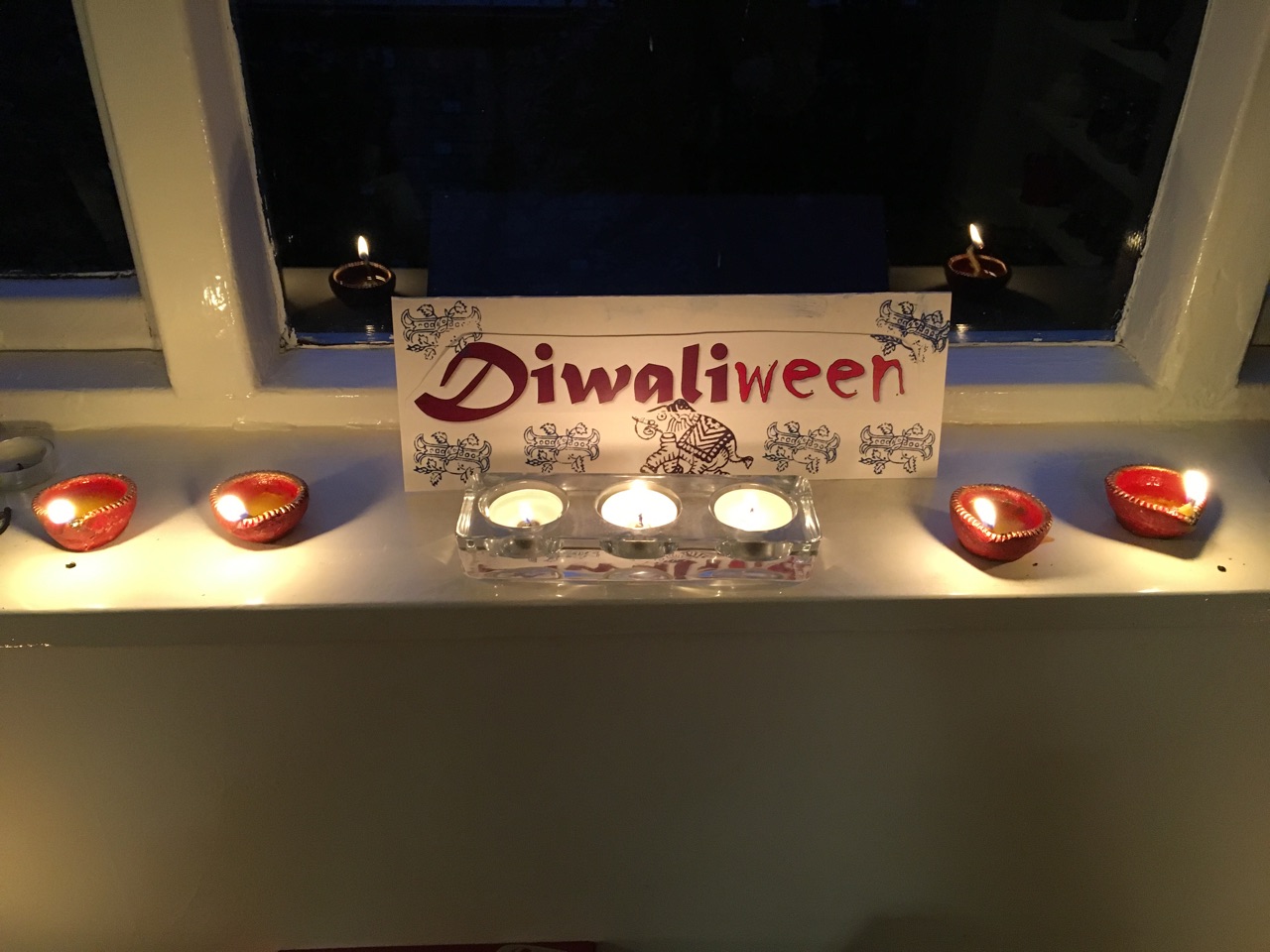
The festival season is here. Yay!
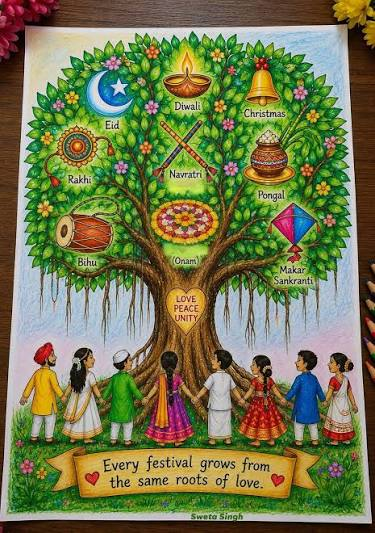
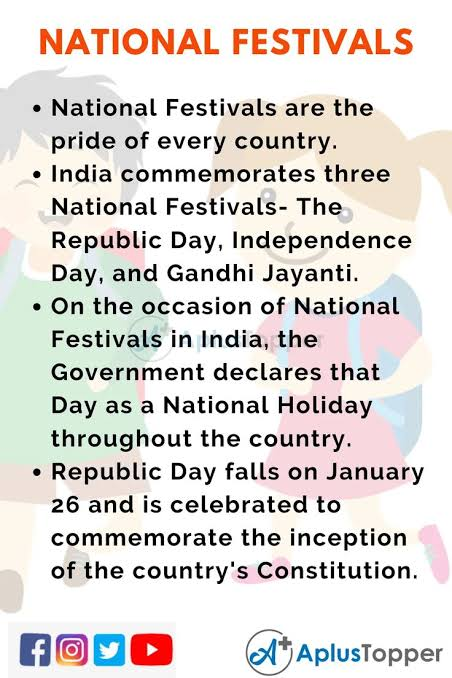
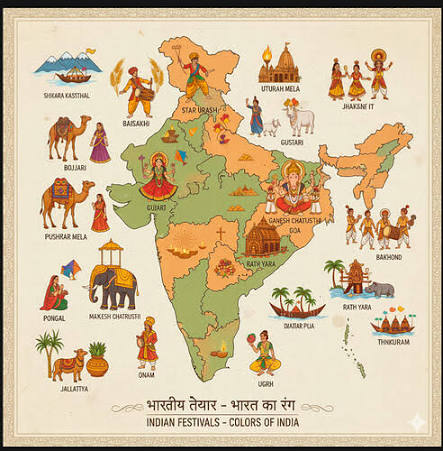
So what is your idea of celebrating festivals in school? Some of our festivals are national festivals, some are harvest festivals, and some are religious ones. What about those children who do not celebrate a particular festival at home? How do you introduce it to them in school? Do you have parents who object to their children being introduced to and/or participating in some festivals? Do you have colleagues who object to celebrating a festival in a particular way in the school? What do you plan as the learning outcome of the festival for children of different ages?
What about the fantastic art, music, dance, cinema, and theater festivals? Do you consider planning your trips to these festivals with your students/your own children? How do these connect in theme and spirit with the social fabric?
This is a free newsletter for parents, educators, and students. If you like my content, please subscribe by entering your email address here.
Three Images of the Week
Two Thoughts of the Week
“During the last fifty years, owing to the gradual impoverishment of the country and migration from the villages, these religious festivals have been considerably reduced and in some cases have ceased altogether. This has affected the circulation of money within the village economy and on the social side has made life dull and drab.”
― Subhas Chandra Bose, An Indian Pilgrim
“I am an Indian and we celebrate all festivals in every region of every religion. That is why it is called Incredible India!”
― Vinayak Muraleedharan
One Video of the Week
Meera shares her insights into the transformative power of narratives and her fervent role in the expansive Kala Ghoda Arts Festival. It takes a village to plan, curate and execute an Arts Festival. Meera’s Journey will take you through the rewarding chaos i.e Festival Production and the impact it has on our society. Get ready for an experience that will ignite your imagination and wonder! Meera, the stage is yours! Please welcome her with a huge round of applause. Meera Warrier is at the heart of the captivating Kala Ghoda Arts Festival, she embodies the spirit of creativity and culture. Meera’s boundless dedication and enthusiasm infuses this grand event with deeper resonance, seamlessly blending art, music, literature, and diverse talents.
Reading with Ms Meenu: Tip of the Week
How Can School and Classroom Libraries Support Struggling Readers?
For a struggling reader, picking up a book can sometimes feel less like an opportunity and more like a challenge.
When reading is difficult, students may begin to associate books with frustration, embarrassment, or schoolwork they cannot complete as easily as their classmates. Over time, this can affect not only reading ability, but also confidence and motivation.
School and classroom libraries can play an important role in changing that experience. A well-designed library gives students more than access to books. It can provide choice, encouragement, appropriate reading materials, and a safe environment in which students can develop as readers at their own pace.
Make Books Easy to Access
One of the simplest ways libraries can support struggling readers is by putting books within easy reach.
Students are more likely to read when books are part of their everyday environment rather than something they encounter only during a scheduled trip to the library. Classroom libraries allow students to browse during independent work, free time, or designated reading periods.
The easier it is to pick up a book, explore it, and put it back without pressure, the more opportunities students have to discover something that interests them.
Accessibility also means organizing books in a way students can understand. Categories such as humour, sports, animals, mysteries, graphic novels, adventure, and real-life stories may be more inviting than organizing everything strictly by reading level.
The goal is to help students think, “What would I like to read?” rather than, “What level am I allowed to read?”
Provide Books at Different Reading Levels
A classroom library should reflect the range of reading abilities found in a real classroom.
Struggling readers need books they can successfully read without feeling that those books are obviously intended for much younger children. This can be particularly important for older students whose reading ability may be below grade level but whose interests are not.
High-interest, lower-reading-level books can help bridge that gap. These books use accessible vocabulary and sentence structures while still exploring topics appropriate for older children and teenagers.
Graphic novels, illustrated nonfiction, short stories, magazines, poetry, and books with shorter chapters can also make reading feel more manageable.
The objective is not to make reading easier forever. It is to give students enough successful reading experiences that they develop the confidence and fluency needed to take on more challenging material.
Give Students Meaningful Choice
Choice can be especially powerful for students who already view reading as something adults make them do.
When every student is assigned the same book, struggling readers may quickly become aware that they are having a harder time than their classmates. Giving students a selection of books allows them to find something that matches both their interests and abilities.
A student fascinated by basketball may be more willing to work through a sports biography. Another might become absorbed in a graphic novel, mystery, comic, fantasy story, or book about animals.
Interest creates motivation, and motivation encourages practice.
Students who voluntarily read more often gain additional opportunities to build vocabulary, fluency, comprehension, and confidence.
Libraries therefore need variety. There should be many possible pathways into reading rather than one narrow definition of what counts as a “good” book.
Reduce the Stigma Around Reading Levels
Reading levels can be useful tools for educators, but they can become harmful when students begin to see them as labels.
A child who knows they are reading below grade level may avoid books altogether rather than risk classmates noticing what they are reading.
School and classroom libraries can help reduce this pressure by organizing collections primarily around subjects, genres, authors, and interests rather than publicly displaying ability levels.
Teachers can still guide students toward appropriate books privately.
This allows struggling readers to choose material that feels comfortable without broadcasting their reading ability to everyone around them.
Students should be able to experience reading as something personal rather than as a public measurement of performance.
Include Graphic Novels and Other Formats
There is sometimes a misconception that graphic novels, comics, audiobooks, or heavily illustrated books are somehow less valuable than traditional novels.
For struggling readers, they can be incredibly useful.
Pictures provide context that helps students understand unfamiliar words and follow the story. Shorter sections of text can make pages feel less overwhelming, while dialogue helps readers practise following conversations and understanding character emotions.
Nonfiction books with photographs, diagrams, captions, and short sections can offer similar benefits.
Audiobooks can also support students by allowing them to hear fluent reading while following along with the text. This can help with pronunciation, expression, vocabulary, and comprehension.
Supporting literacy does not require every student to interact with text in exactly the same way.
Create Opportunities for Reading Success
Students who struggle with reading often receive plenty of reminders about what they cannot yet do.
Libraries can give them opportunities to experience what they can do.
Finishing a short book, discovering a favourite author, understanding a difficult passage, or recommending a story to a friend may seem like small accomplishments, but they can gradually reshape a student’s relationship with reading.
Teachers can support these experiences by helping students select books that provide an appropriate level of challenge.
A book should not be so difficult that every page becomes frustrating, but it should not necessarily be so simple that it provides no opportunity for growth.
Finding that balance can help students gradually strengthen their skills while continuing to enjoy the experience.
Let Students Talk About Books
Reading does not have to be a solitary activity.
Informal conversations about books can help struggling readers develop comprehension without making the experience feel like another test.
Teachers might ask simple questions such as:
- What was your favourite part?
- Which character did you like?
- Was anything surprising?
- Would you recommend this book to someone else?
- What do you think will happen next?
These questions encourage students to think about what they have read without requiring lengthy written responses.
Book clubs, partner discussions, reading circles, and peer recommendations can also help students see reading as a social activity.
When classmates talk enthusiastically about books, reading becomes part of the culture of the classroom rather than simply another academic requirement.
Make Time for Reading
Access to books matters, but students also need time to use them.
A classroom can contain hundreds of excellent books, but they will have little impact if students rarely have opportunities to read.
Dedicated independent reading time gives struggling readers something particularly valuable: practice.
Reading is a skill that develops partly through repeated use. Students need regular opportunities to encounter words, sentences, stories, and ideas.
Even relatively short periods of consistent reading can create a routine.
Teachers can strengthen that routine by reading themselves during independent reading periods or regularly discussing books they enjoy. When adults visibly treat reading as something worthwhile and enjoyable, students receive a different message than they do when reading is presented only as an assignment.
Use the Library to Build Confidence
Perhaps the most important thing a classroom or school library can offer a struggling reader is confidence.
Reading difficulties can easily become part of how a student sees themselves.
A child may move from thinking, “This book is difficult,” to thinking, “I am bad at reading.”
That difference matters.
Libraries can help interrupt that cycle by providing books students can understand, topics they care about, formats they enjoy, and opportunities to make their own choices.
Over time, successful experiences can begin to replace frustration.
Happy Reading!
For more information, please visit: placealibrary.ca
Meenu Gera, Consulting Home and School Library Reading Guide
I Think, I Wonder, I Ask
–Dr. Shreelakshmi Subbaswami, Academic Director, Vijaya School, Hassan, Karnataka; https://vijayaschoolhsn.in/
Spirit of Festivals: Learning Beyond Celebration
India’s diversity is not merely something we read about in textbooks in schools. It is lived through our festivals, traditions, languages and ways of life. In a secular country like ours, celebrating festivals across religions can be an important way for a school to acknowledge, respect and learn from this diversity.
More often festival celebration in schools become another event on the calendar. A speech on the significance of the festival, a few songs, some dances, some rituals and we move on to the next celebration. For children who follow the festival, it may hold personal meaning. For others, it can become just another programme with music and dance.
I believe, our responsibility as educators is to look beyond the procedures and rituals and highlight the spirit of festivals for children. Every festival has its own stories, symbols, rituals and traditions that make it unique. Yet beneath these differences are ideas that often connect us as human beings like- gratitude, sacrifice, compassion, forgiveness, courage, renewal, sharing, hope, togetherness and respect for life. This is where celebration can become education.
At school, before children begin planning songs, dances or decorations, they can discuss and dialogue about the spirit of the festival. What does it invite us to think about? What values does it hold? How might we see those values in our own lives? Subject integrations can then deepen these conversations rather than becoming an additional activity.
The purpose of celebrating festivals in school is not simply to know how people celebrate, but to understand why they celebrate and what these celebrations can teach us about being humans…
Three questions for you…
- How can we shift festival celebrations from performance and participation to reflection and dialogue?
- In what ways can we make festival celebrations meaningful even for children who may not celebrate that festival at home?
- How can we move from celebrating the differences between religions to exploring what connects them?
Showcase: Thrive STEAM project, Hyderabad; https://thrivesteam.com/
Food Web & Interdependence
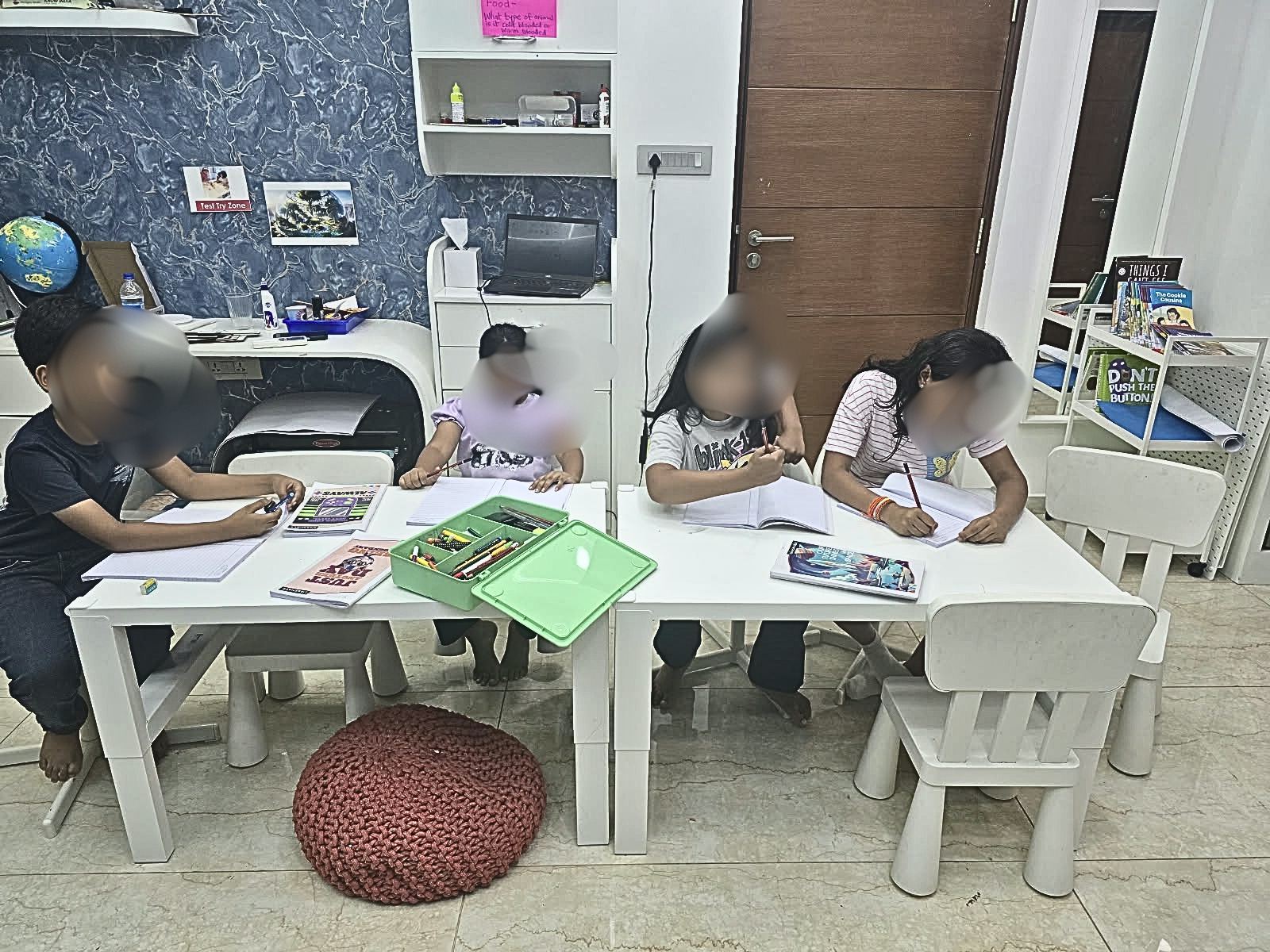
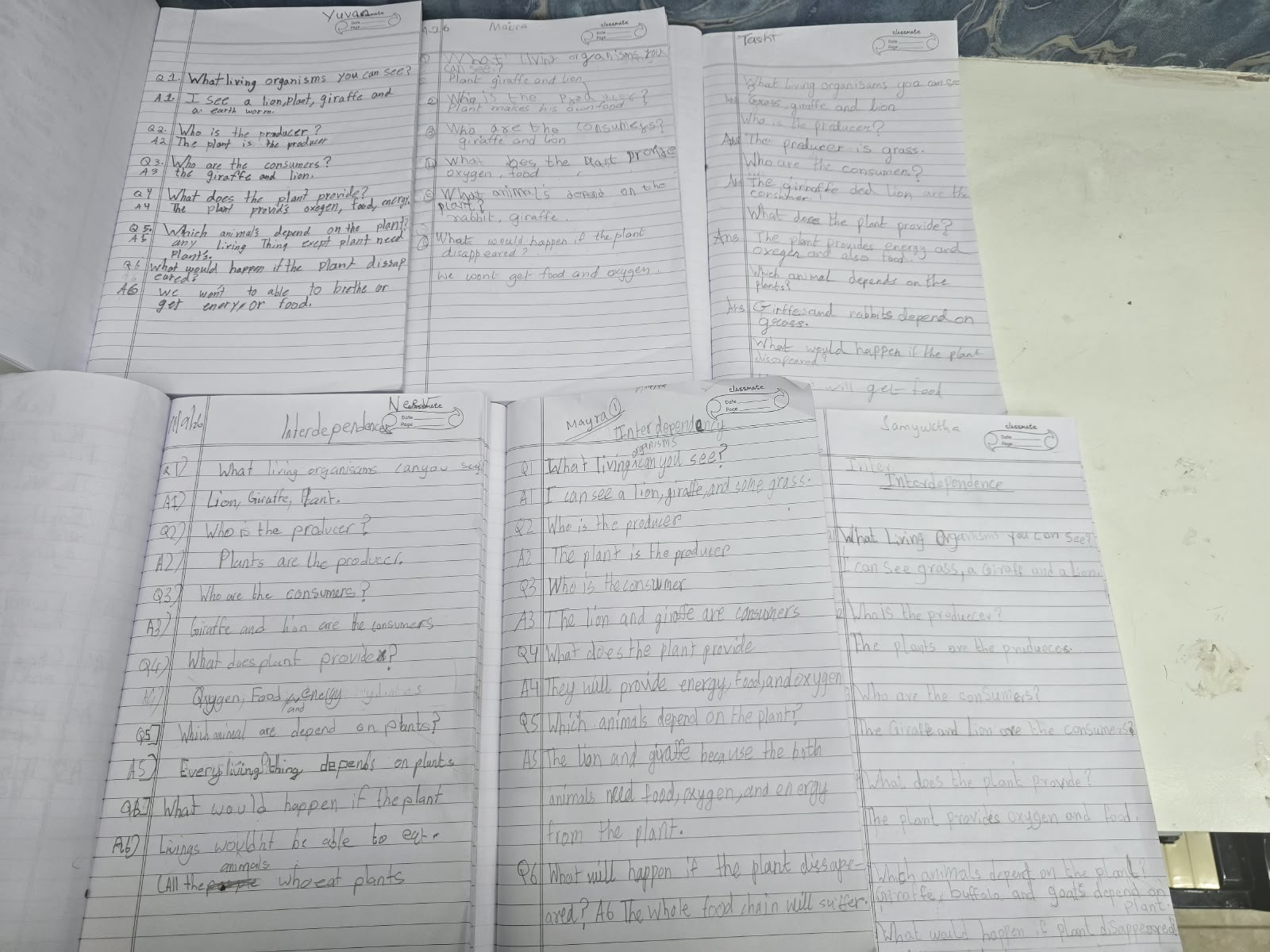
Today, the children revisited the food web and recalled what they had learned earlier. They identified the plant as the producer and animals such as the giraffe and lion as consumers. They understood that plants provide food, energy, and oxygen and that animals depend on plants to survive.
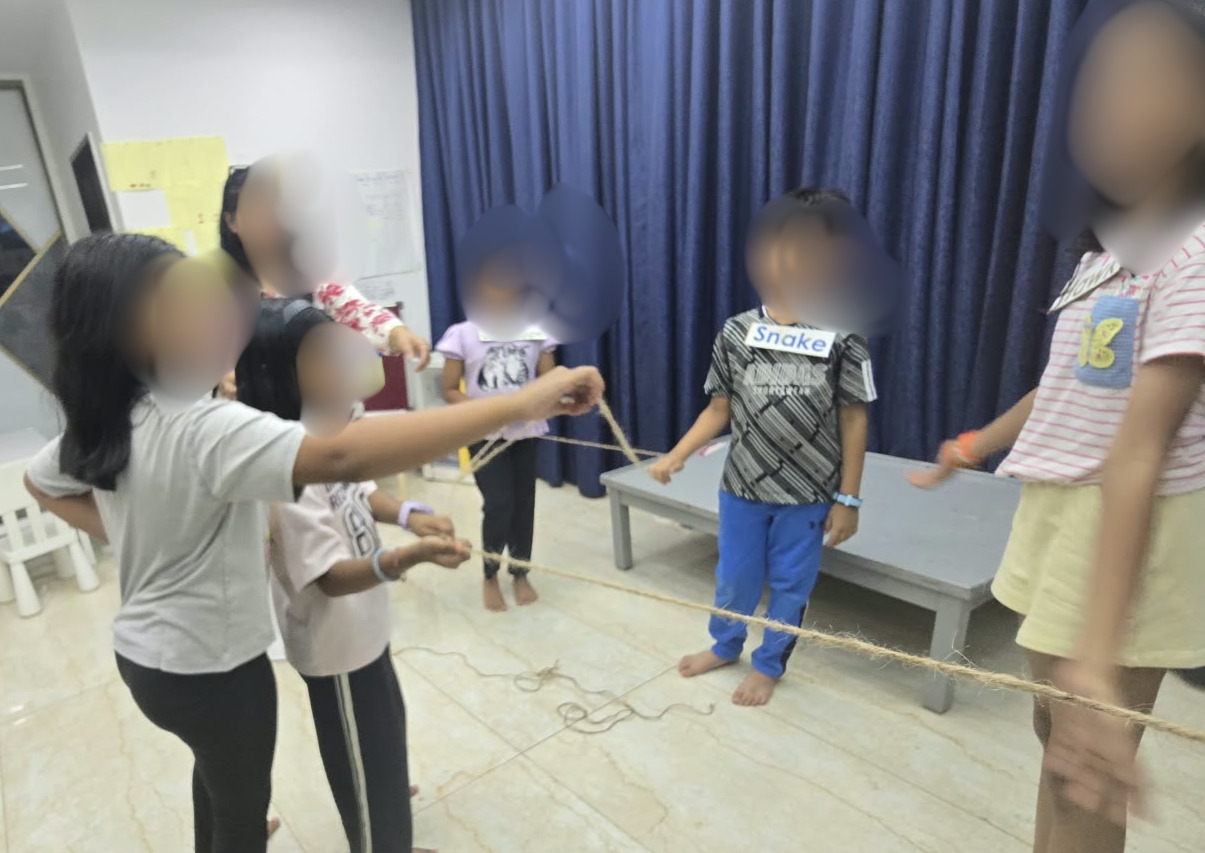
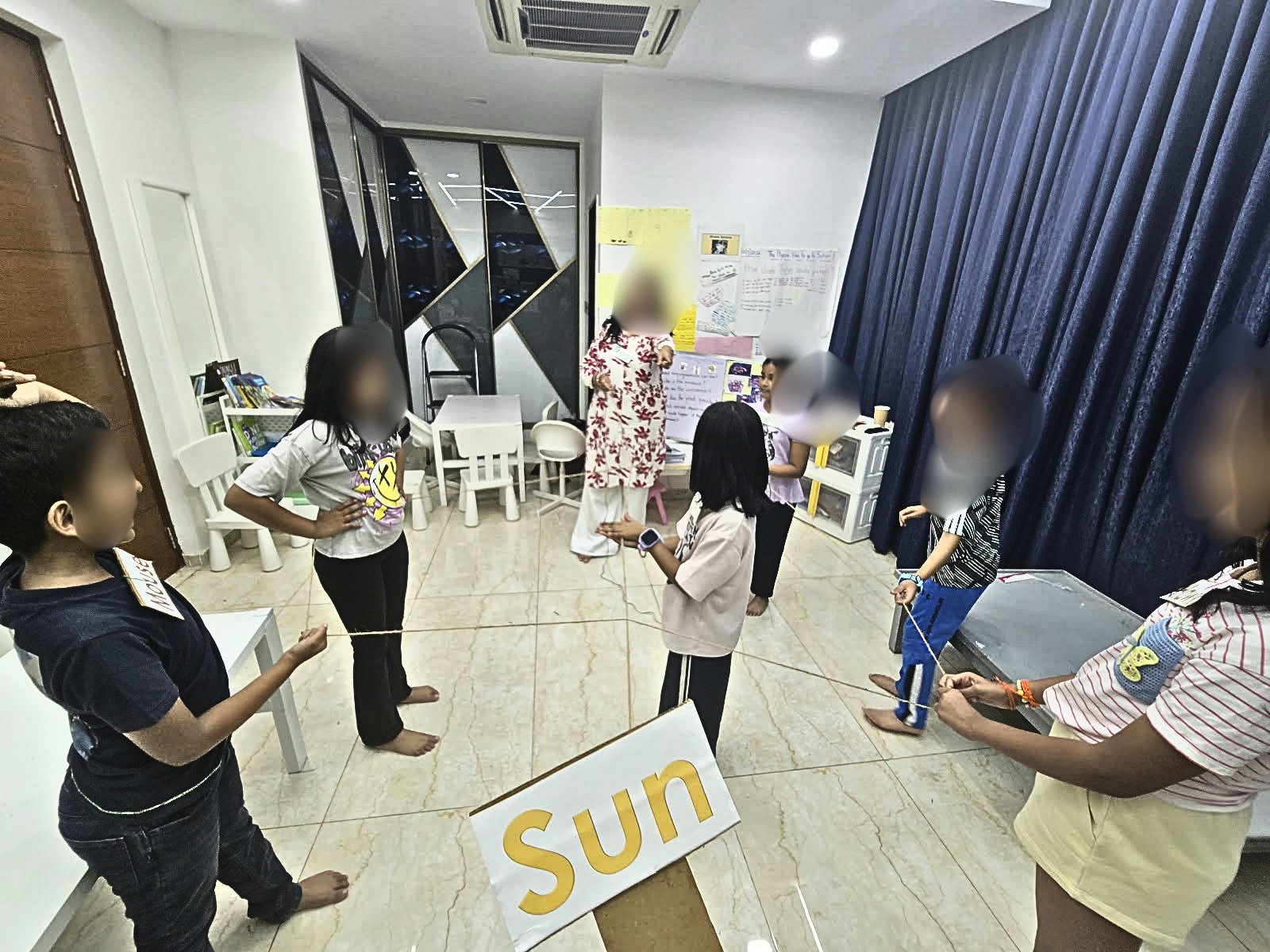
The children then took part in a Human Food Web Game. Each child became an organism and stood in a circle. They used yarn to connect the organisms and showed who eats whom. This helped them see that all living things are connected.
The children also observed what happened when one organism was removed from the food web. They understood that if one living thing disappears, it can affect other living things in the food web.
The activity helped the children understand food webs, connections, and interdependence in a fun and hands-on way. They participated actively, answered questions, and shared their ideas with the group.
Maira – 6 years old
Yuvan – 7 years 11 months old
Tashi, Neev & Mayra – 8 years old
Samyuktha – 8 years 5 months old
And Finally…
Dear reader,
My work in education includes designing learning ecosystems where students thrive, teachers grow, and schools build lasting cultures of excellence through innovative curriculum, evidence-based practice, and meaningful educational leadership.
Professional development with Ms Niv : Click below to find the teacher and student workshops and trainings I currently offer:
https://docs.google.com/presentation/d/1ypWO8KpVh56vhYqAMH4XoytLRKMXvwpCAfv3l3fryJQ/edit?usp=sharing
3-2-1 Tuesdays with Ms. Niv is a newsletter you can subscribe to and enjoy your learning journey with me.