Nivedita Mukerjee
Education consultancy for parents and schools
3-2-1 Tuesdays with Ms Niv
Issue #327, 6th October 2026
Do my students/children feel they can make mistakes, ask questions, and be themselves?
Are my students/children becoming more curious, confident, and independent?
Am I adapting my approach rather than expecting every student/child to learn the same way?
A good teacher and/or a good parent doesn’t have to get everything right. The real question is whether the child is growing because of the relationship and environment we create.
This is a free newsletter for parents, educators, and students. If you like my content, please subscribe by entering your email address here.
Three Images of the Week
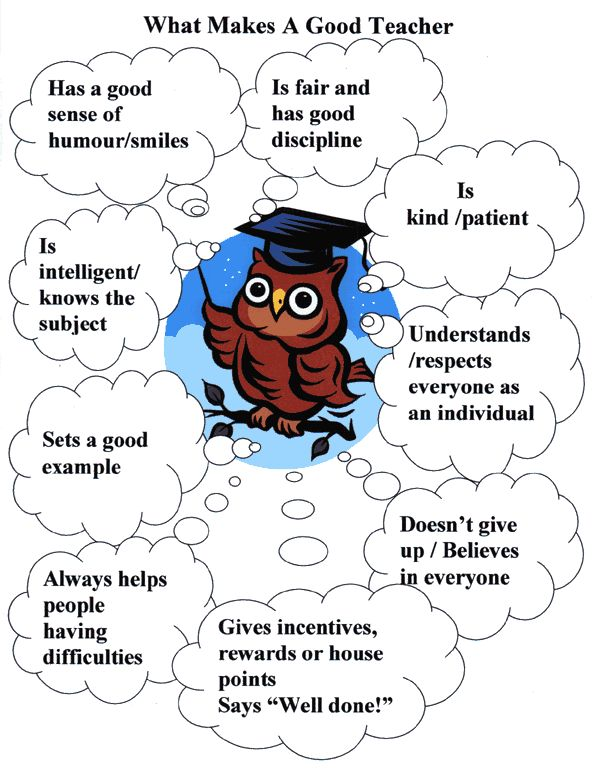
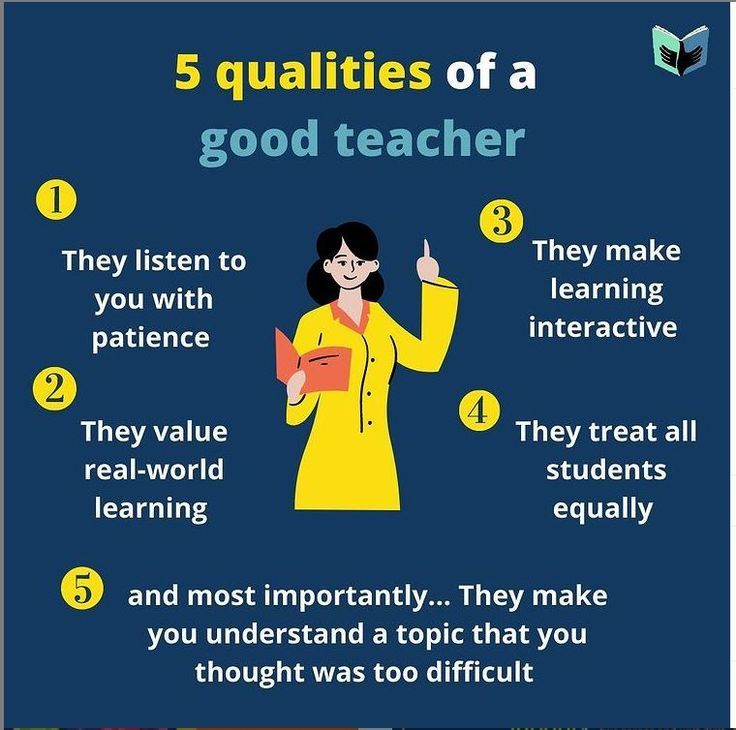
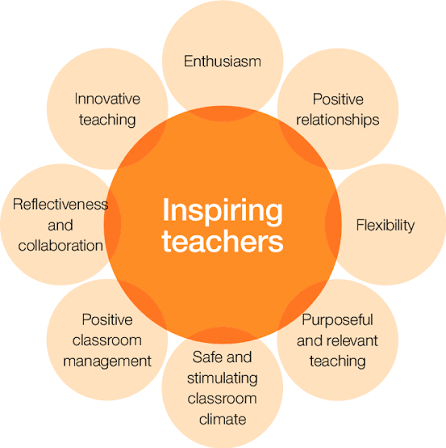
Two Thoughts of the Week
“Better than a thousand days of diligent study is one day with a great teacher.” – Japanese proverb
“One book, one pen, one child, and one teacher can change the world.” – Malala Yousafzai.
One Video of the Week
I’ve been asking the question: What makes a good teacher great? for 24 years. I have collected 26,000 responses from 8 different schools and patterns have emerged.
For the last 24 years, he has repeatedly asked students the same question, “What makes a good teacher great?” Azul Terronez is the author of the best-selling book “The art of Apprenticeship” Azul has coached teachers and schools leaders around the world in Spain, Chile, Canada, India, United States and China and he is currently serves as a teacher coach at Shanghai American School.
Reading with Ms Meenu: Tip of the Week
Letting Teens Choose Their Books Could Make Them Want to Read More
One of the simplest ways to encourage teenagers to read may also be one of the most effective: let them choose what they read.
A recent experimental study examined whether having a choice of books affected people’s motivation to read. Researchers found that participants who were given a choice reported greater reading enjoyment. Having a choice also increased how much value participants placed on books.
The finding supports something librarians and teachers have observed for years. A teenager who is required to read a particular novel may see reading as another assignment, while a teenager who discovers a mystery, graphic novel, biography, fantasy series, or sports book that matches their interests may approach reading very differently.
Research into adolescent reading motivation also suggests that teenagers read for many reasons. Some want to escape into another world, some want to learn something new, while others enjoy discussing books with friends.
This means there is no single “right” book for a young reader.
Libraries can play an especially important role because they allow teenagers to browse without having to purchase every book they try. A reader can experiment with different authors and genres until something connects.
Encouraging reading may therefore require fewer rules about what young people should read and more opportunities for them to discover what they actually want to read.
Happy Reading!
For more information, please visit: placealibrary.ca
Meenu Gera, Consulting Home and School Library Reading Guide
I Think, I Wonder, I Ask
–Dr. Shreelakshmi Subbaswami, Academic Director, Vijaya School, Hassan, Karnataka; https://vijayaschoolhsn.in/
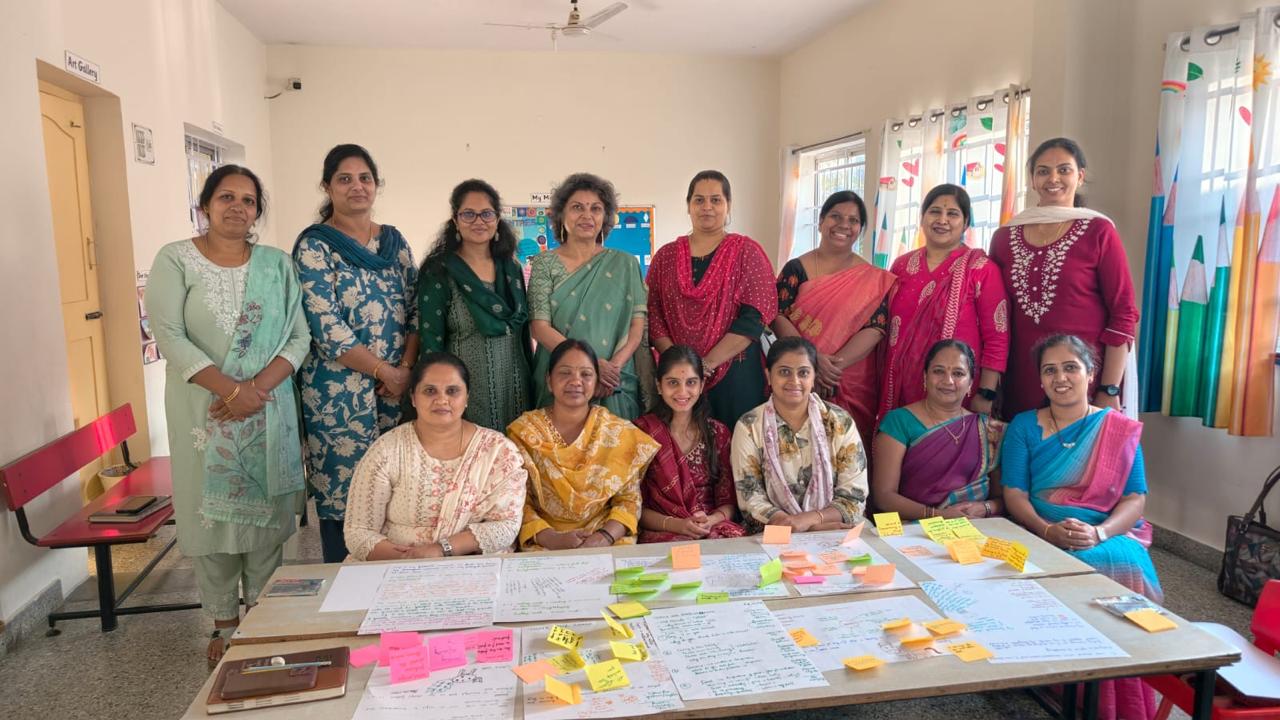
Beyond the Workshop: What Helps Teachers Implement?
How much of a professional development session is actually understood, retained, and translated into practice?
Have you experienced conducting a workshop, feeling that the discussion was meaningful, and then returning to classrooms a few weeks later, only to find little or no strand of the practice being implemented?
Have you wondered why this happens? Is it the relevance of the session? The teacher’s belief system? The ability to see where a new strategy fits into existing practice? Lack of confidence or skill? Inertia? Or simply the absence of follow-up?
I have heard school leaders and principals express a similar concerns- despite investing in several professional development sessions with experts, they often do not see the expected change in classroom practice. I have realised that professional development is not ‘a session’ but a process of learning and implementation.
Relevance is one starting point. When PD emerges from a genuine need identified within the team, teachers are more likely to connect new ideas with their existing experiences. A generic, top-down session may provide information, but a need-based session creates a reason to learn. But relevance alone is not enough. Teachers need opportunities to practise, observe, reflect and receive feedback. A short follow-up after the workshop, classroom observation, reflection on what was attempted, and discussion of the challenges can help reconnect practice with the original learning.
And of course, we cannot expect teachers to transform everything at once. In a year, we can only transform a handful of practices and develop them deeply.
Three questions for you…
- How can we identify the specific skills teachers need before designing a PD?
- What parameters in a professional development programme can help teachers retain and translate learning into practice?
- Which skills would you prioritize for professional development that have the greatest impact and can be translated into classroom practice immediately?
Showcase
Thrive, A STEAM project for young learners https://thrivesteam.com/
Facilitator: Pooja Kattar
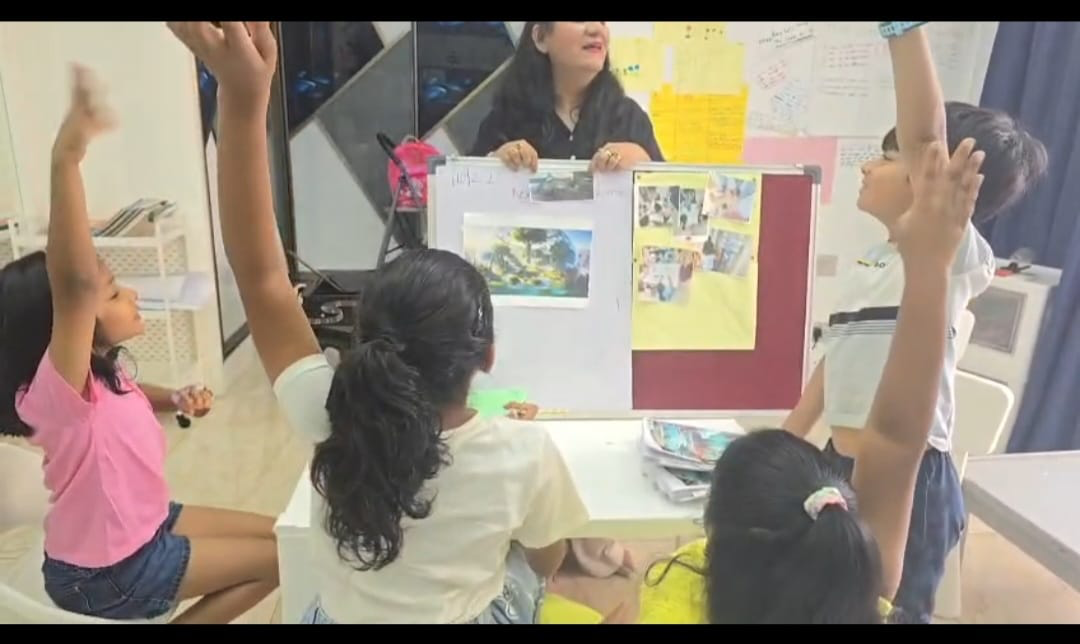
Reviewing the understanding of Biodome: The Thrivers began the workshop by looking at photographs from their previous biodome activities. They recognised their earlier work, including the biodome, soil activities and water cycle model, and shared what they remembered about each activity.
When the water cycle model was shown, the children were asked how it was connected to the biodome. They explained that water was an important part of the biodome and connected the model to how water moved through the environment. They shared that water evaporated, formed clouds and came back as rain, providing water for the plants and other living things in the biodome.
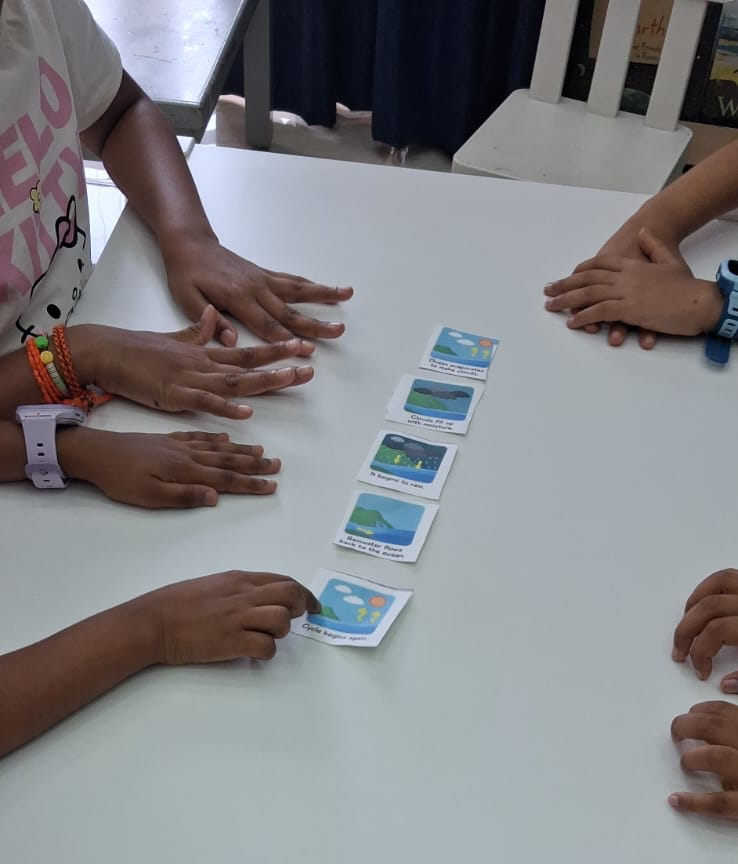
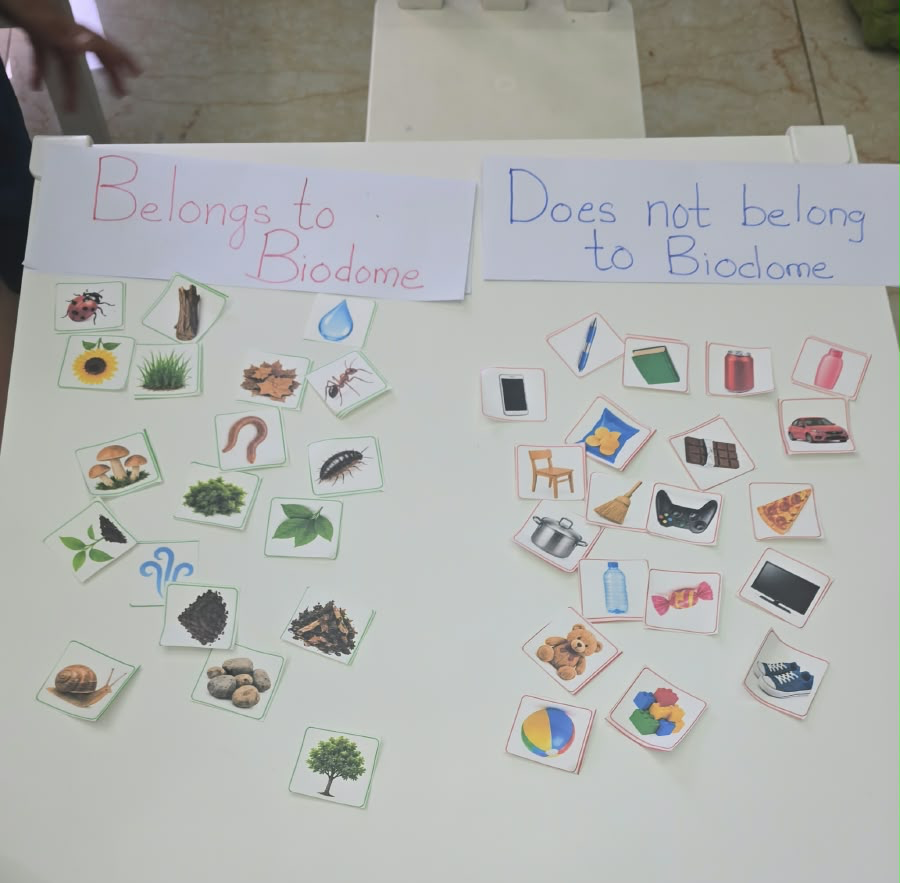
The children then sorted photographs into “Belongs to a Biodome” and “Does Not Belong to a Biodome.” They identified natural elements such as plants, insects, soil, rocks and water and separated them from human-made objects. They also identified different habitats from clues and arranged the stages of the water cycle in the correct order.
The activities helped the children recall their previous experiences and make connections between the water cycle and the biodome as a small ecosystem.
And Finally…

Dear reader,
My work in education includes designing learning ecosystems where students thrive, teachers grow, and schools build lasting cultures of excellence through innovative curriculum, evidence-based practice, and meaningful educational leadership.
Professional development with Ms Niv : Click below to find the teacher and student workshops and trainings I currently offer:
https://docs.google.com/presentation/d/1ypWO8KpVh56vhYqAMH4XoytLRKMXvwpCAfv3l3fryJQ/edit?usp=sharing
3-2-1 Tuesdays with Ms. Niv is a newsletter you can subscribe to and enjoy your learning journey with me.



Loved this article! Manju Sethi Senior Educational Consultant VIDYA India 9810255287 http://www.vidya-india.org Educate. Empower. Transform.
LikeLike