Nivedita Mukerjee
Education consultancy for parents and schools
3-2-1 Tuesdays with Ms Niv
Issue #328, 13th October 2026
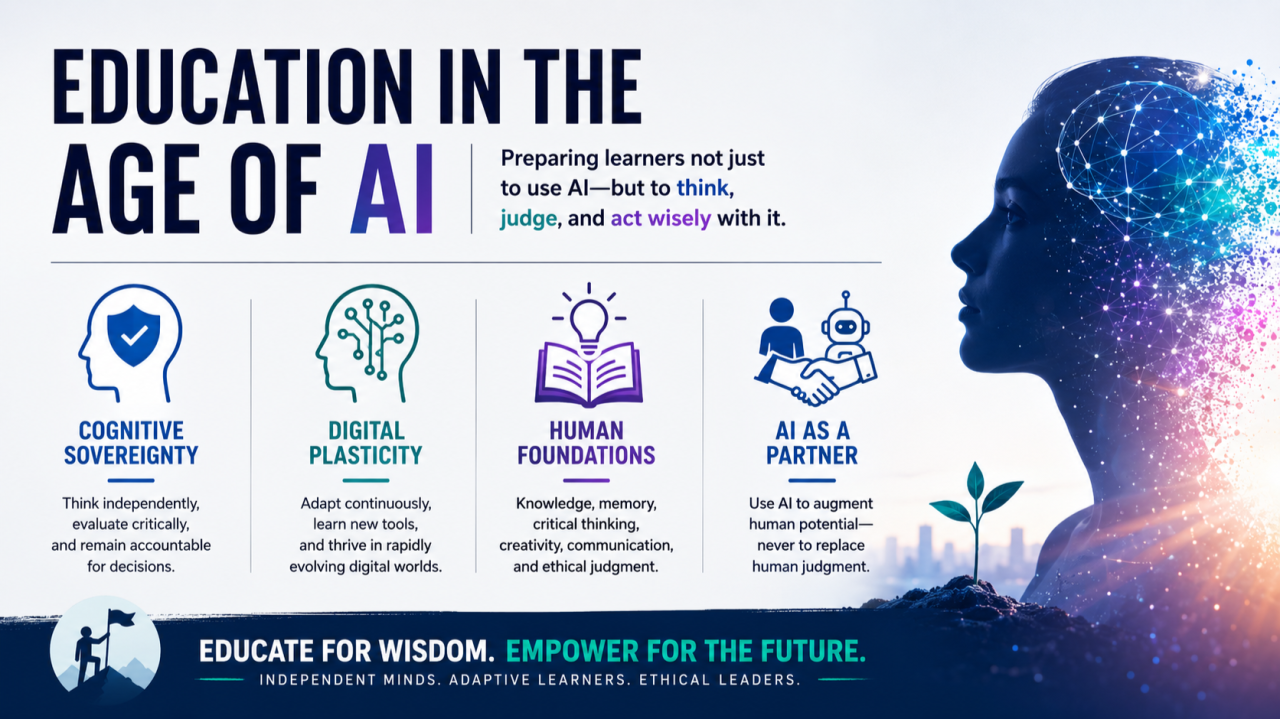
Do my students question the answers or just collect them? Could my students explain their ideas in their own words to a real person without a screen? Am I, as a teacher, rewarding the thinking process or only the polished final product?
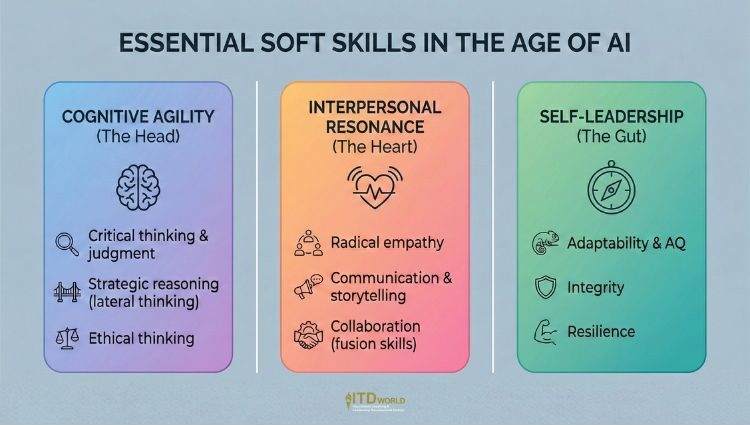
Soft skills worth teaching at the age of AI are critical thinking, curiosity, empathy, communication, adaptability and ethical judgement. AI can mimic these but not originate or own.
Is our answer to any of these is “don’t know for sure” then we can start working on it now in right earnest. Syllabus and curriculum irrespective. What do you say?
This is a free newsletter for parents, educators, and students. If you like my content, please subscribe by entering your email address here.
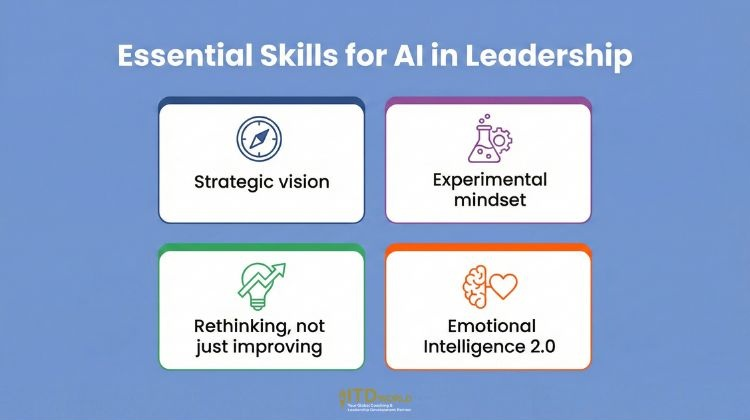
Three Images of the Week
Two Thoughts of the Week
“The skills setting people apart today are not just technical, but human qualities such as creativity, curiosity, and adaptability.” — AI Strategist Saba
“In the next 30 years, artificial intelligence will outpace human knowledge… Companies will be looking for students with expertise in data analytics since this skill requires independent thinking.” — Jack Ma (Founder of Alibaba)
One Video of the Week
Douglas talks about the research on top students learning habits
Douglas is the founder and Global Chairman of Elevate Education. Douglas and Elevate has spent the last 13 years benchmarking the practices of the highest performing students in order to identify exactly what drives student performance. Today, Elevate works with over 1200 schools across Australia, the UK, South Africa and the US in order to raise student and school performance. Douglas has been profiled in a series of books on Australia’s top and emerging leaders.
Douglas on Elevate Education’i looja. Douglas ja Elevate on viimased 13 aastat uurinud heade tulemustega õpilaste harjumusi, et mõista, mis on nende edu võti. Täna töötab Elevate enam kui 1200 kooliga üle terve Austraalia, Suurbritannia, Lõuna-Aafrika Vabariigi ja Ameerika Ühendriikide, et tõsta õpilaste ja koolide taset. Douglast on mainitud ka Austraalia tõusvaid juhte tutvustavas kogumikus.
Reading with Ms Meenu: Tip of the Week
Reading and Teen Wellbeing: What Does the Research Say?
Many young people describe reading as a way to relax, escape stress and spend quiet time away from everyday pressures.
Research on adolescent reading supports the idea that books can support wellbeing, although reading should not replace professional mental-health care.
Interviews with teenagers have found that adolescents often describe reading as relaxing and immersive, and as a way to temporarily escape the pressures around them.
Researchers have also studied bibliotherapy, which involves using carefully selected written materials as part of psychological or educational interventions.
A meta-analysis involving 979 children and adolescents found that bibliotherapy interventions were associated with reductions in symptoms of depression and anxiety compared with control conditions, with particularly promising evidence for adolescents experiencing depression. The researchers also cautioned that relatively few studies were available.
A more recent review similarly found promising results for bibliotherapy in adolescent depression but emphasized limitations including small studies, differences between interventions and questions about long-term effects.
For most young readers, the benefit may be much simpler.
Reading can provide quiet time, emotional distance, and a chance to see difficult experiences reflected in stories.
Sometimes a book allows a teenager to recognize that other people have struggled with similar feelings—without requiring them to explain those feelings first.
Happy Reading!
For more information, please visit: placealibrary.ca
Meenu Gera, Consulting Home and School Library Reading Guide
I Think, I Wonder, I Ask
–Dr. Shreelakshmi Subbaswami, Academic Director, Vijaya School, Hassan, Karnataka; https://vijayaschoolhsn.in/
Small Habits, Lasting Impact: Decluttering and Organizing Our Learning Spaces
How often do we declutter our spaces- our work station, rooms, homes and classrooms?
Walk into a classroom and look around. Are resources lying around without labels? Do materials keep appearing in different places every day? Can children independently find what they need and return it to its place? These small observations tell us a great deal about how well a space is organised.
Decluttering and organising are often treated as housekeeping tasks, something to attend to when we have time. However, the physical space we operate in has a direct influence on our emotional and psychological space. An organised environment reduces unnecessary distractions, makes resources accessible and creates a sense of calm and readiness to learn.
In classrooms, this becomes even more important. When resources are categorised, labelled and stored in designated places, children begin to navigate their environment independently. They learn to make choices, take responsibility for the materials they use and return them after use. Without explicitly teaching these skills, we are creating opportunities for children to develop agency, self-management and respect for shared spaces. Yet, in most schools, organising resources is rarely seen as a pedagogical priority. It is a low-threshold, high-impact task that can transform the everyday classroom experience without requiring significant investment.
This festive season, how about making a conscious effort to declutter our classrooms, label resources and establish simple routines to maintain order and create a positive energy in the space? More importantly, let us involve children in the process. It is a valuable life skill through which they learn to take ownership of their environment and develop independence and responsibility as part of their everyday habits.
Three questions for you…
- What organisational habits are we implicitly teaching children through the way we do our classrooms?
- How can we involve children in decluttering and organising resources so that they develop ownership and responsibility for their environment?
- What is one simple, sustainable change we can introduce this week to make our classroom more organised, accessible and conducive to learning?
And Finally…
Dear reader,
My work in education includes designing learning ecosystems where students thrive, teachers grow, and schools build lasting cultures of excellence through innovative curriculum, evidence-based practice, and meaningful educational leadership.
Professional development with Ms Niv : Click below to find the teacher and student workshops and trainings I currently offer:
https://docs.google.com/presentation/d/1ypWO8KpVh56vhYqAMH4XoytLRKMXvwpCAfv3l3fryJQ/edit?usp=sharing
3-2-1 Tuesdays with Ms. Niv is a newsletter you can subscribe to and enjoy your learning journey with me.