Nivedita Mukerjee
Education consultancy for parents and schools
3-2-1 Tuesdays with Ms Niv
Issue #329, 20th October 2026
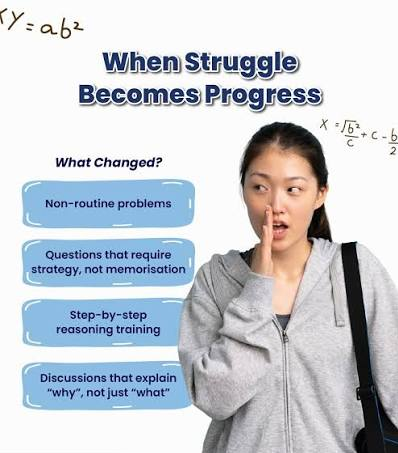
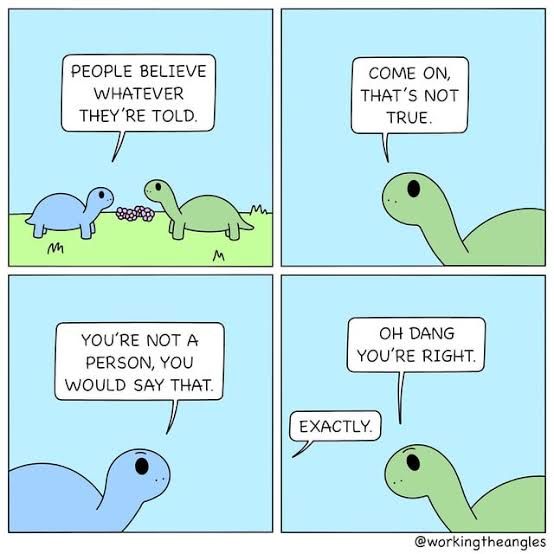
Is my child/student learning the skills of skepticism, analysis, negotiation, argumentation, strategising, and contextualisation while predicting, checking assumptions, and being able to come up with unbiased reasoning? Am I providing enough opportunities for learning these skills in classroom and home environments? How can we bring our teachers’, parents ‘, and education policy makers’ focus on these? What can we do right now in our own schools and homes?
This is a free newsletter for parents, educators, and students. If you like my content, please subscribe by entering your email address here.
Three Images of the Week
Two Thoughts of the Week
“We learn more by looking for the answer to a question and not finding it than we do from learning the answer itself.”
— Lloyd Alexander
“It’s not that I’m so smart, it’s just that I stay with problems longer.”
— Albert Einstein
One Video of the Week
4 tips for developing critical thinking skills | Steve Pearlman, Ph.D. | TEDxCapeMay
“Critical thinking” increasingly stands as the most sought-after skill that has long been too fleeting to define. Employers rate it as a pinnacle skill, but one of which they see too little, and educators claim to teach it, but over half of Millennials recently failed a simple Mindedge critical thinking test. So, what is critical thinking? Analysis? Information literacy? Thinking outside the box? Informal logic? Problem-solving? Evaluating data? Decision science? What if all of our efforts to define critical thinking as above have been the core problem with teaching it?
What if, instead of using our brains to devise conceptions of critical thinking, we eliminated the noise and revolutionized a way to teach people how to think better by tracing critical thinking back to its core evolutionary survival mechanisms?
With over 35-years of experience in higher education, Steve founded the first academic office in higher education with a specialized focus on critical thinking. Author of America’s Critical Thinking Crisis, he has been featured on NPR, Fox News Radio, The Chronicle of Higher Education, The Atlanta Journal Constitution, CBS Atlanta, The Hill, and a plethora of podcasts. Steve founded The Critical Thinking Institute and is a keynote speaker on critical thinking for businesses, universities, conferences, and the U.S. military. With over 40-years of experience, Steve is also a sought-after martial arts instructor for his unique theoretical approach to training. Most of all, he’s a devoted father, an endeavor which stretches his own critical thinking most of all.
Reading with Ms Meenu: Tip of the Week
Why Young Adult Literature Matters
Young Adult literature is sometimes dismissed as simply an easier version of adult fiction. In reality, the genre often deals directly with one of adolescence’s central challenges: figuring out who you are.
YA novels frequently explore independence, friendship, family expectations, relationships, identity, belonging, responsibility and the transition toward adulthood.
Research examining commonly taught YA novels found that adolescent characters were often portrayed demonstrating independence, emotional discipline and adult-like responsibility. Researchers suggested that these books can challenge simplistic stereotypes of teenagers and provide opportunities for students to critically discuss how society views young people.
Another recent study asked secondary students themselves how they viewed representation in YA literature. Students described books as functioning like “mirrors” that reflected familiar experiences, “windows” into the lives of others and opportunities to imagine experiences different from their own.
That helps explain why representation in books matters.
Teenagers are at a stage when they are developing their values, relationships and sense of identity. Literature can give them a relatively safe space to explore difficult questions through fictional characters before encountering similar choices themselves.
A powerful YA novel does not tell teenagers who they should become.
Instead, it gives them another perspective from which to think about who they might become.
Happy Reading!
For more information, please visit: placealibrary.ca
Meenu Gera, Consulting Home and School Library Reading Guide
I Think, I Wonder, I Ask
–Dr. Shreelakshmi Subbaswami, Academic Director, Vijaya School, Hassan, Karnataka; https://vijayaschoolhsn.in/
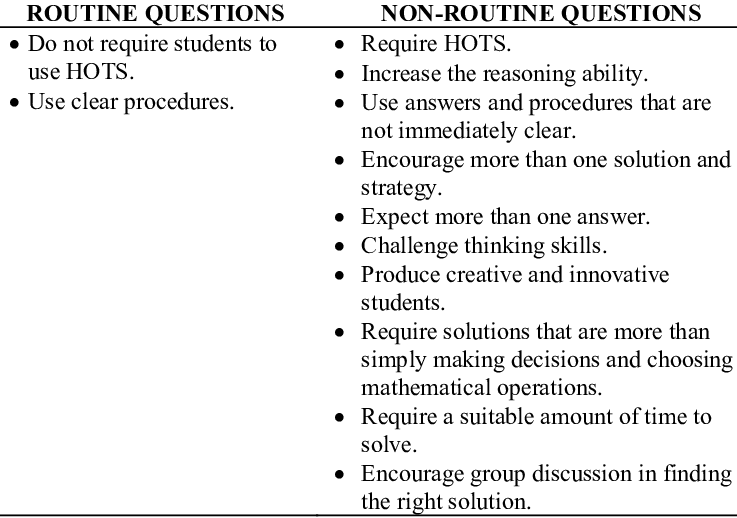
Possibilities of Non-Routine Learning
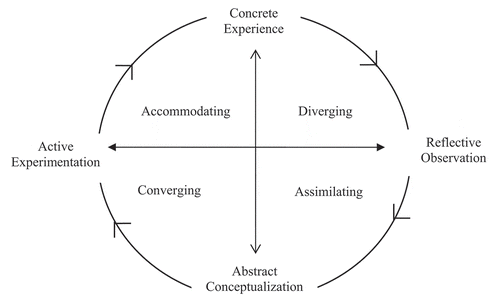
During the academic year, learning is often organised around specific learning outcomes, planned experiences, assignments and expected demonstrations of understanding. This structure is necessary, but learning need not always follow a predictable sequence. What if we reimagined vacations and holiday assignments as opportunities to learn beyond the routine?
Our homes and communities offer rich possibilities for non-routine learning. For instance, during Dussehra vacation, children can help make a torana, create rangoli patterns, arrange flowers, participate in festival preparations, assist with cooking or planning a trip. These experiences offer opportunities to explore mathematics through measurement, symmetry, patterns, proportions, map reading and time estimation. Literacy emerges when children read labels, follow recipes, write shopping lists, describe processes or ask questions about unfamiliar objects/places. Knowledge of the World develops as children investigate materials, tools, plants, places, occupations, cultural practices and the ways people live, work and celebrate.
However, if children only watch adults, follow instructions or imitate what they see, their participation may remain passive. The real learning begins when they have active conversations, make decisions, predict outcomes, solve problems, ask questions and reflect on what they discover. This is where I think, educators have an important role. Holiday engagements should not become another set of worksheets, instead, educators can offer parents thoughtful ideas, open-ended prompts and opportunities for children to participate meaningfully in everyday experiences.
Non-routine learning helps children use their knowledge and skills in unfamiliar contexts. The most valuable holiday assignment is not something a child completes independently on paper, but something they learn to notice, question, create and understand in the world around them.
Three questions for you…
- What are the top three activities you enjoy doing with your family/friends during vacations?
- What is one new experience you would like to try out/ introduce to your child during this vacation?
- In what ways can we move children from being passive observers of festivals and family traditions to active participants who ask questions, engage in conversations, and contribute to the planning and preparation?
And Finally…
Dear reader,
My work in education includes designing learning ecosystems where students thrive, teachers grow, and schools build lasting cultures of excellence through innovative curriculum, evidence-based practice, and meaningful educational leadership.
Professional development with Ms Niv: Click below to find the teacher and student workshops and trainings I currently offer:
https://docs.google.com/presentation/d/1ypWO8KpVh56vhYqAMH4XoytLRKMXvwpCAfv3l3fryJQ/edit?usp=sharing
3-2-1 Tuesdays with Ms. Niv is a newsletter you can subscribe to and enjoy your learning journey with me.